How catering can transform launches, summits, and client dinners into brand experiences
Corporate events are evolving.
The traditional formula—presentations, networking cocktails, and standard catering—is giving way to something far more intentional. Companies increasingly understand that in-person gatherings are not simply operational meetings; they are brand experiences.
As Freeman notes in From Expo to Experience, “today’s attendees have higher expectations for the in-person experience,” meaning planners must design environments that actively engage guests rather than simply host them.
While many elements contribute to that shift—design, storytelling, programming—one component plays a uniquely powerful role: the culinary experience.
Food Is No Longer a Background Element
For years, catering was treated as a logistical necessity: feed the guests, keep service moving, move on.
Today, food has become one of the most visible and memorable elements of any corporate event.
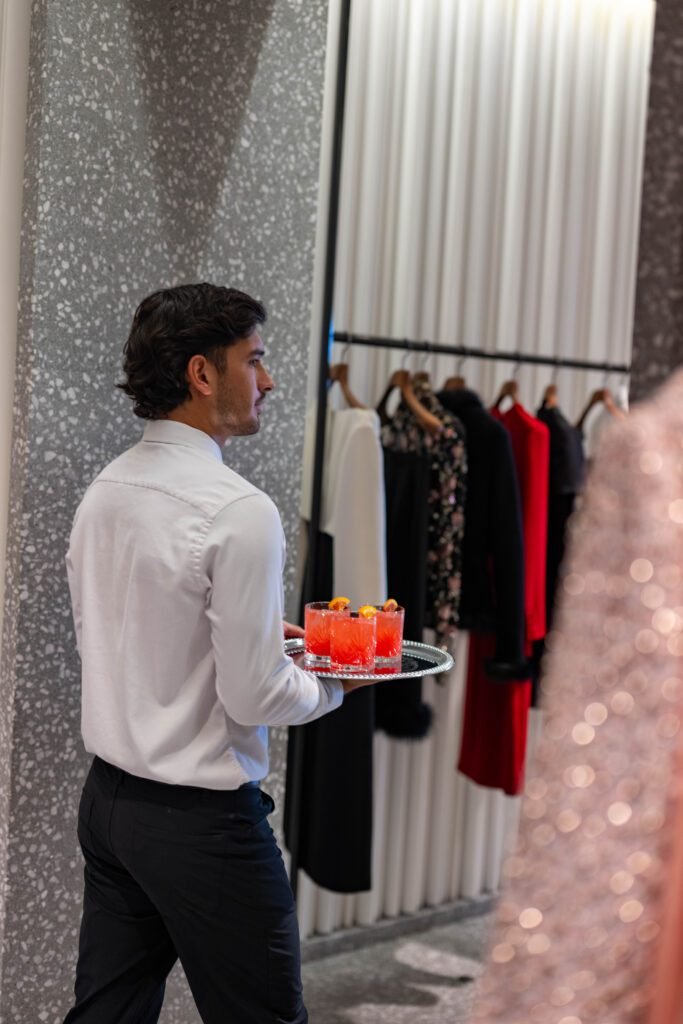
Guests photograph cocktails.
They gather around chef stations.
They share desserts and signature drinks on social media.
What used to be a supporting service has become a central part of the experience.
Culinary design now influences how guests interact, how they move through the space, and even how the event is remembered afterward.
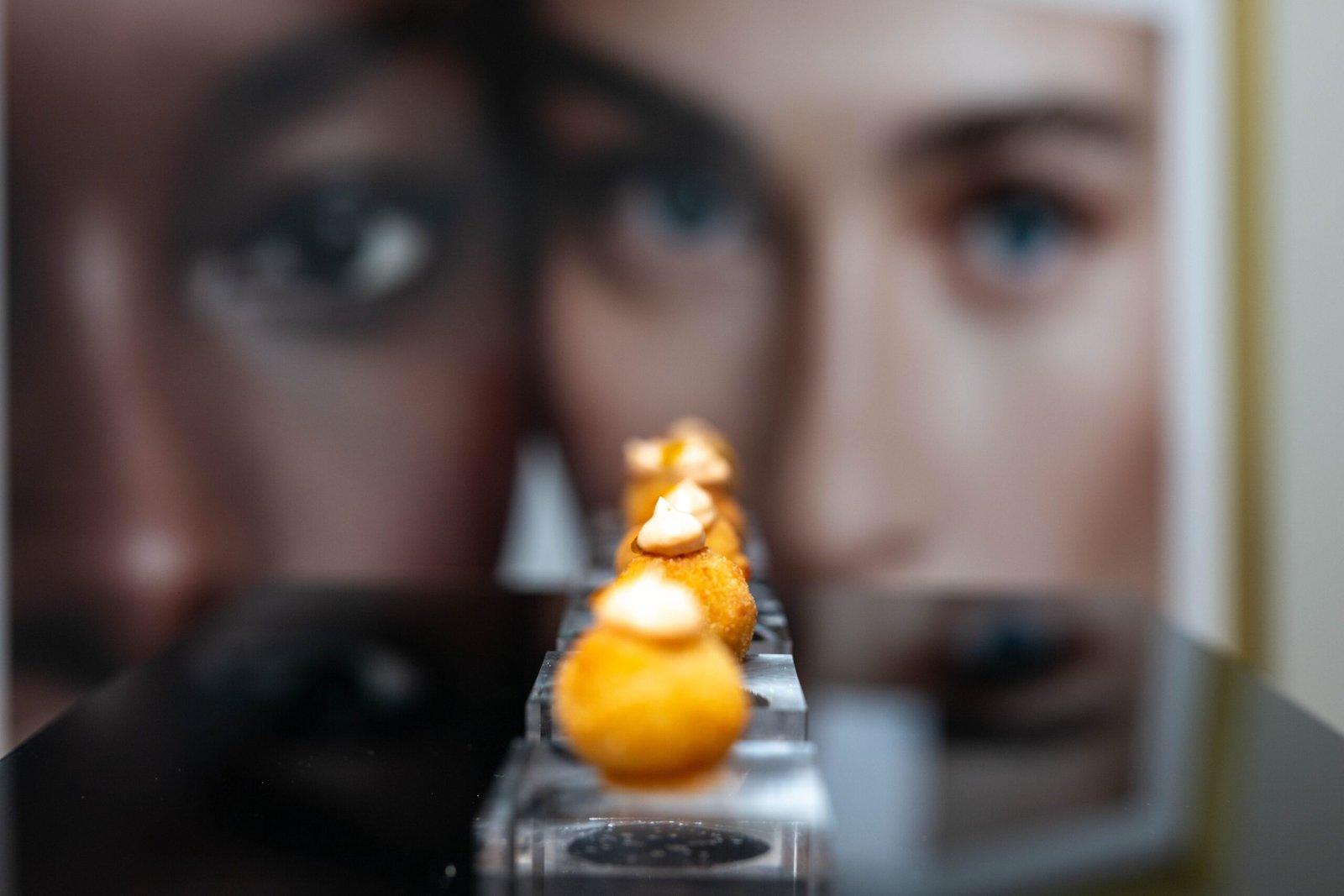
Catering as a Brand Expression
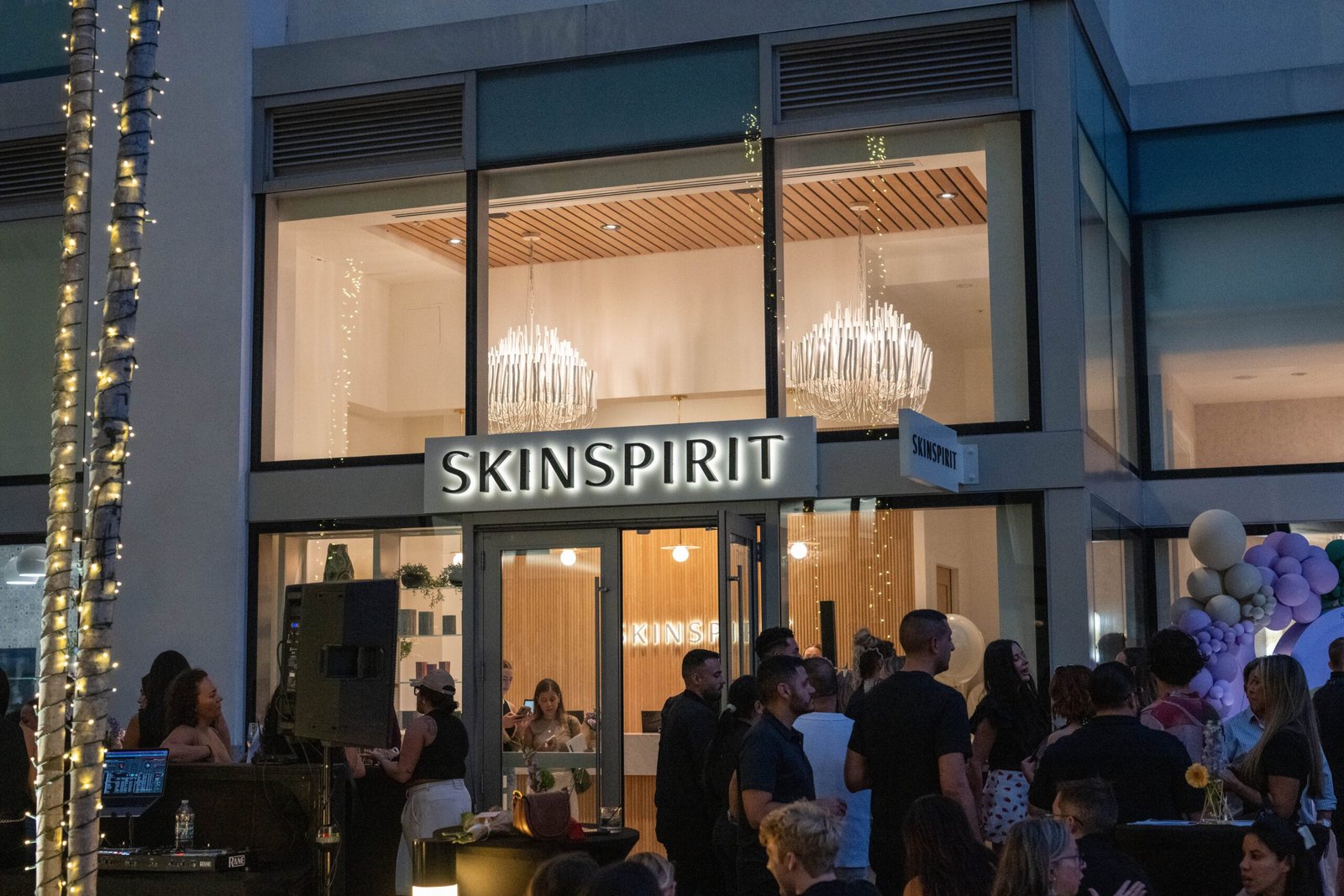
When thoughtfully designed, food and beverage can communicate the same brand personality that appears in visual design or messaging.
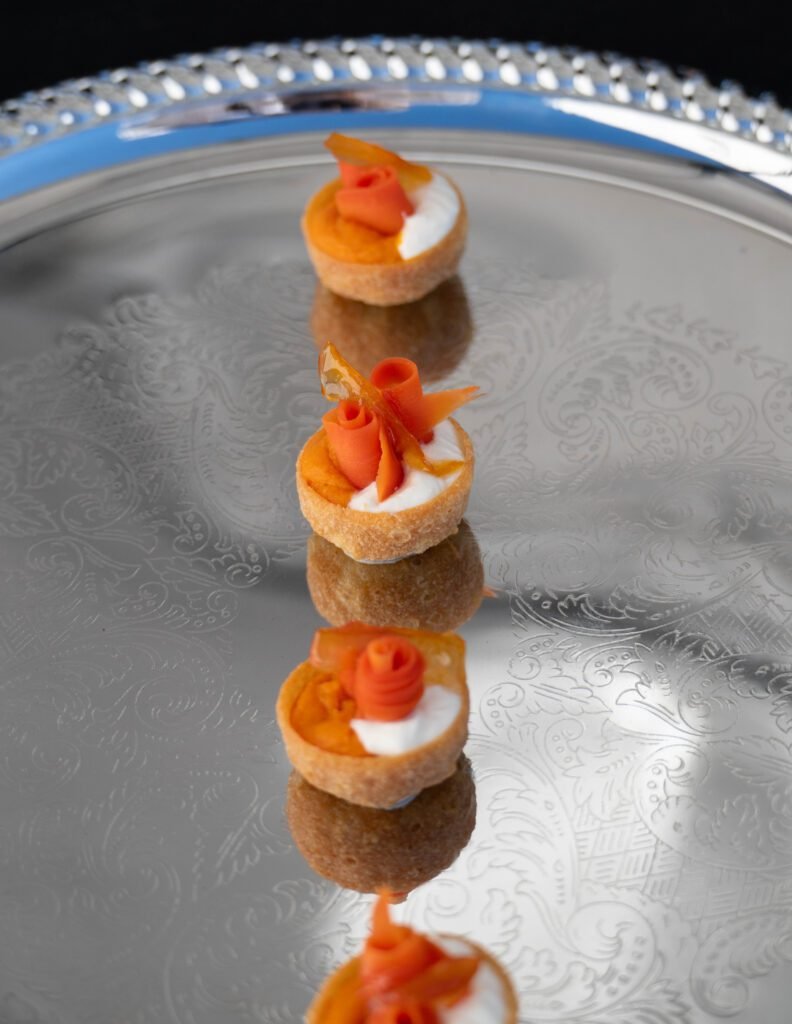
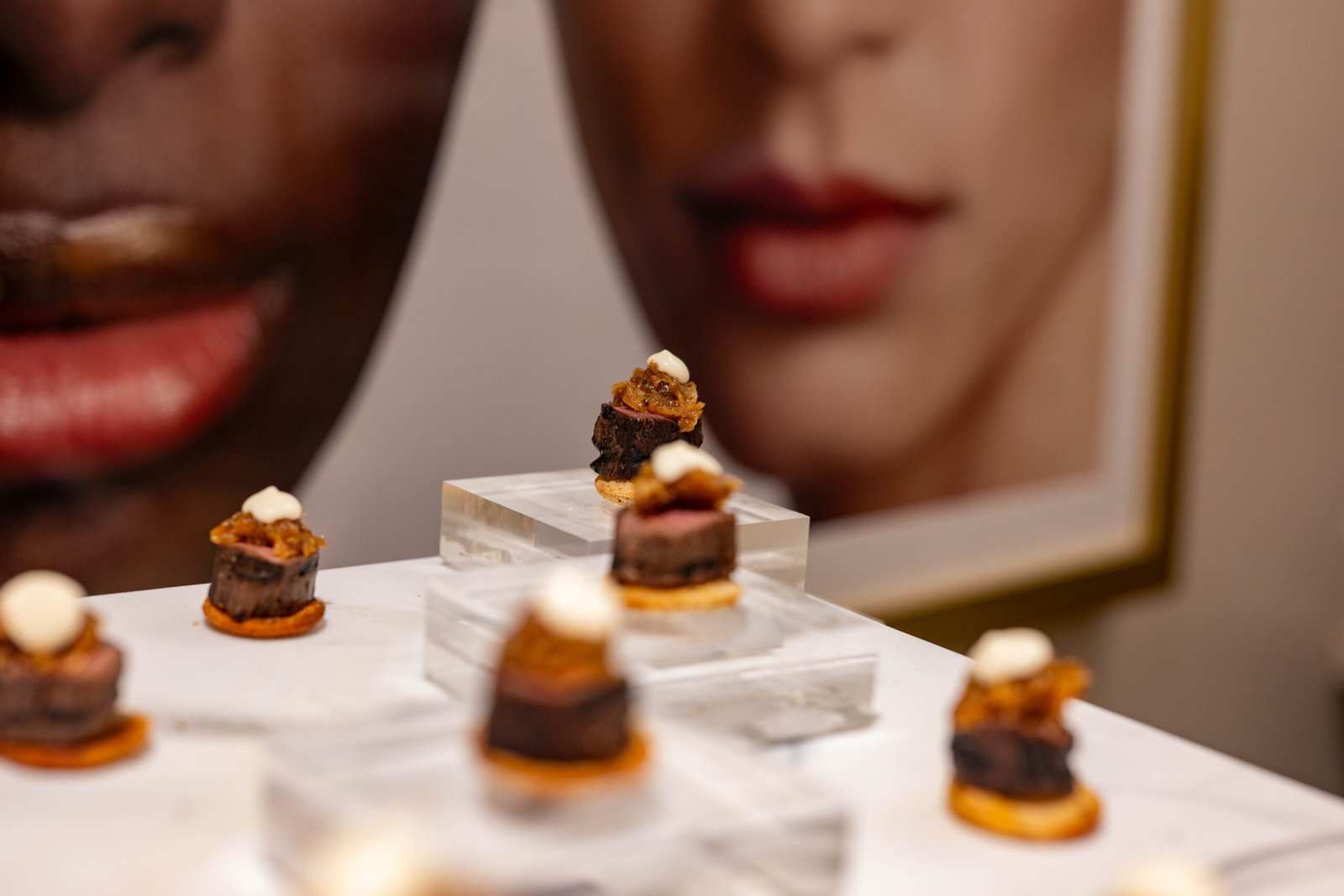
A refined tasting menu can reinforce a luxury brand’s attention to detail.
Signature cocktails can reflect product launches or campaign themes.
Interactive food stations can introduce energy and movement into networking moments.
In these cases, catering stops being a neutral service and becomes a brand storytelling tool.
Industry event designers increasingly emphasize this experiential role of hospitality. As one event planning guide notes, the most memorable gatherings are those where the brand appears “in every sip, every bite, and every guest interaction.”
When culinary elements reflect the tone and identity of the host company, the entire event feels more cohesive—and far less corporate.
Creating Moments That Guests Remember (and Share)
Food naturally creates moments of connection.
Guests linger longer around a beautifully designed station.
Signature cocktails spark conversation.
Unexpected culinary details often become the most talked-about parts of the evening.
Guests linger longer around a beautifully designed station.
Signature cocktails spark conversation.
Unexpected culinary details often become the most talked-about parts of the evening.
These moments also tend to become the most shared. A visually striking cocktail, an elegant dessert presentation, or a live chef experience often appears across attendees’ social feeds.
This organic sharing extends the event’s reach while reinforcing the brand environment in a way that feels authentic rather than promotional.
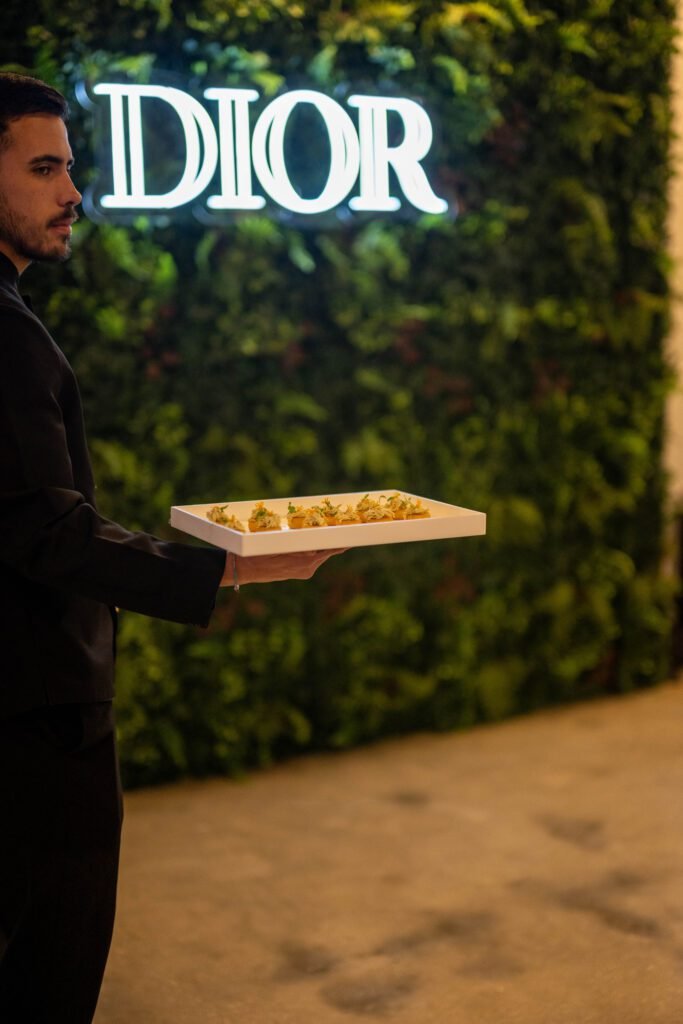
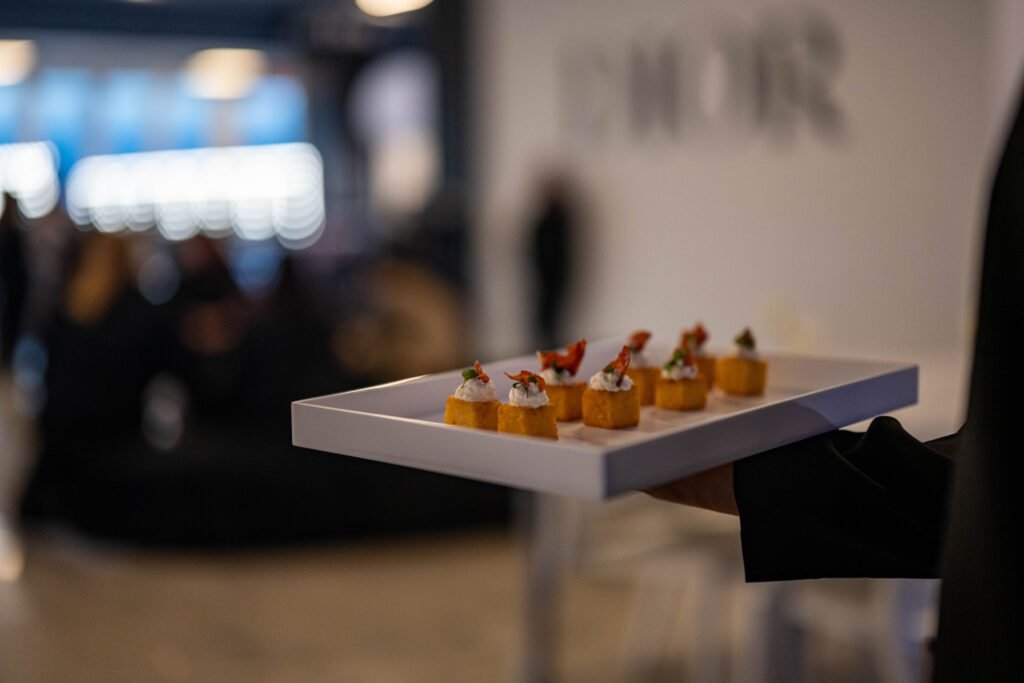
Precision Still Matters
Of course, culinary creativity alone is not enough.
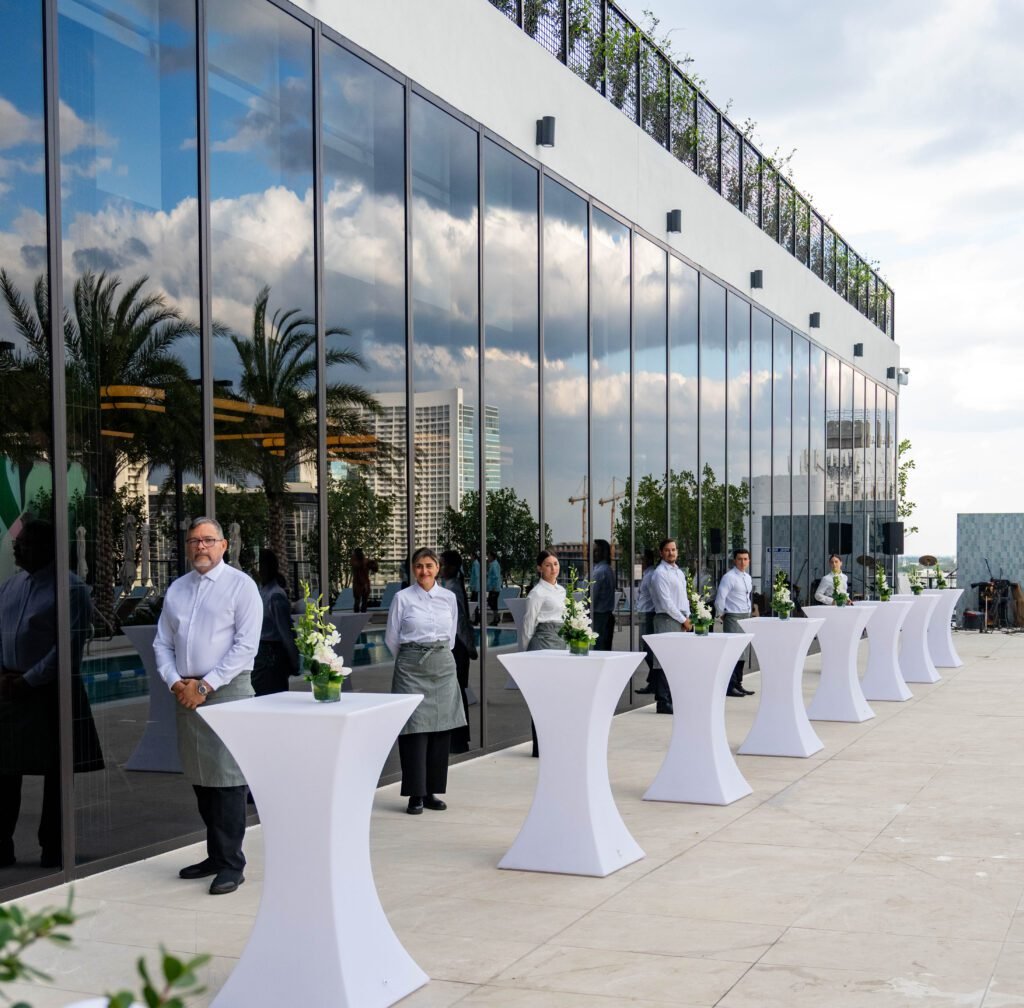
Corporate events—particularly product launches, leadership summits, and client dinners—often operate under tight timelines and complex logistics. Service must remain seamless even when guest counts exceed 80, 100, or more.
The most effective culinary experiences balance design and discipline: visually refined presentations supported by flawless execution.
Because when hospitality operates smoothly, guests focus on the experience—not the logistics behind it.
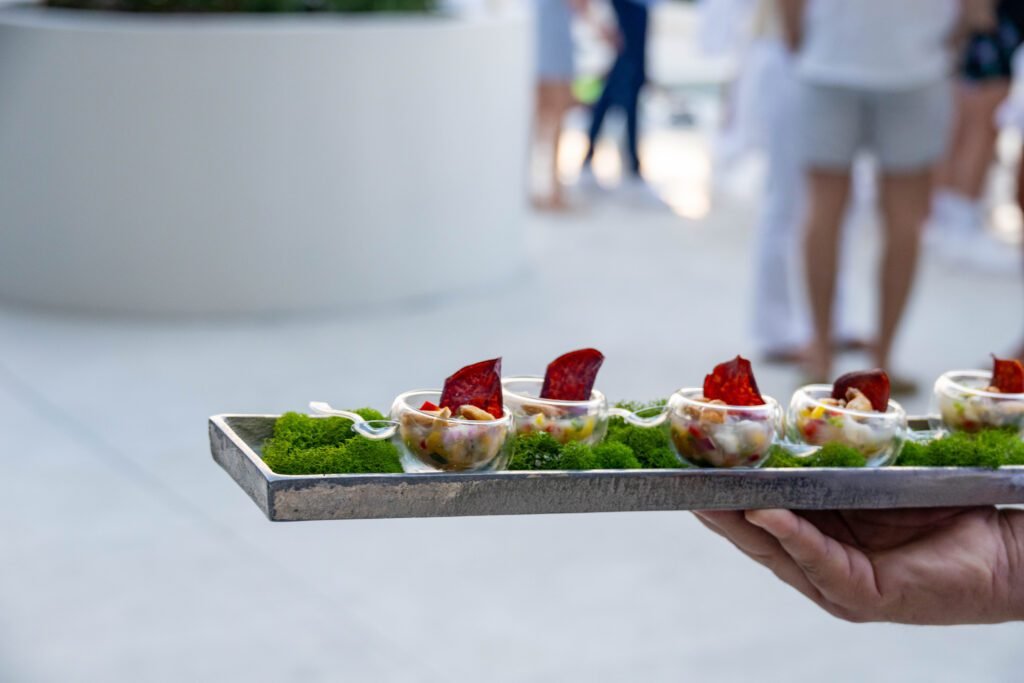
At Essence, we believe catering should be one of the most strategic elements of any corporate event.
Our curated menus, signature cocktails, and refined service are designed not only to deliver exceptional cuisine but also to contribute meaningfully to the atmosphere and narrative of the gathering.
Whether supporting a product launch, leadership summit, or client dinner, our goal is to create culinary experiences that feel intentional, elegant, and aligned with the brand hosting the event.
Today, the most successful corporate events don’t just inform or connect. They create moments people remember.
And more often than not, those moments begin at the table.