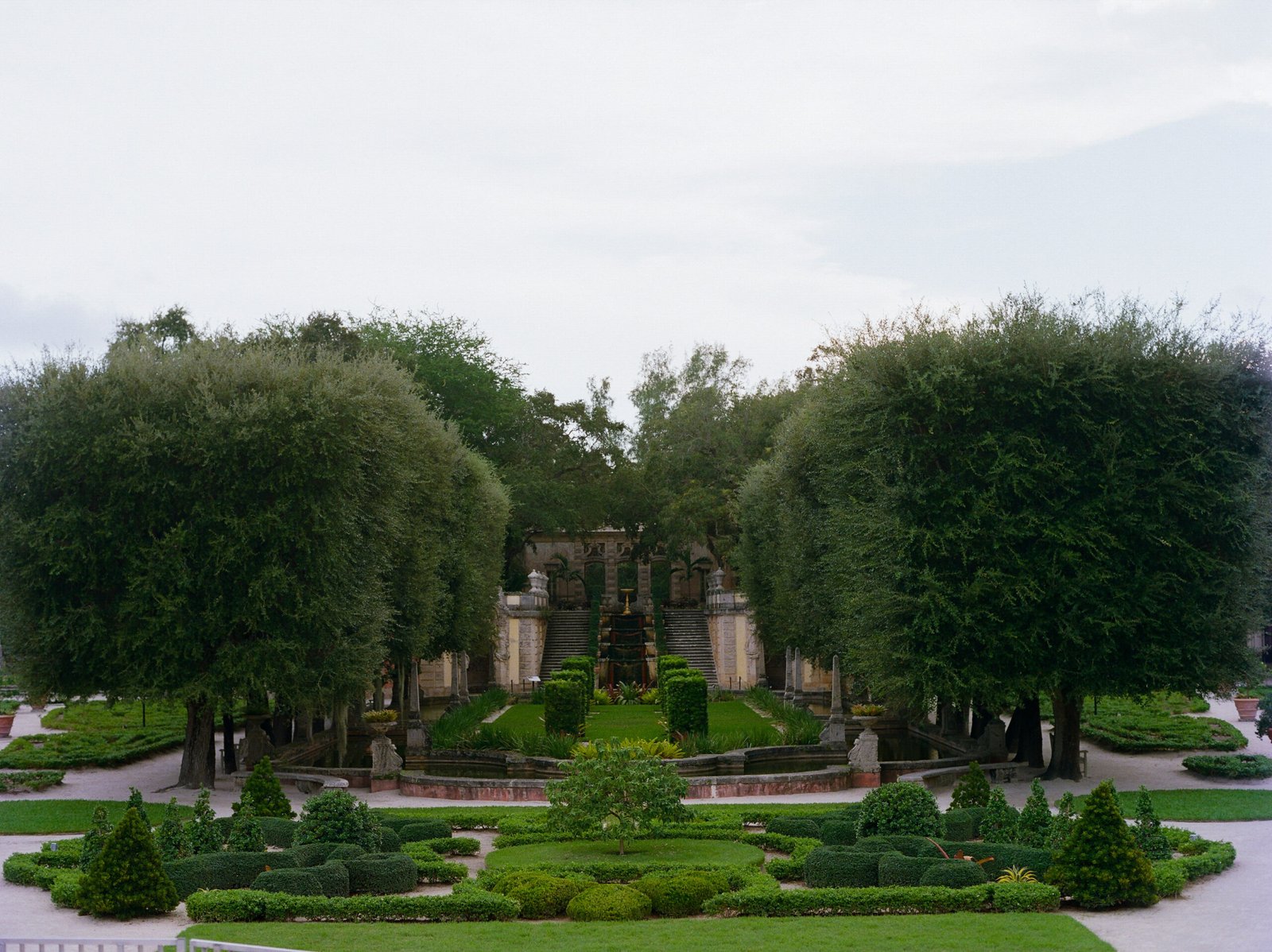
Something has shifted in how couples approach their weddings, not just in Miami but across the luxury market. Those of us who work within these celebrations can feel it in the conversations, the decisions, and the specific things couples are asking for, and perhaps more tellingly, in what they are no longer asking for. The era of the maximalist, everything-at-once wedding is giving way to something more considered. Today’s most memorable celebrations don’t feel like a collection of beautiful details; they feel like a complete world. Every element, from architecture and florals to lighting, table settings, music, and food, belongs to the same story. As Michelle Durpetti Events noted in their 2026 luxury wedding forecast, the focus has shifted from filling a space to creating a feeling. That’s exactly what we’re seeing throughout Miami.
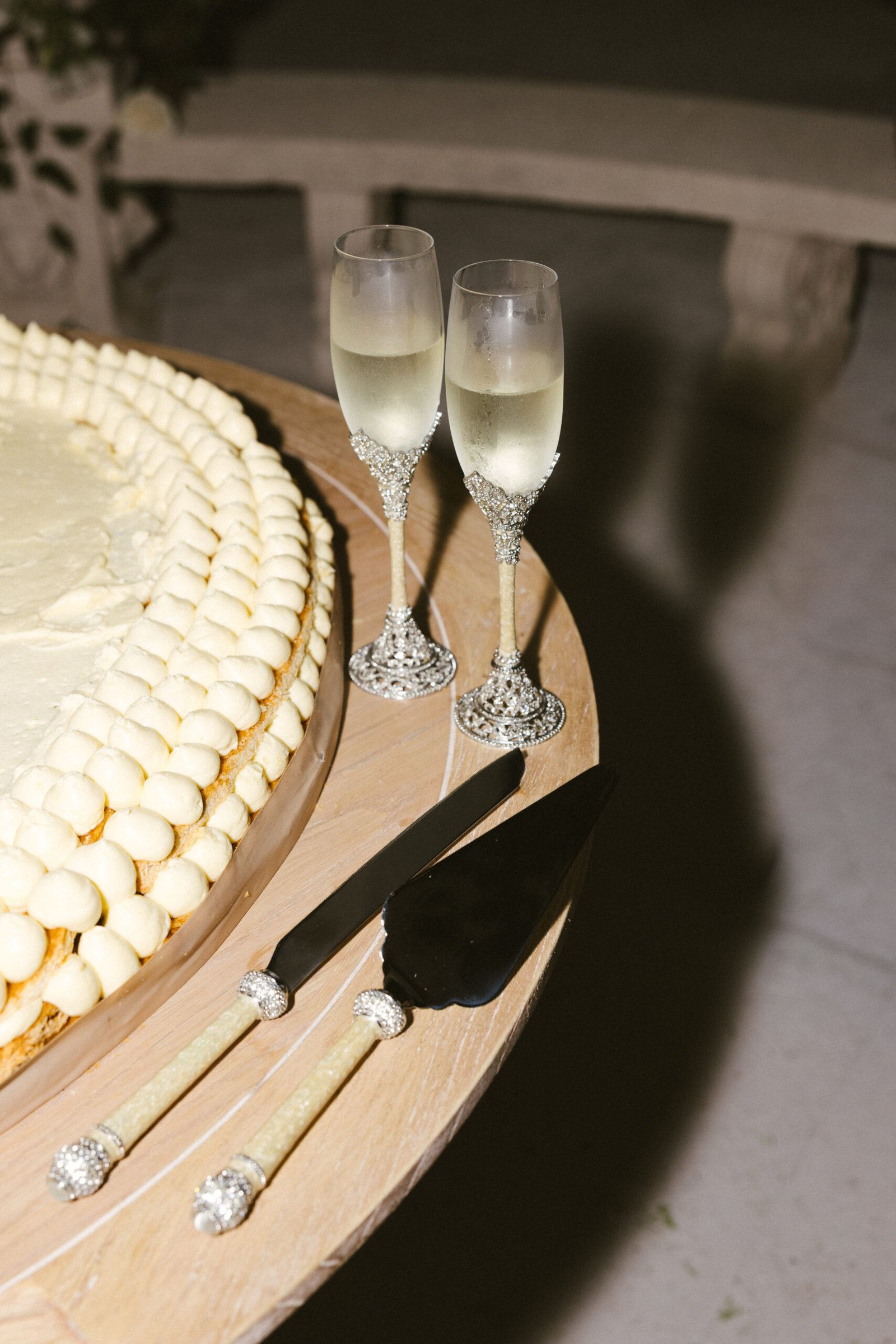
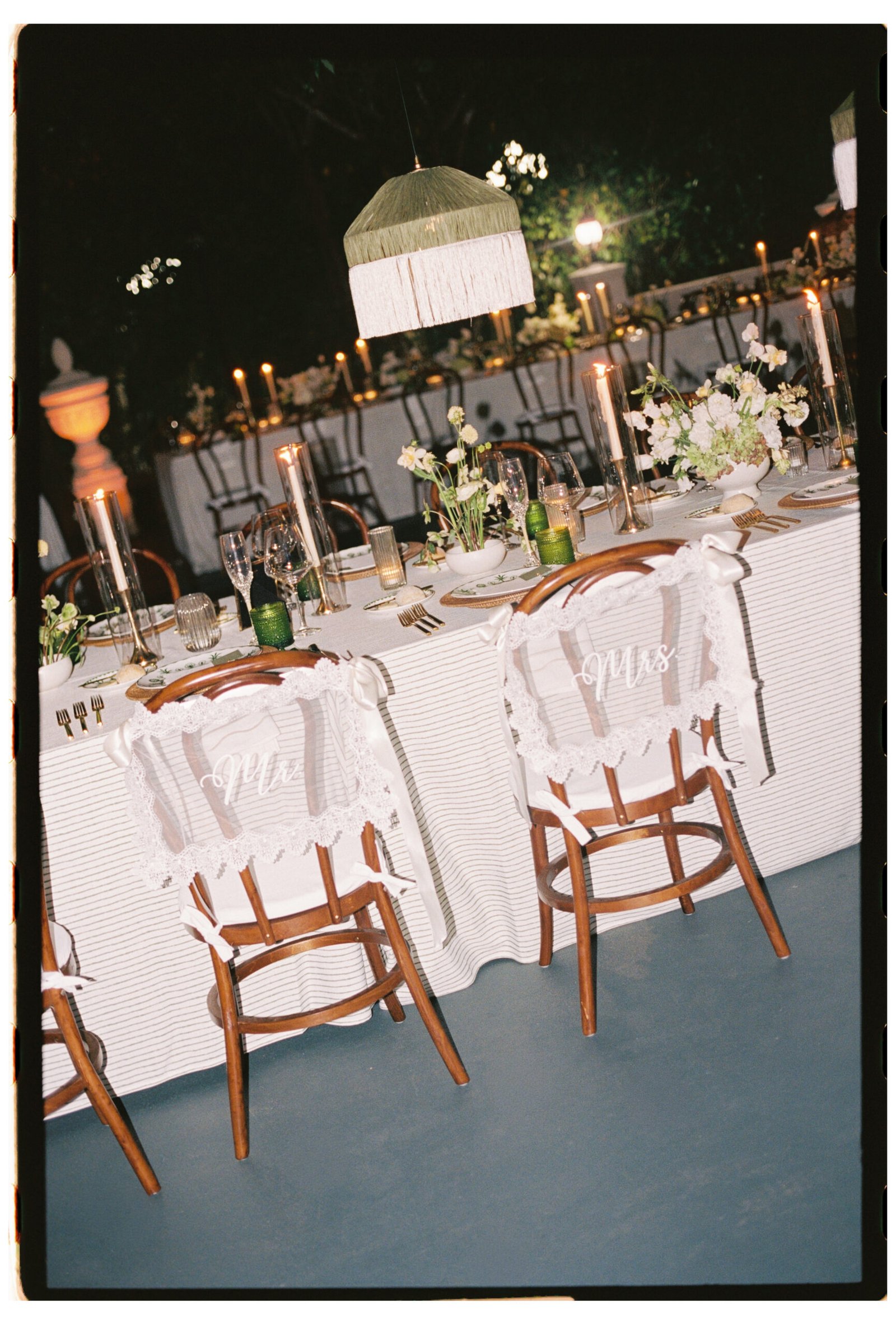
One of the clearest expressions of this shift is color. Monochromatic palettes, in which a single hue is explored through varied textures, materials, and finishes, have become increasingly common. A room dressed entirely in shades of ivory or soft blush doesn’t feel limited; it feels intentional. The linen, florals, candlelight, tableware, and even the menu become part of the same visual language. When the food arrives at the table, it shouldn’t interrupt that story. The plating, serving pieces, and presentation should feel as if they belong in the room rather than simply arrive there.
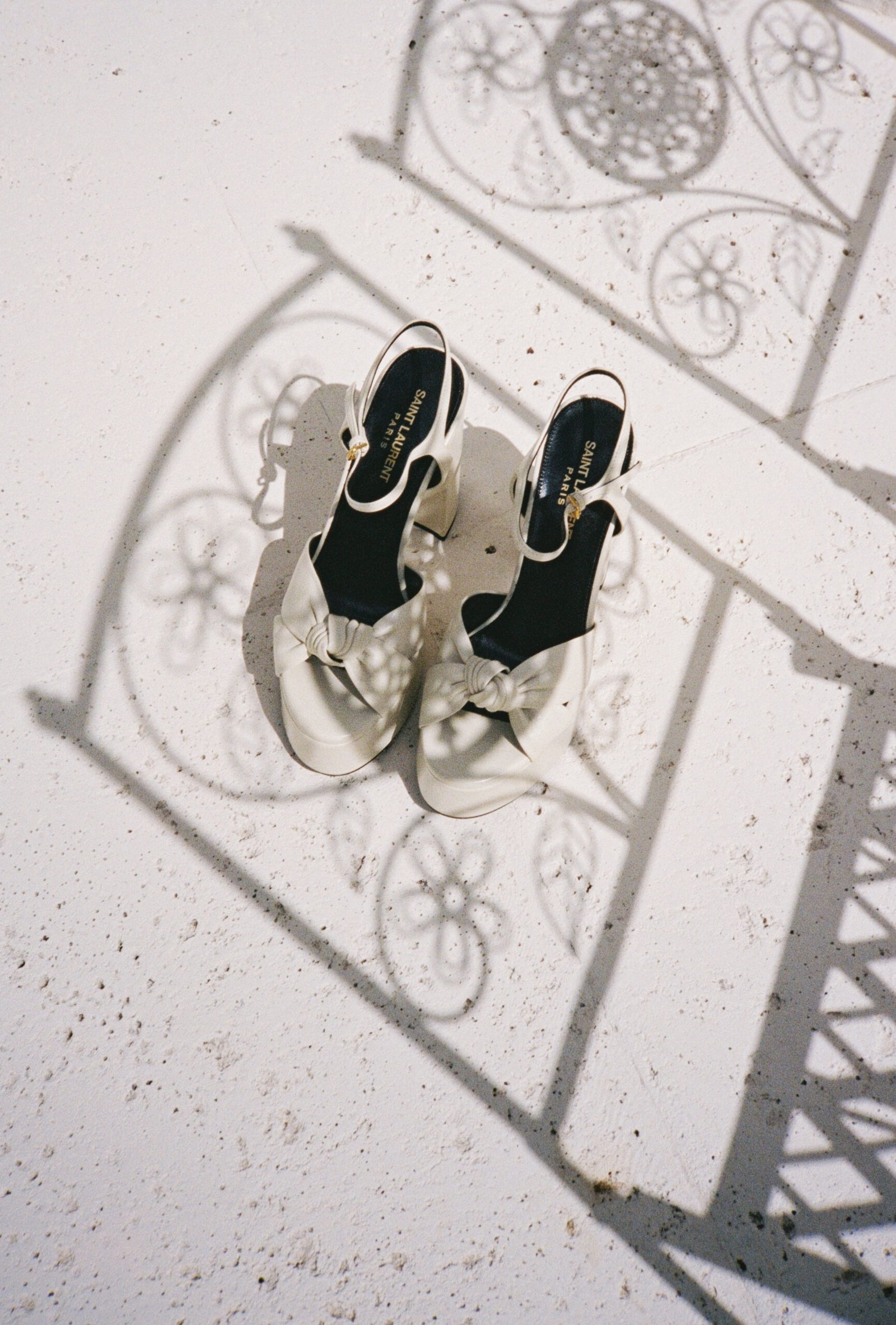
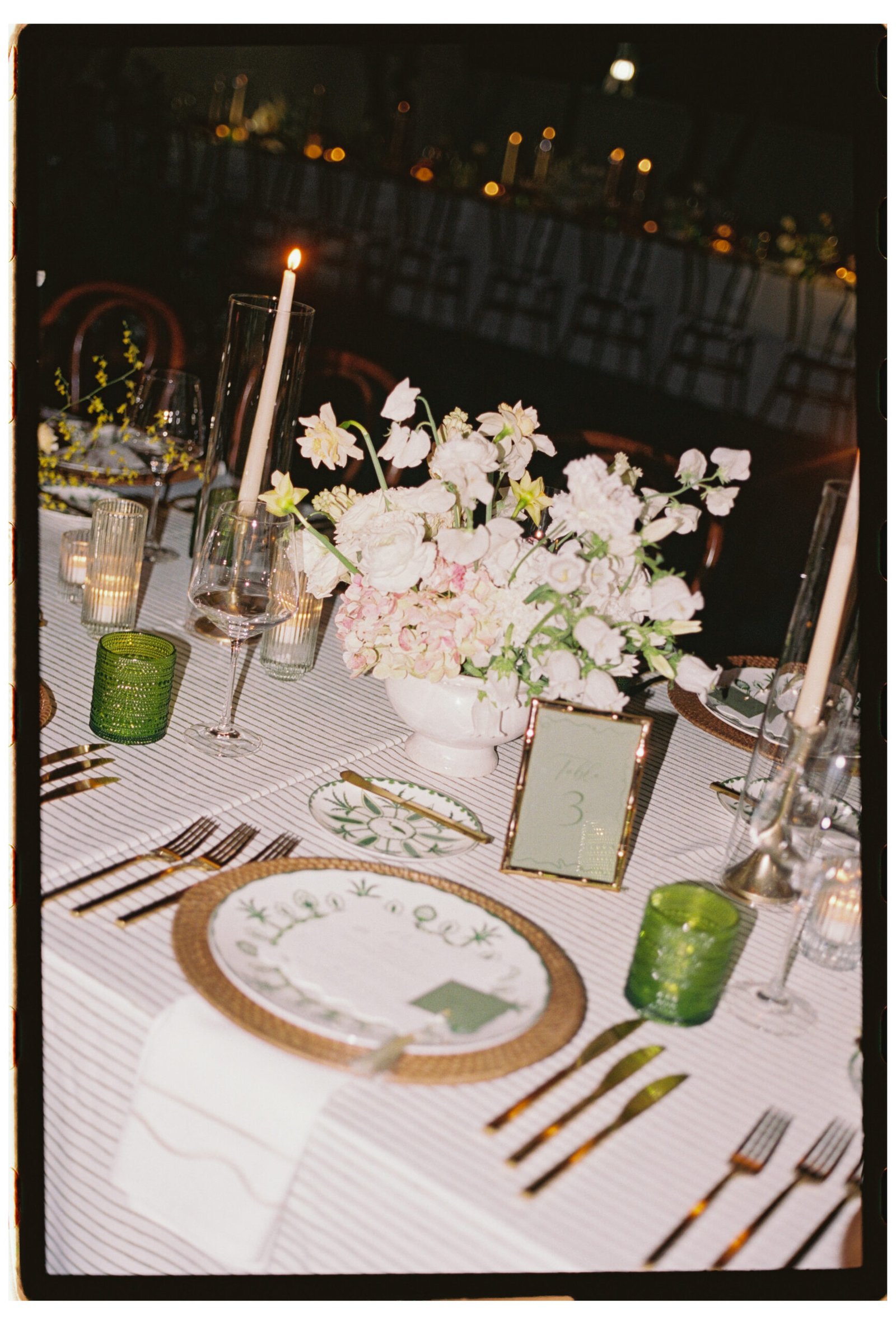
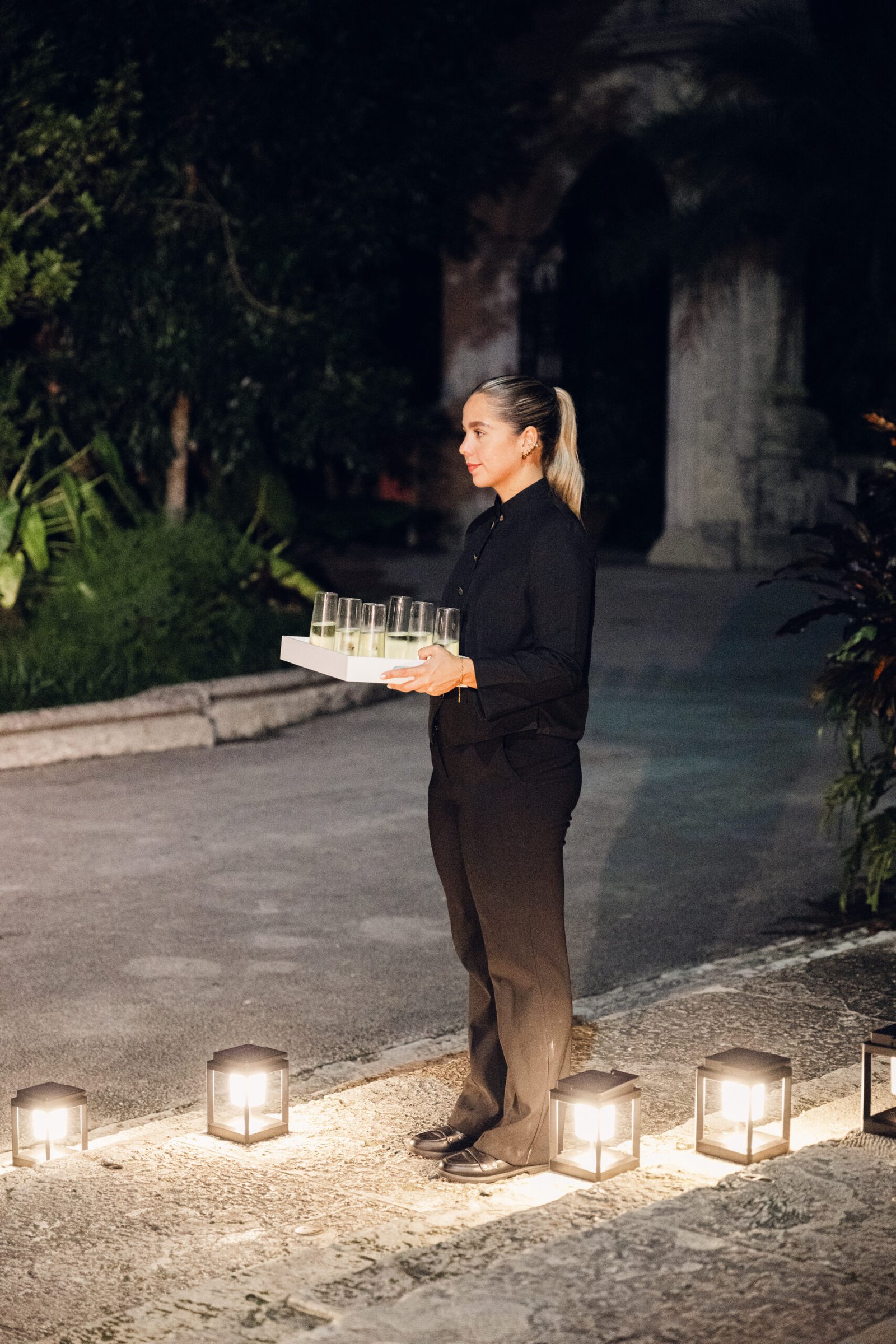
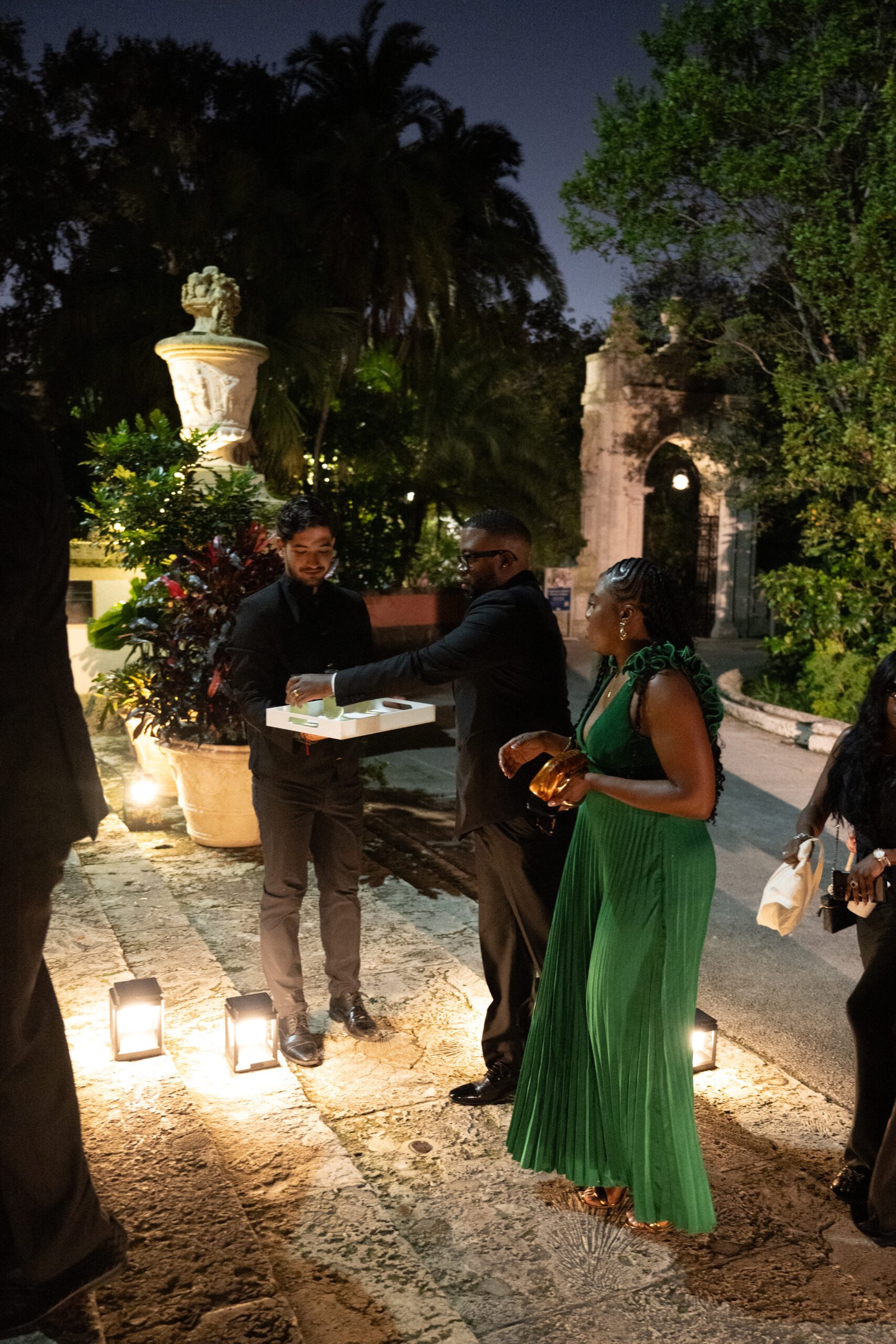
We’re also seeing couples gravitate toward venues with authentic architectural character rather than transforming neutral spaces beyond recognition. One venue that perfectly illustrates this shift is The Ancient Spanish Monastery in North Miami Beach. We’ve had the privilege of catering several weddings there this year, and each celebration approached the space with a similar mindset: embrace what already exists rather than compete with it. The monastery’s centuries-old stone walls, soaring arches, and historic atmosphere naturally invite richer textures, layered linens, candlelight, silver accents, and floral installations with depth and movement. The culinary presentation follows the same rhythm, not because the venue demands extravagance, but because every element feels stronger when it responds to its surroundings.
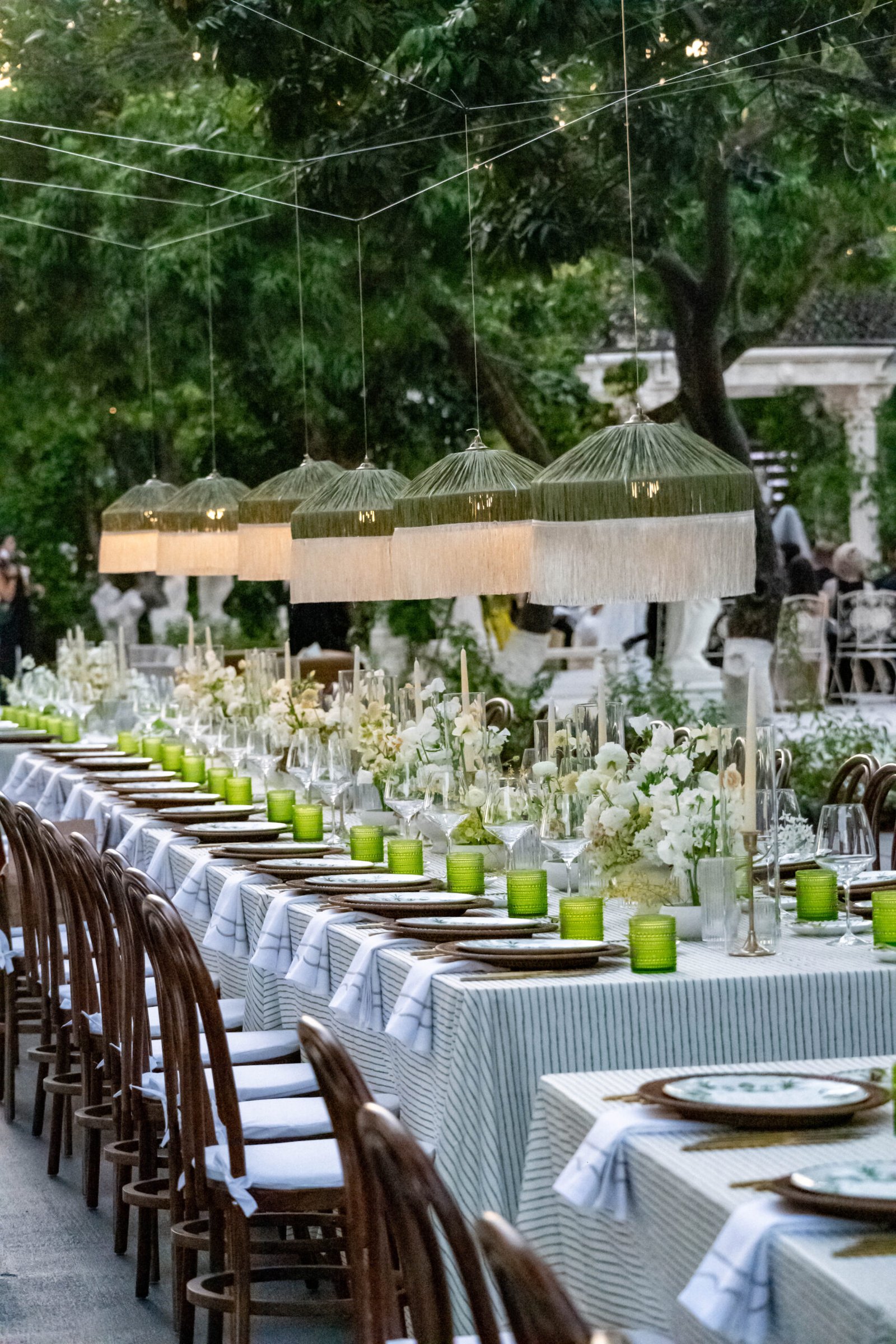
Alongside this, there’s a growing use of materials to define a space in ways that feel more architectural than decorative. Statement drapery, textured linens, sculptural fabric installations, layered tablescapes, and carefully selected finishes are transforming venues without relying on excessive décor. Rather than adding more objects to a room, designers are reshaping the space itself , a quieter approach to luxury, built on texture, proportion, and atmosphere rather than abundance.
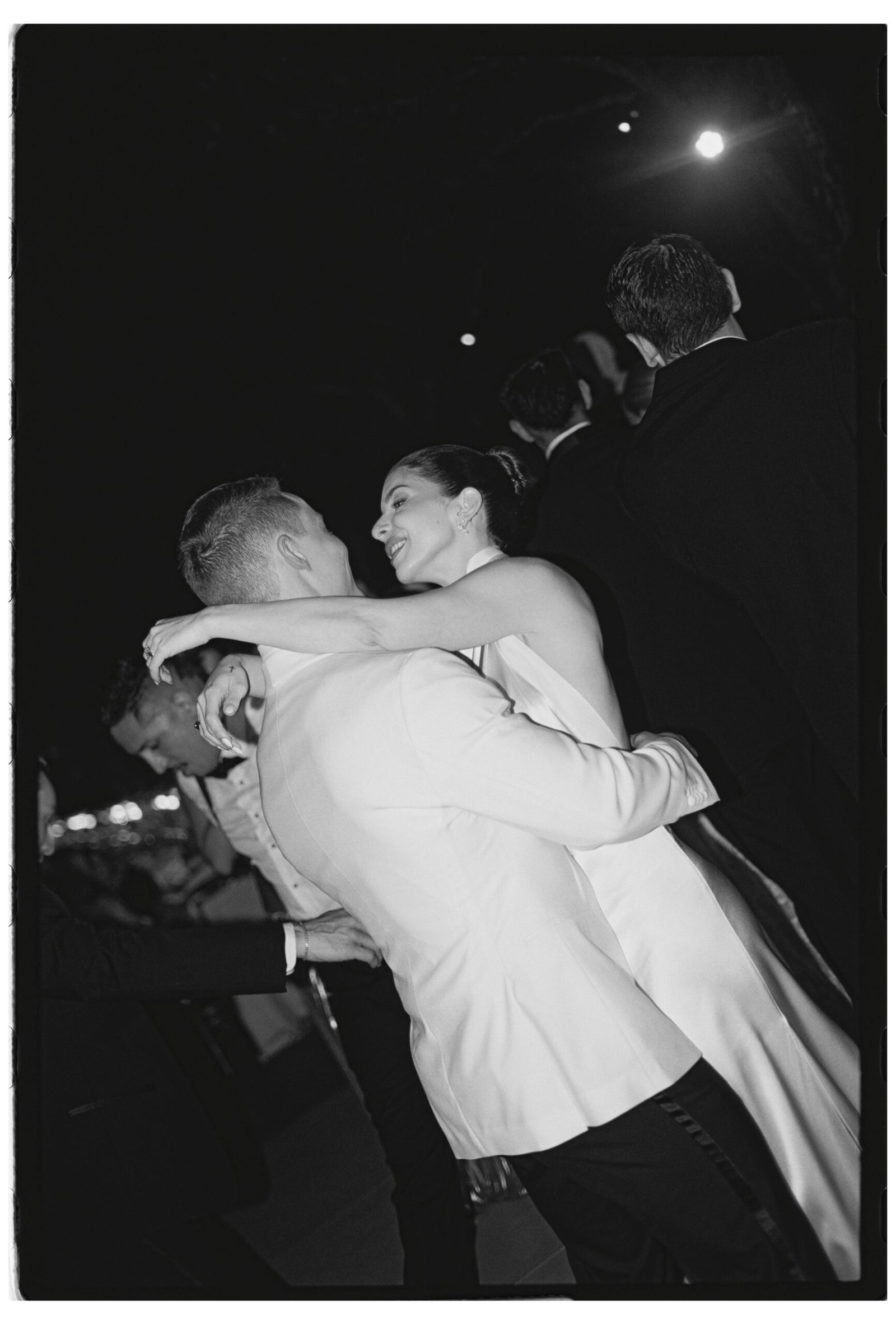
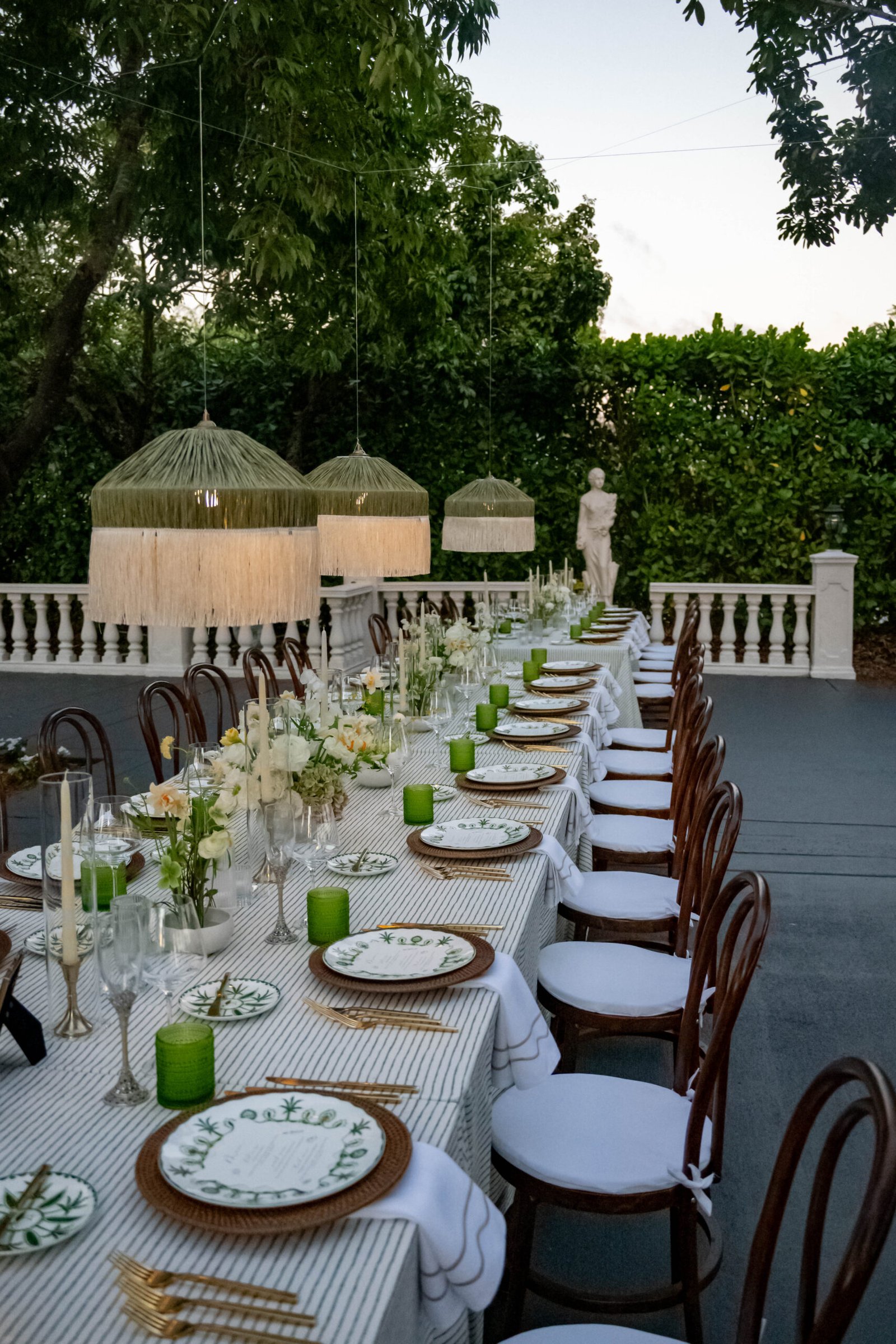
What ties all of these shifts together isn’t a specific color palette, fabric, or venue. It’s the expectation that every creative partner shares the same vision. We’re having different conversations than we did just a few years ago. Before discussing menu selections, we’re talking about architectural details, tableware, floral palettes, lighting, and the overall atmosphere the couple wants guests to experience. The menu isn’t developed in isolation; it’s shaped alongside the event.
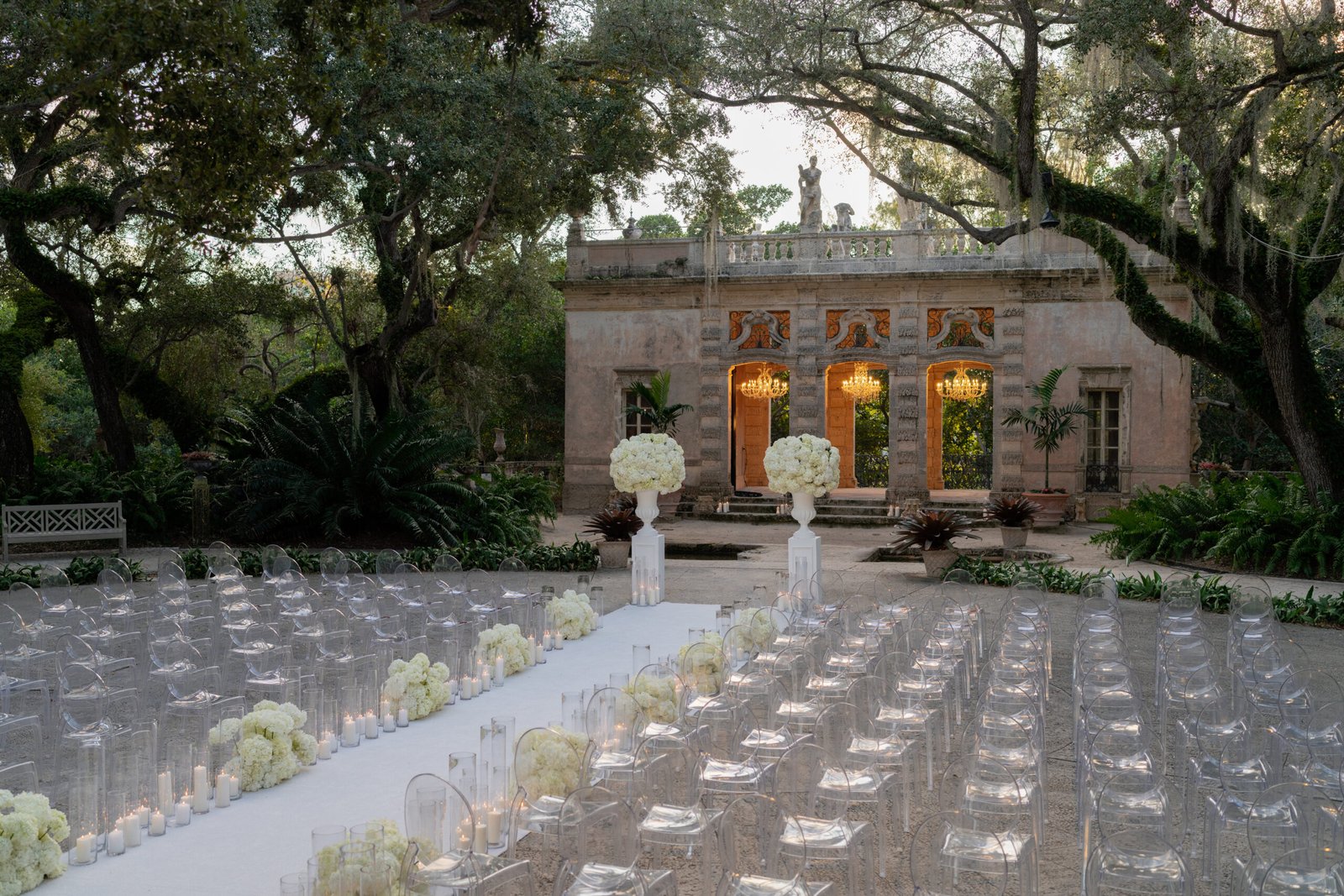
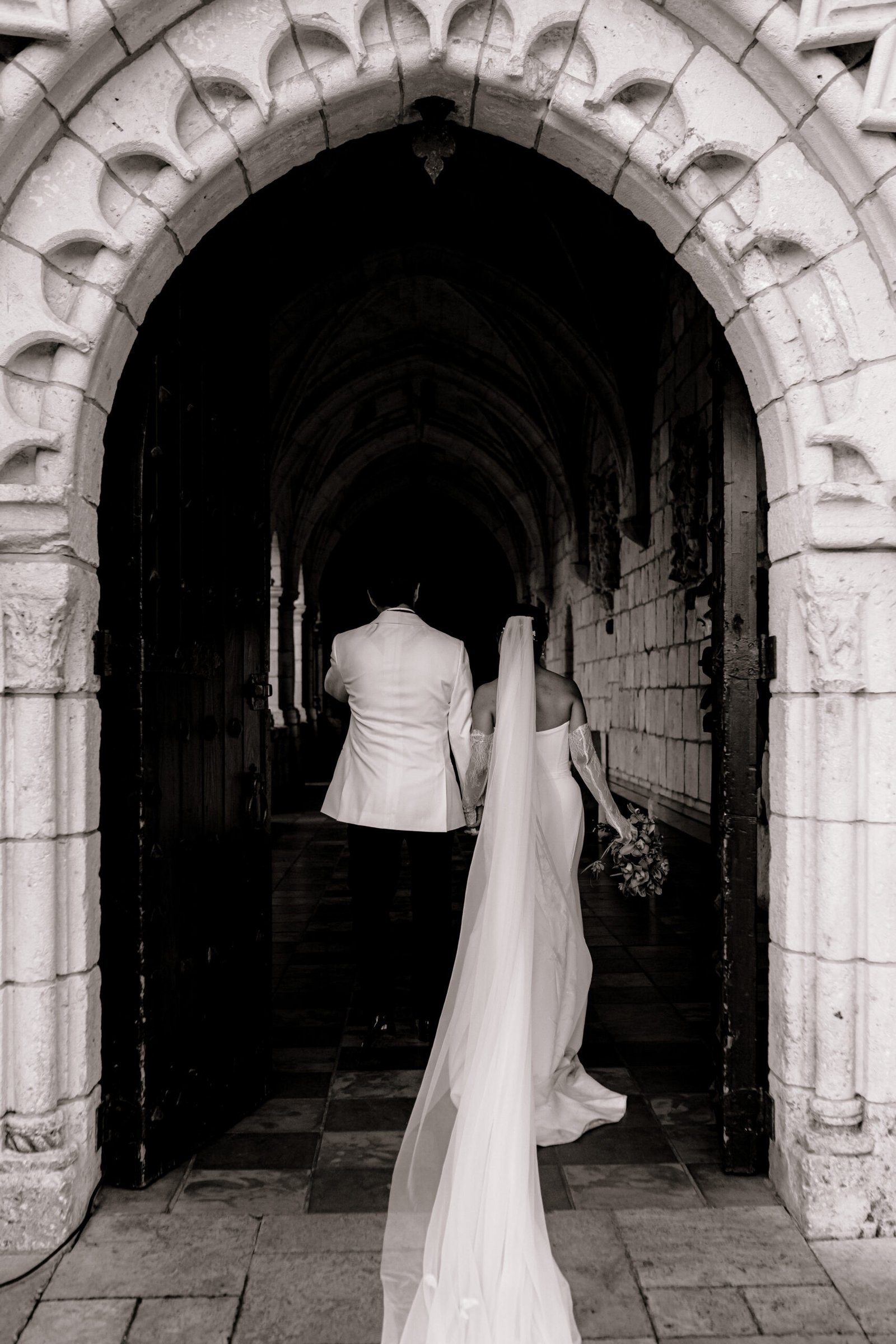
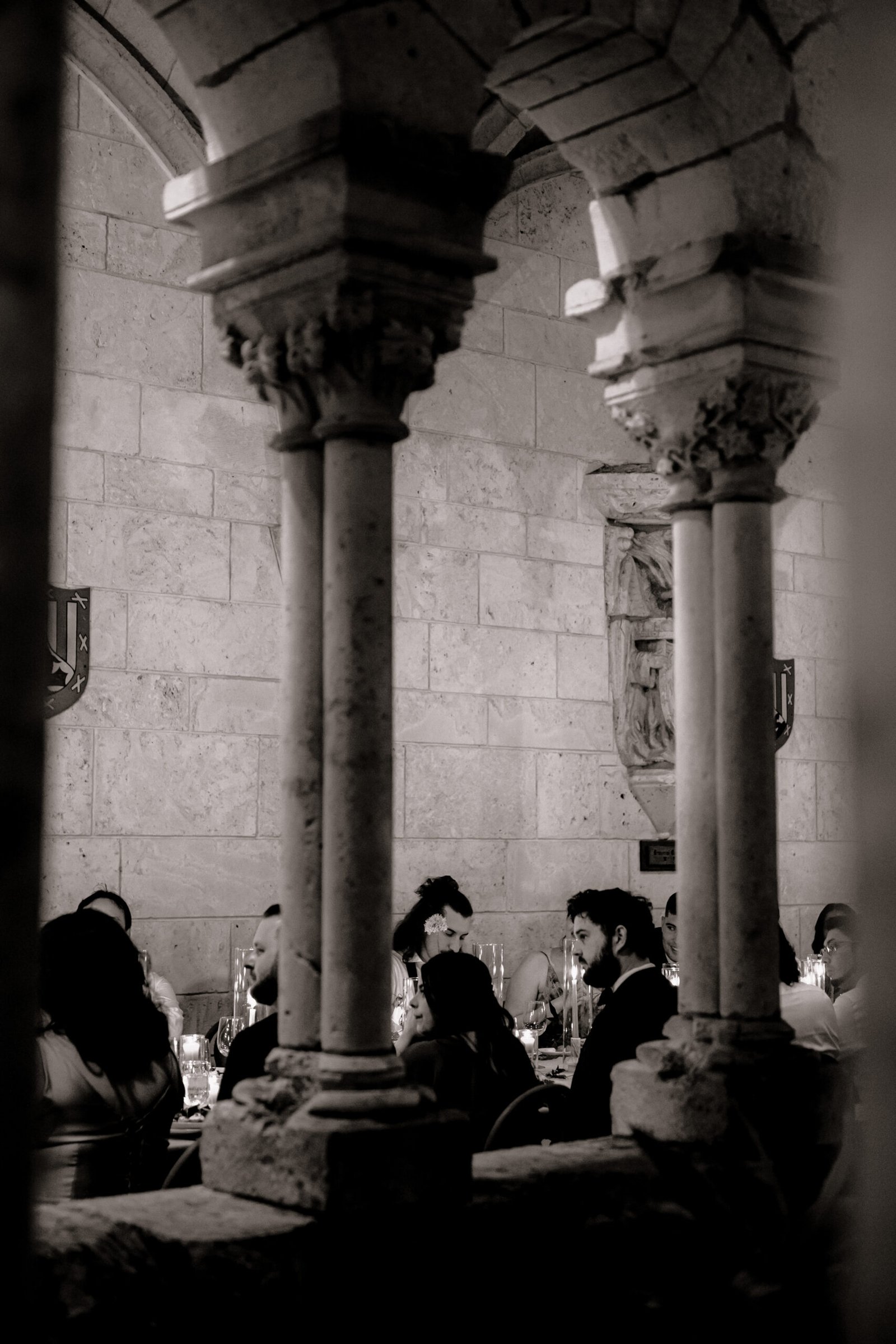
That changes the role of catering in a meaningful way, plating, service, timing, and presentation become creative decisions, not just operational ones. A course served in a centuries-old monastery shouldn’t feel the same as one presented in a contemporary event space, not because the food needs to be more elaborate, but because the experience should feel native to its environment. Perhaps the most interesting shift we’re seeing in Miami’s wedding market is that couples aren’t asking vendors to execute individual pieces of an event. They’re asking every creative partner to contribute to the same story. That’s the kind of collaboration we enjoy most, and it’s where we believe the strongest celebrations begin.