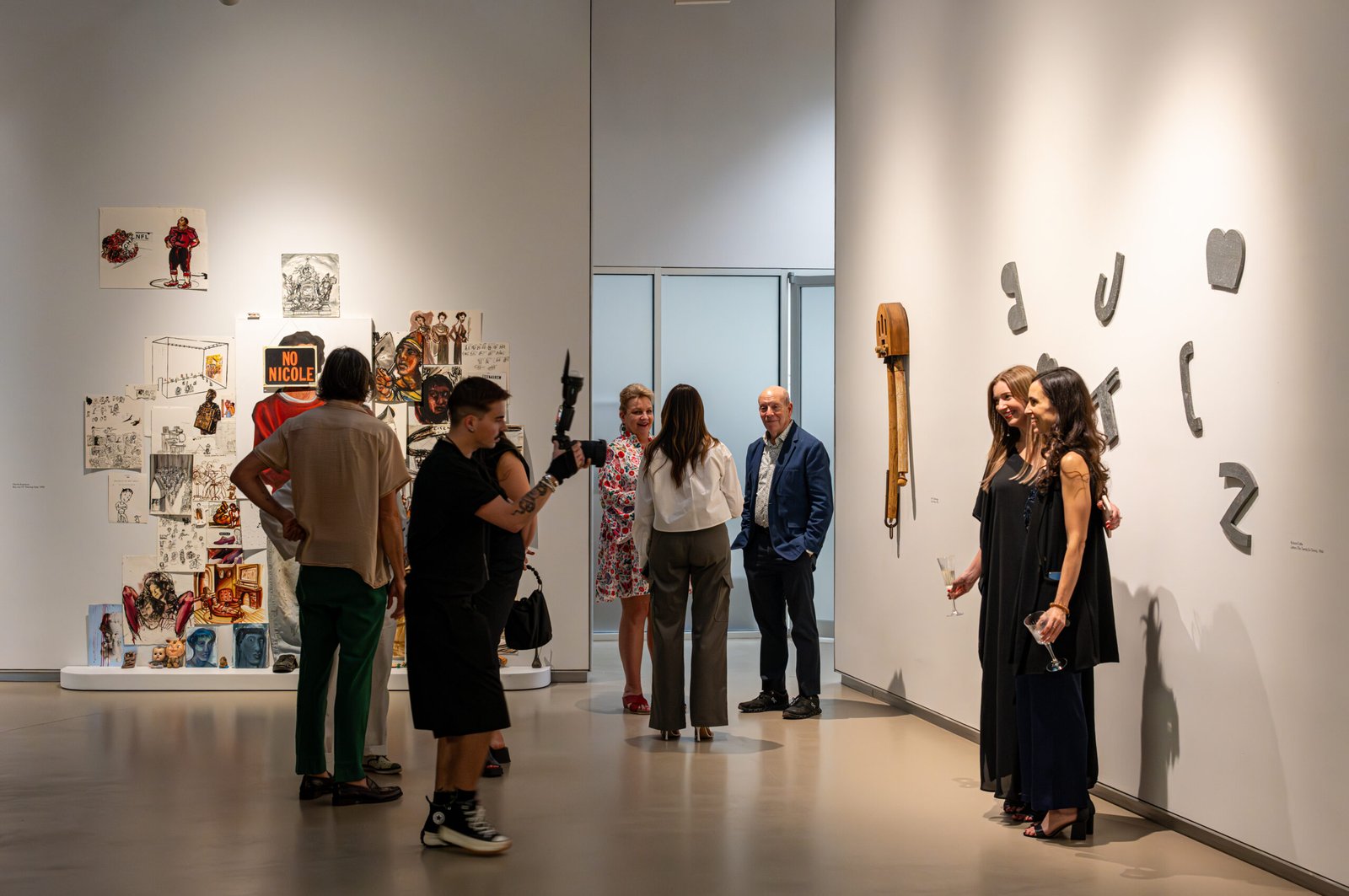
There’s a common misconception in event planning; that energy is something that simply happens. It doesn’t.
The most memorable events—the ones that feel effortless, dynamic, and alive—are carefully designed through a sequence of emotional, sensory, and behavioral cues. What guests feel, how they move, when they engage, and even what they remember afterward is not accidental. It’s orchestrated.
At the center of this orchestration lies what we call guest flow: the invisible structure that shapes how energy builds, peaks, and evolves throughout an event.
It Begins with Emotion and Builds Through Rhythm
Before logistics, before aesthetics, before programming, there’s psychology.
Guests arrive wanting to feel welcomed, respected, and important. When this emotional foundation is established, everything else becomes easier: people open up, engage, and naturally step into the experience.
From there, energy doesn’t spike randomly. It builds through rhythm.
Arrival transitions into interaction.
Interaction settles into moments of pause.
And those pauses make space for renewed momentum.
Just like in fine dining, timing is everything. Not too fast to overwhelm, not too slow to lose attention. When the sequence is right, guests don’t notice the structure. They simply feel that everything is flowing as it should.
Invisible Service and the Power of Sensory Design
The most sophisticated events are not the most obvious ones. They’re the most seamless.
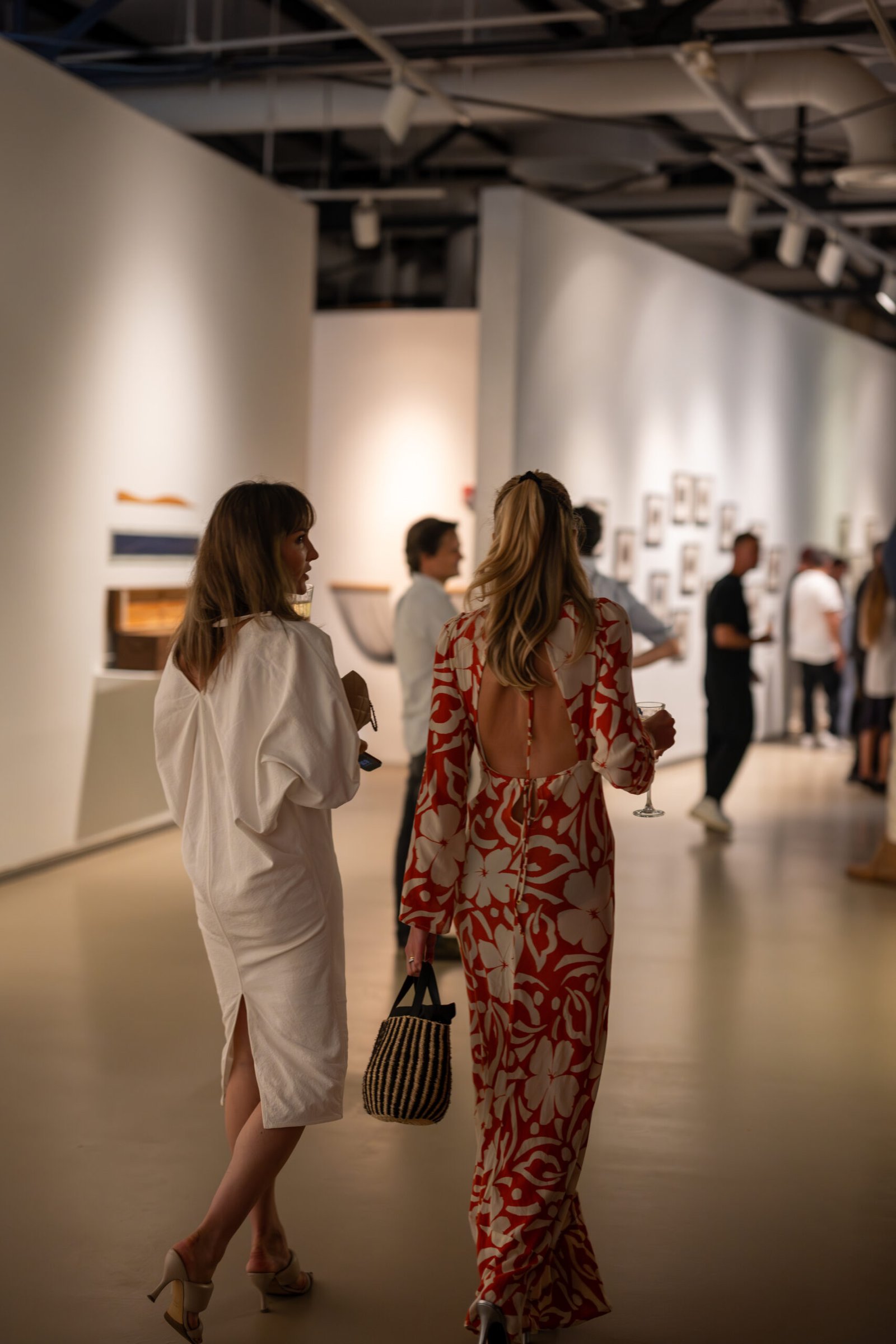
Great service operates quietly. It observes, anticipates, and adjusts without interrupting. A glass refilled at the right moment, a presence that feels attentive, but never intrusive. These are the signals that create comfort and elevate perception.
This is because luxury, more often than not, is the absence of friction. At the same time, energy is deeply sensorial.
- Visuals shape the atmosphere.
- Sound regulates tempo.
- Textures add depth.
- Scent triggers emotion.
- Taste anchors the experience in something tangible.
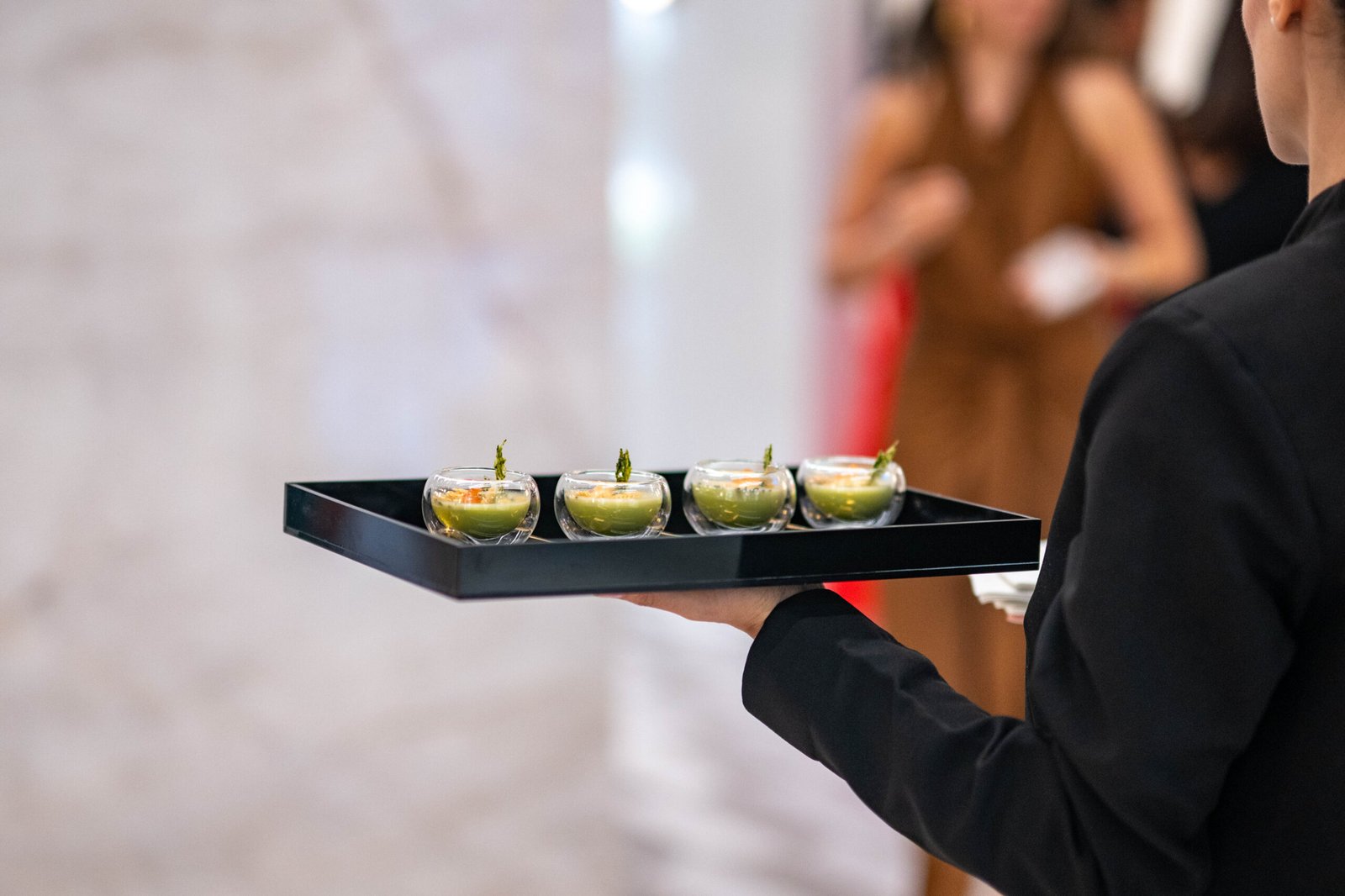
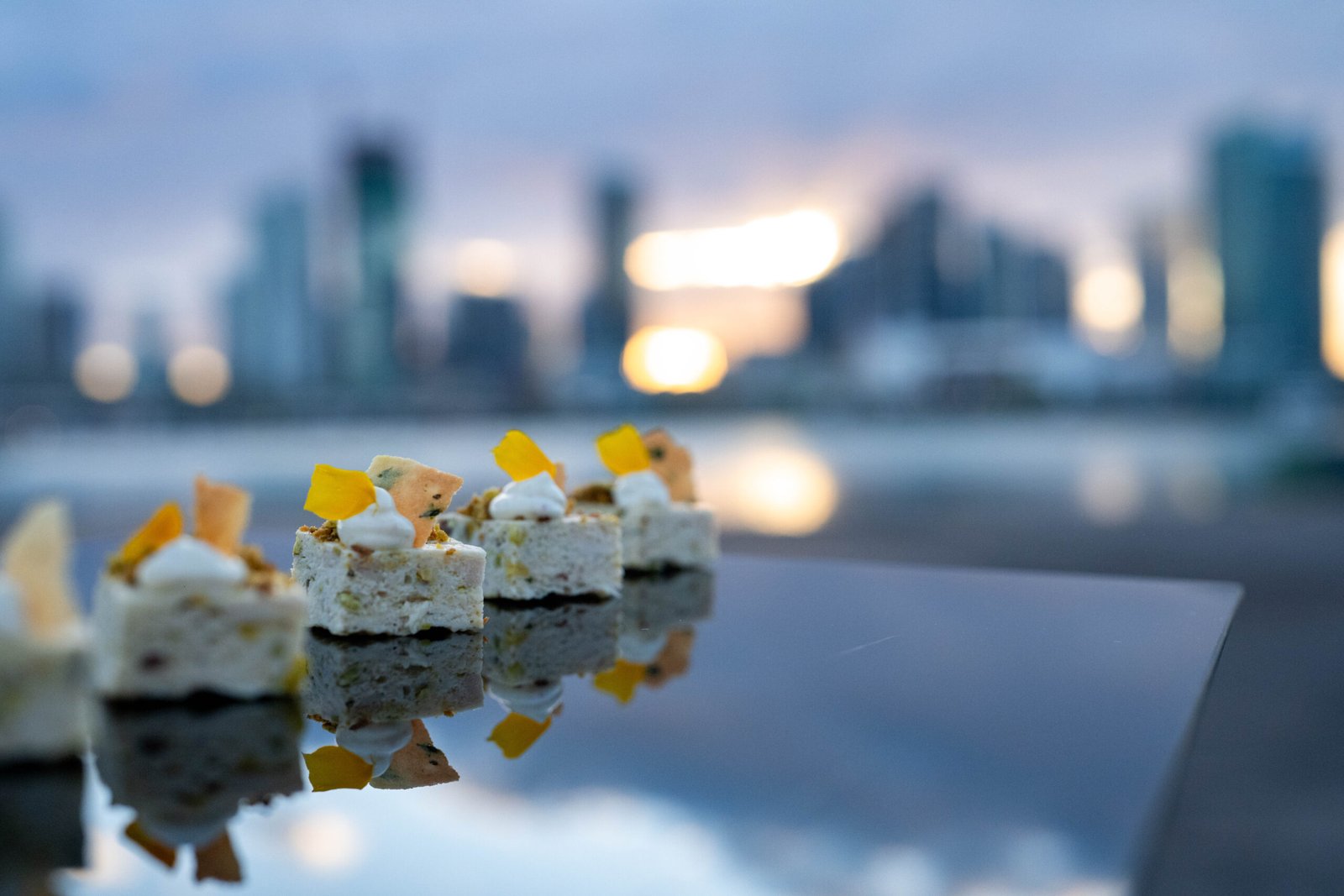
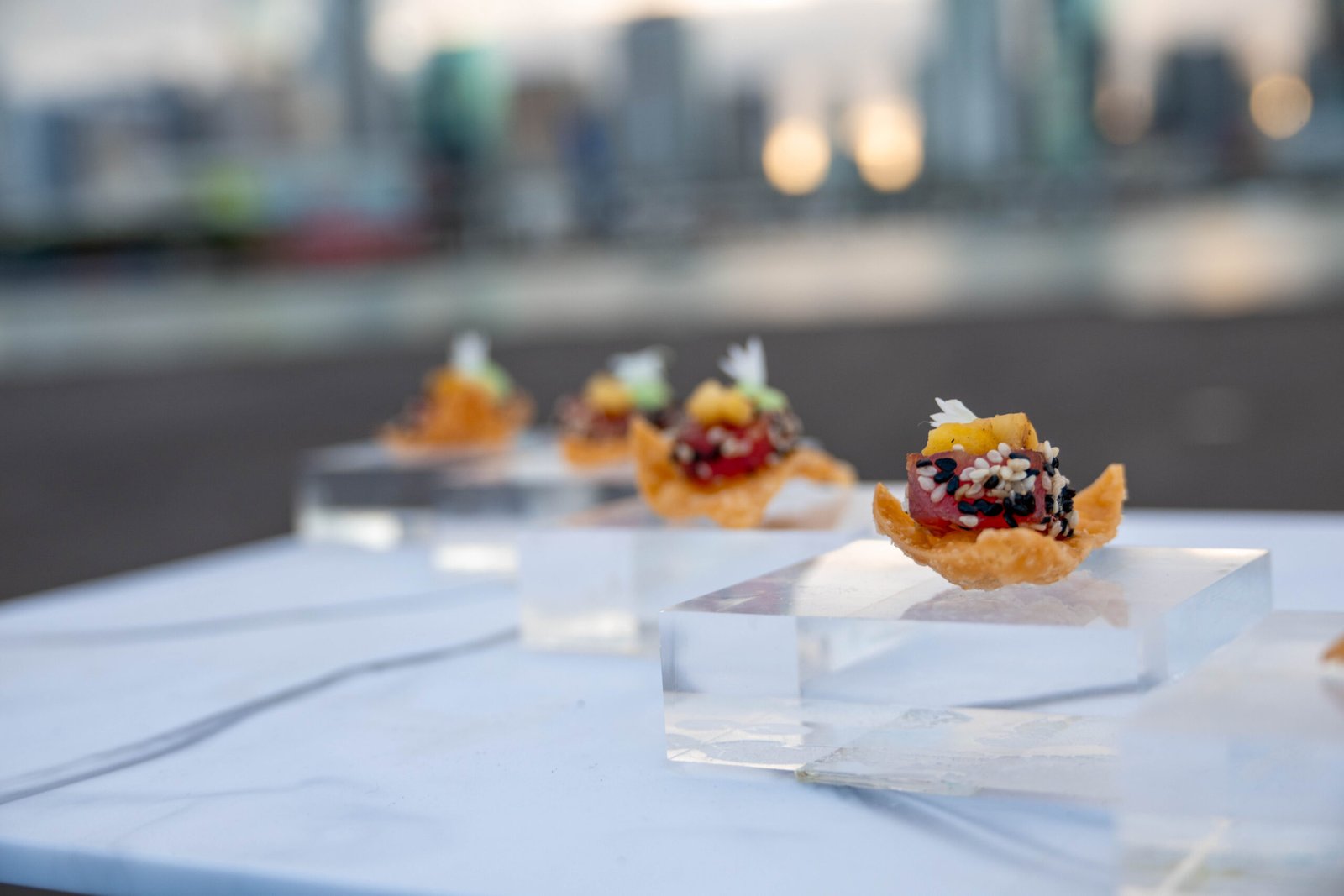
Among all of these, food holds a unique role. It engages multiple senses at once while also structuring the event itself, creating natural pauses, sparking interaction, and reactivating attention exactly when needed.
Flow, Memory, and the Moments That Matter
At its best, an event creates a state of immersion; a sense of flow where guests lose track of time and move effortlessly from one moment to the next.
This doesn’t come from constant stimulation, but from coherence. A subtle progression, sometimes even a narrative, that connects each part of the experience into a whole.
And yet, despite everything that happens in between, memory is selective. Guests will remember how they felt when they arrived and how they felt when they left.
- The beginning sets the tone.
- The ending defines the impression.
Everything else supports that journey.
The Role of Catering in Designing Energy
If guest flow is the structure, catering is one of its most powerful drivers.
Not just through the food, but through timing, interaction, and the ability to read the room in real time. Catering teams operate at the intersection of logistics, emotion, and behavior, guiding transitions, sustaining momentum, and shaping how the experience unfolds.
When done right, their work becomes invisible.
It’s the ability to understand not just what the brand looks like, but how it operates: how it hosts, how it engages, and how it expresses itself in real time. More importantly, it’s the ability to deliver all this in a consistent manner.
And what remains is something much more powerful: an event that feels natural, effortless, and fully alive.