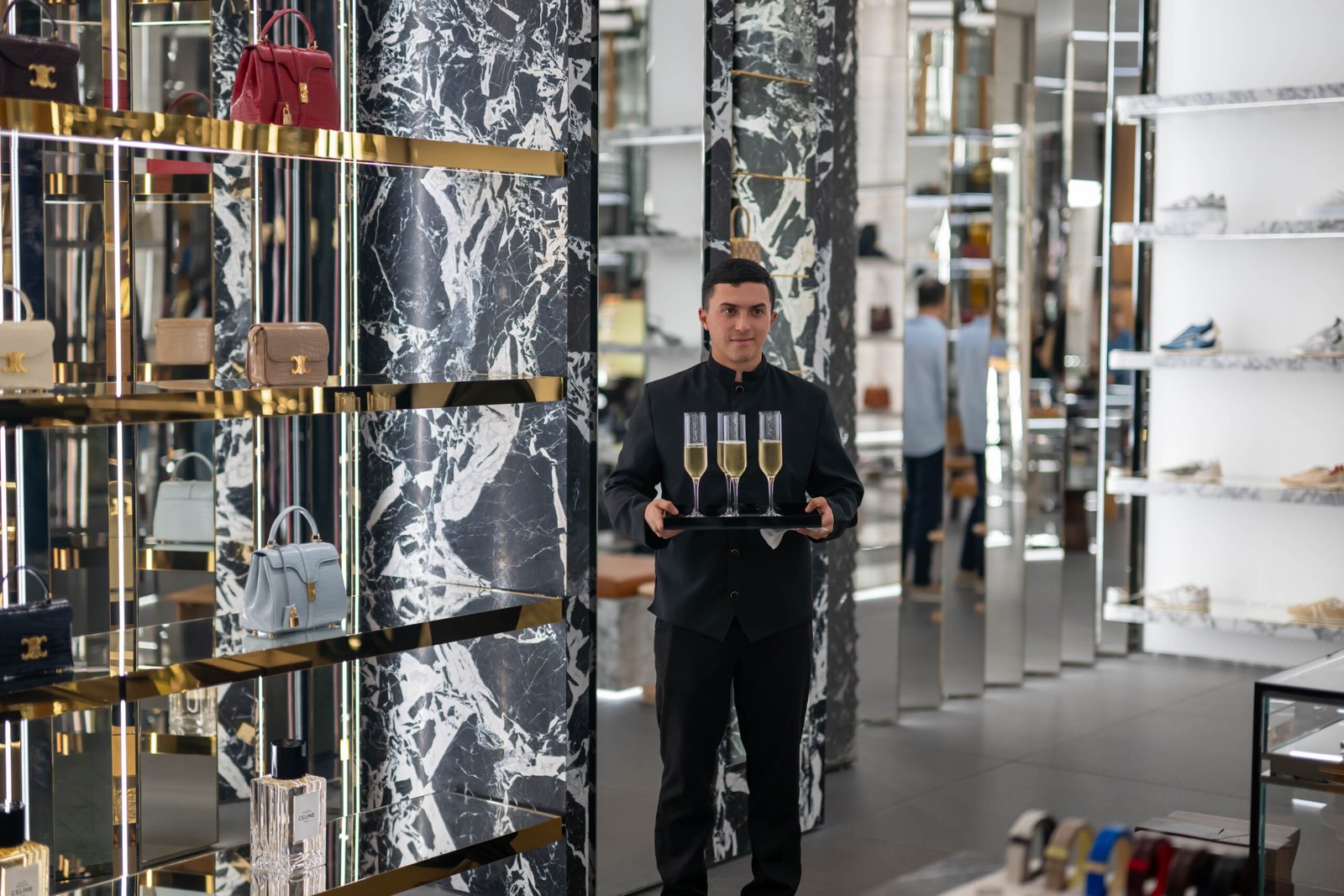
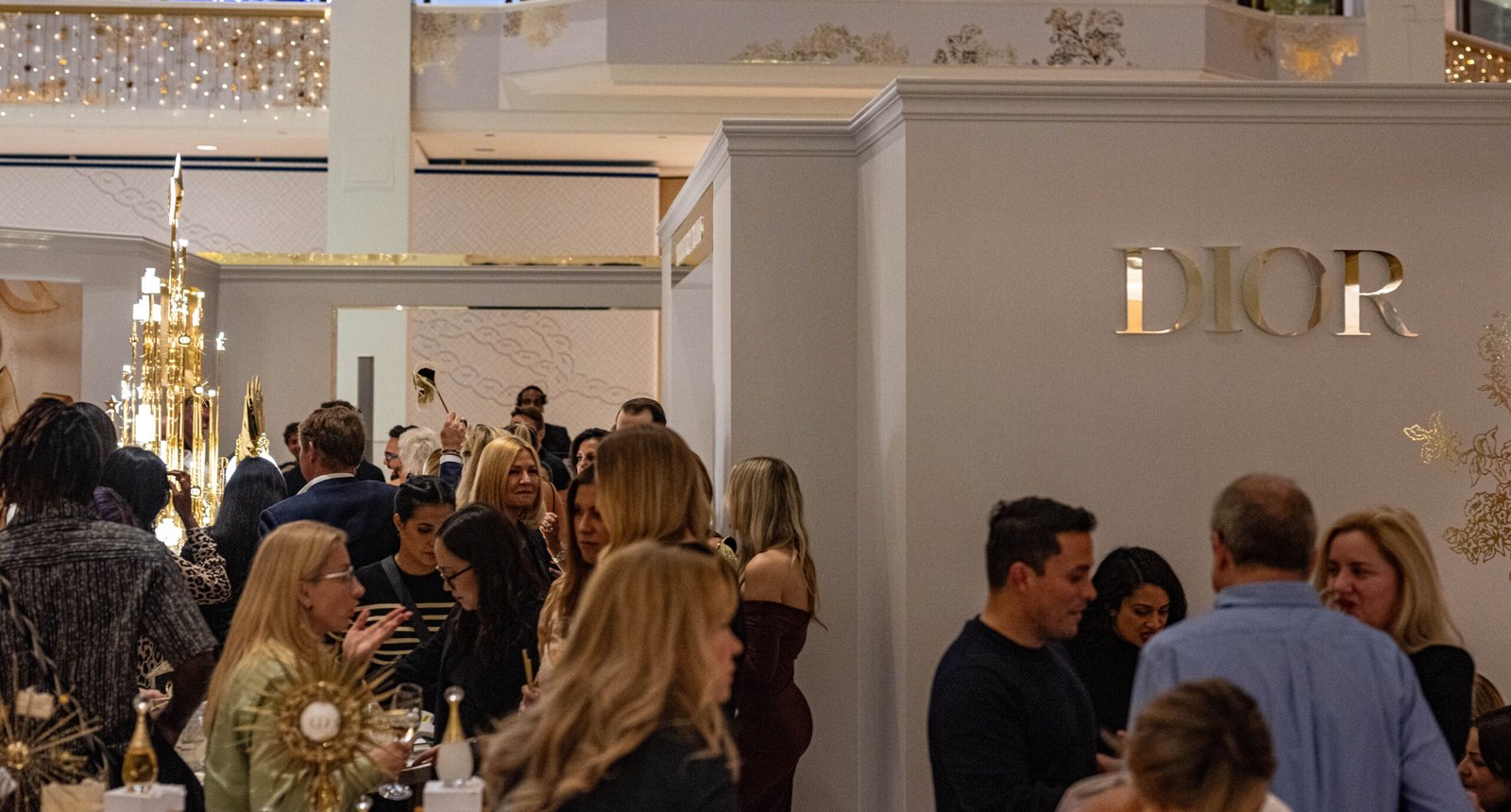
Miami has never done anything quietly. But the way the city throws a party — and what makes that party memorable — has changed in ways that go far deeper than the flower arrangements.
For decades, luxury in South Florida was defined by legibility. The venue, the guest list, the label on the champagne. You communicated status through the things people could see. And Miami was exceptionally good at that kind of event.
But something has shifted. The rules of luxury have been quietly rewritten, and the most sophisticated hosts, brands, and planners in the market are working from a new playbook.
A City That Has Always Been Reinventing Itself
To understand where Miami’s event culture is today, it helps to understand how fast the city itself has moved.
Miami Beach’s transformation into a genuine cultural destination didn’t happen overnight. As design insiders Todd Davis and Rob Brown noted in Mansion Global, when they first began frequenting the area in the late 1990s, it felt more like “an underground world”—celebrity-studded but raw, artistic but unfinished. The luxury infrastructure, the Michelin-starred restaurants, the high-end boutiques, the international residential towers, came later, and it came fast.
The trigger, by most accounts, was Art Basel. According to artist and longtime Miami Beach resident Bob Fetty, the fair’s 2002 debut at the Convention Center effectively “spawned the development of Miami Art Week” and, with it, the entire constellation of cultural events, from the South Beach Wine & Food Festival to Miami Music Week, that now defines the city’s international calendar. In the years since, visitor numbers to Miami Beach have grown by nearly 73%, according to the Greater Miami Convention & Visitors Bureau.
The city that once sold itself on beaches and nightlife has built something more durable: a reputation as a cultural capital. And that reputation has completely reshaped what a luxury event in this market is expected to deliver.
From Visibility to Immersion
There’s a moment that captures the shift well. At Art Basel Miami Beach 2018, rather than traditional cocktail receptions, top hosts were designing events around multisensory encounters, performance art, and multispace installations, creating what Architectural Digest described as “captive opulence.” The goal wasn’t just to impress. It was to make leaving feel like a loss.
Veteran event photographer Patrick McMullen described the change directly: hosts want parties more elaborate and elongated, “so the guests stick around, and they feel they have had an experience.” The emphasis here isn’t on spectacle for its own sake. It’s on engineering genuine engagement.
Michelin-starred chef Daniel Boulud, speaking around that same period, put it even more plainly. With guests now arriving at dinner and immediately texting to invite friends, he observed that luxury hospitality is no longer about “ladling the caviar.” Instead, he said, “it’s all about providing an artistic experience.”
That sentence carries a lot of weight for anyone in the events business in South Florida. The shift from service to experience, from impressive to immersive, is not a trend. It’s the new standard.
The New Language of Luxury
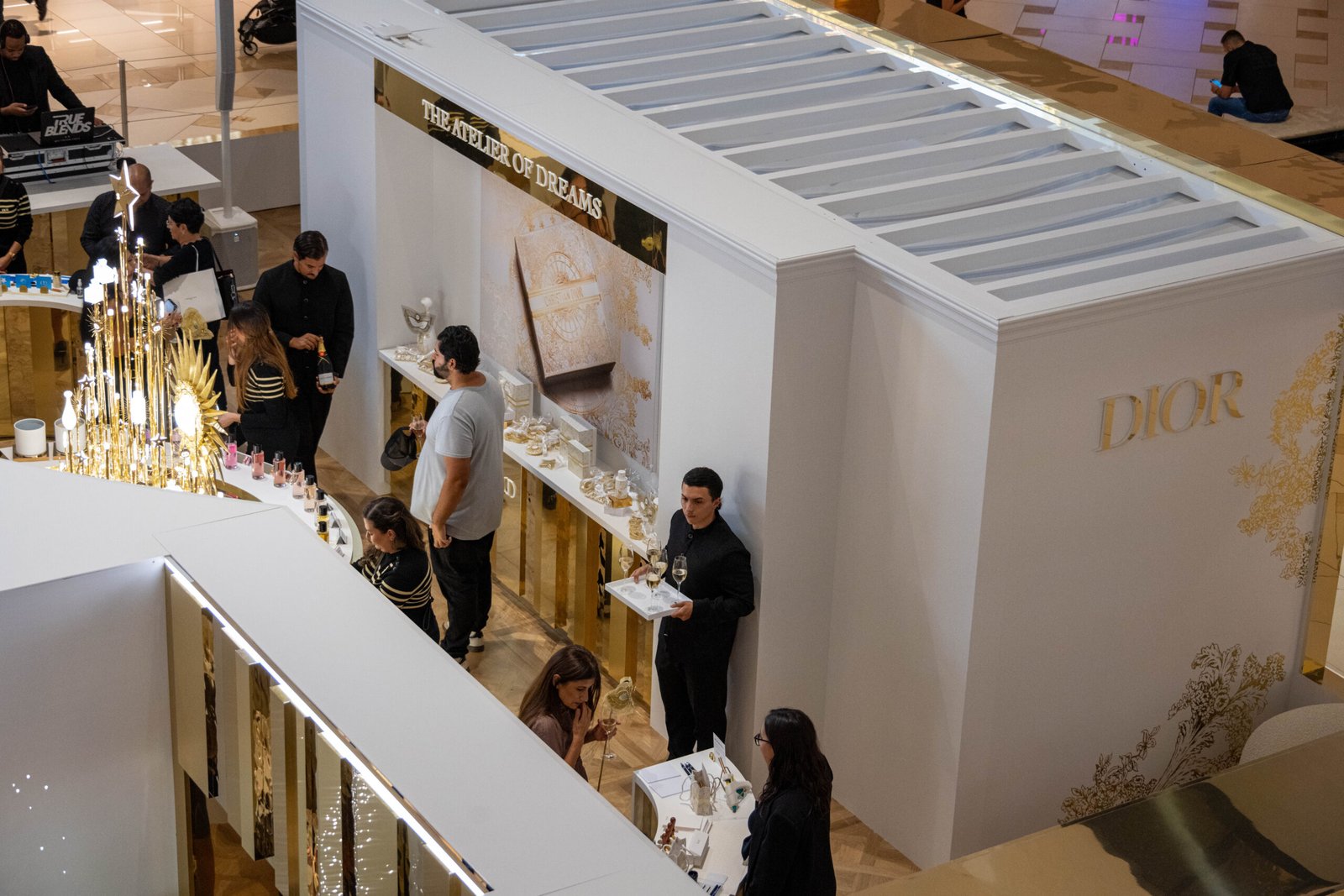
Miami’s event market today is deeply multicultural, intensely design-literate, and increasingly experience-driven. The Greater Miami Convention & Visitors Bureau’s current “Find Your Miami” campaign, which organizes the city’s identity around five pillars including Cultural Capital and Rich Heritage, reflects a deliberate repositioning. Miami is no longer selling a single idea of luxury. It’s selling the permission to craft your own version of it.
For event planners and brands, that has a practical implication: cookie-cutter approaches don’t work anymore. A corporate dinner for a luxury fashion house should feel nothing like a corporate dinner for a financial services firm, even if the guest count is identical. The most successful events in this market are the ones where every decision, from the music to the menu to the service style, tells a coherent story.
The clients who understand this — the real estate developers of Brickell and Edgewater, the luxury retailers of Bal Harbour Shops and the Miami Design District, the brands hosting private experiences during Art Basel or the Formula 1 Grand Prix — aren’t looking for vendors. They’re looking for partners who can think alongside them.
The Strategic Role of Food and Catering
Here’s what has changed most visibly, and most meaningfully, in how South Florida’s top-tier events are designed: food is no longer the backdrop. It’s the event.
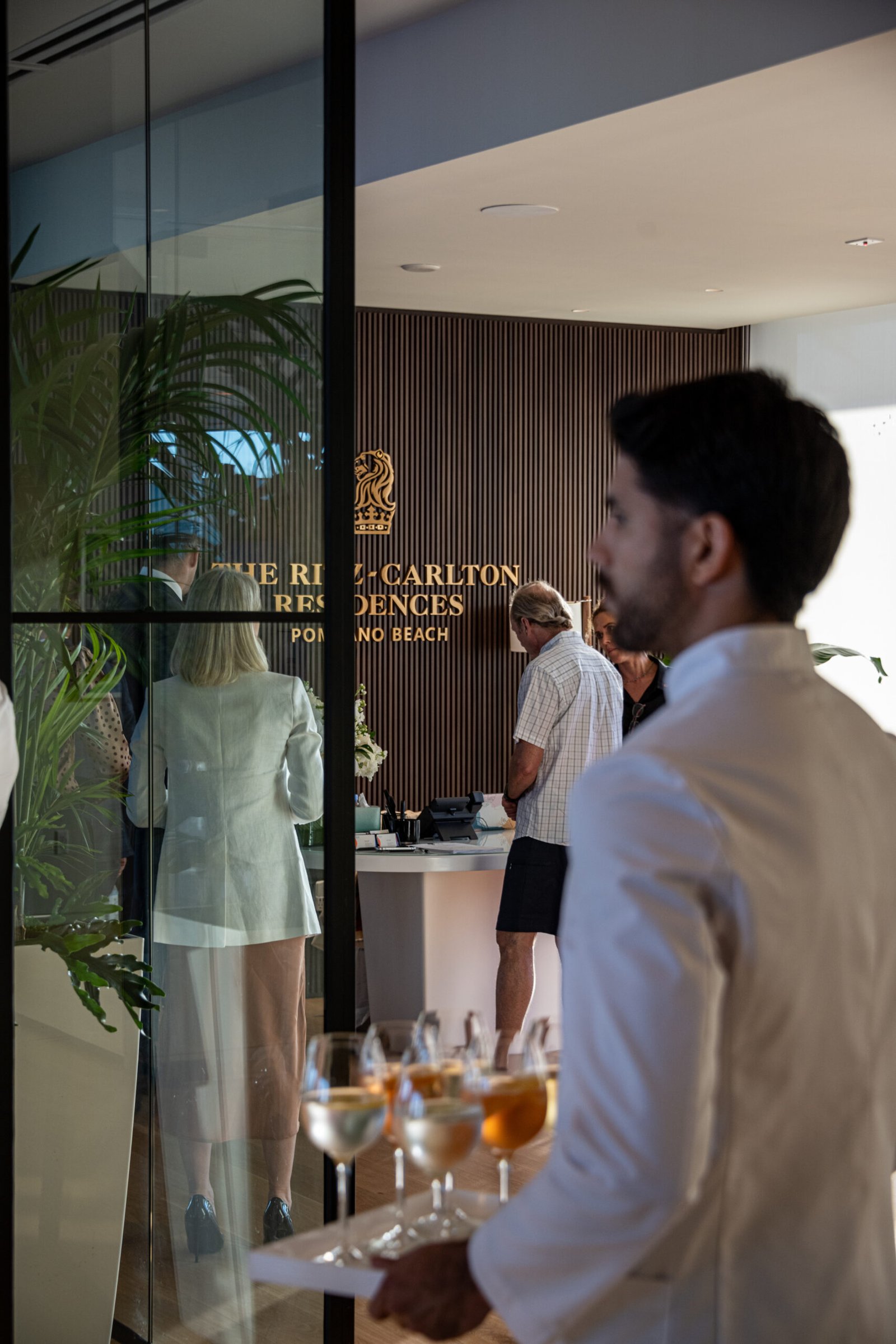
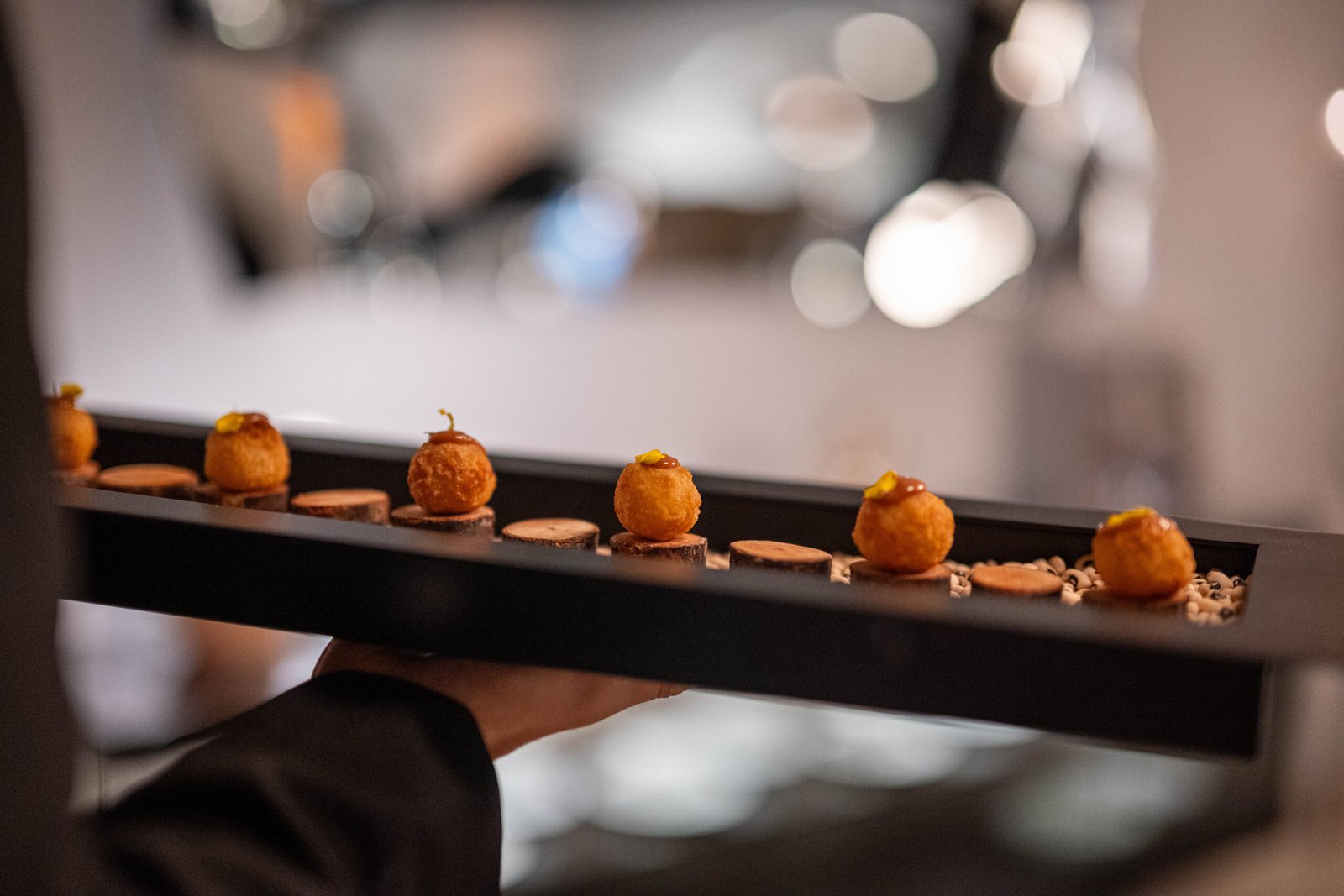
The catering decisions at a luxury event are not logistical. They’re editorial. The format of service shapes how guests interact. The pacing of courses affects the energy of the room. The menu itself — its references, its ingredients, its presentation — communicates brand positioning in a way that no signage or speech can replicate.
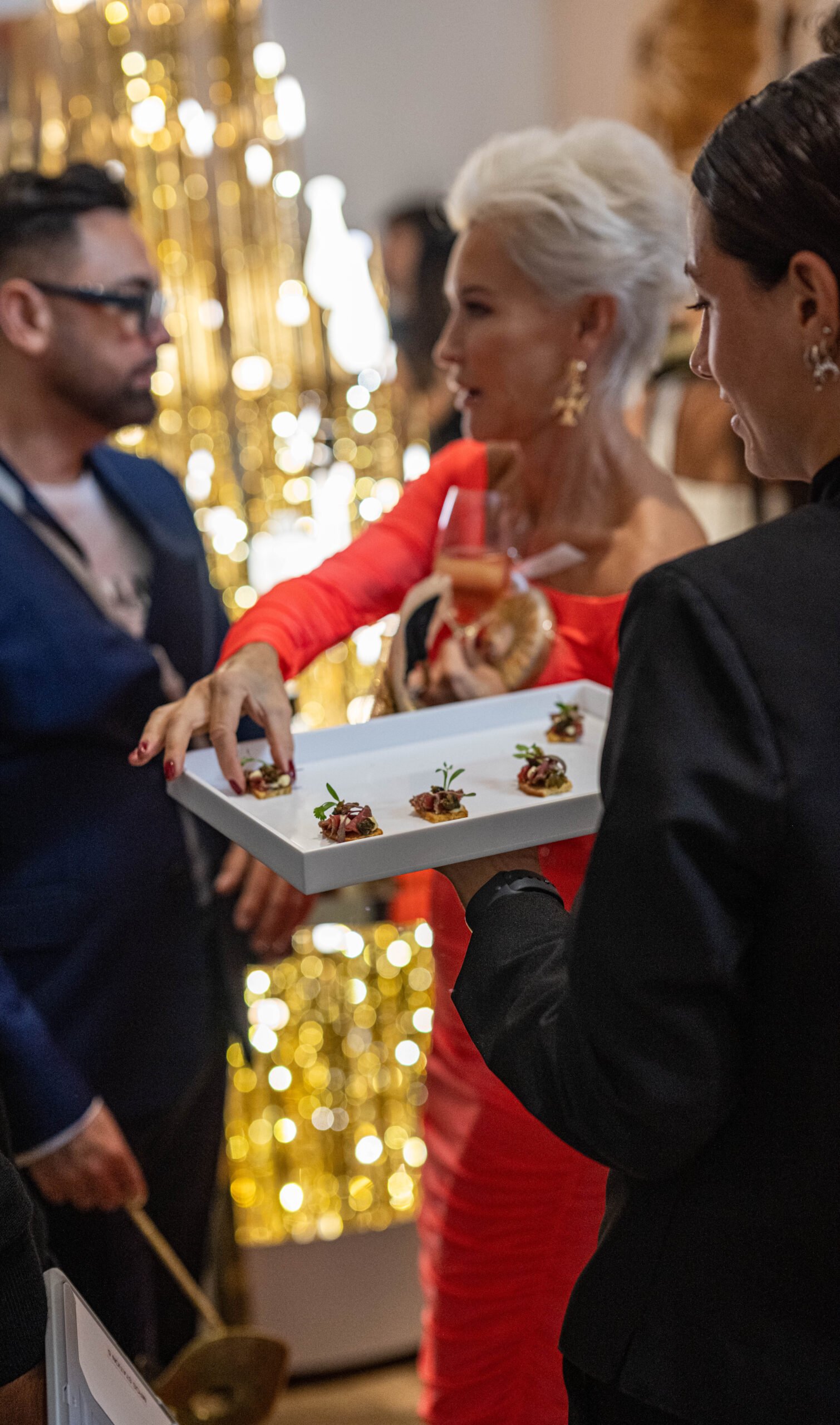
This is something Miami’s cultural evolution has accelerated. As the city’s culinary scene has deepened, and as events like the South Beach Wine & Food Festival have made gastronomy itself a luxury object, guests arrive at high-end events with genuinely sophisticated expectations. A passed hors d’oeuvre isn’t just a canapé. It’s the first impression.
As Architectural Digest noted, the best event planners understand that “food is not just consumed. It structures the experience.” That insight applies whether you’re designing a multi-day brand activation during the World Cup, an intimate corporate dinner in Coral Gables, or a wedding in Palm Beach for a couple who travels for food.
What This Means in Practice
The evolution of luxury events in Miami has raised the bar for everyone in the industry, but it’s raised it in a specific way: it’s no longer enough to deliver quality. What matters now is the relationship between quality and intention.
That requires a team that can think beyond logistics. One that understands when a menu should feel rooted and warm, and when it should feel sleek and modern. One that knows the difference between a networking dinner and a relationship-building dinner, and knows that those two things call for completely different service styles.
It also requires deep knowledge of the market itself: the seasonality of South Florida (corporate events running hot from October through December and again in spring; social events and weddings at their peak from November through April), the geography (from Key Biscayne to Jupiter Island, venues range from museum gardens to penthouse rooftops to private yachts), and the specific expectations of an audience that, by definition, has been everywhere.
The Essence Caterers Approach
Over more than a decade working across Miami-Dade, Broward, and Palm Beach counties — at venues including Vizcaya Museum & Gardens, Bal Harbour Shops, the Riverside Wharf Penthouse, and for clients including Dior, Ferrari, Spotify, Saks Fifth Avenue, and the St. Regis Residences — we’ve watched this market evolve in real time.
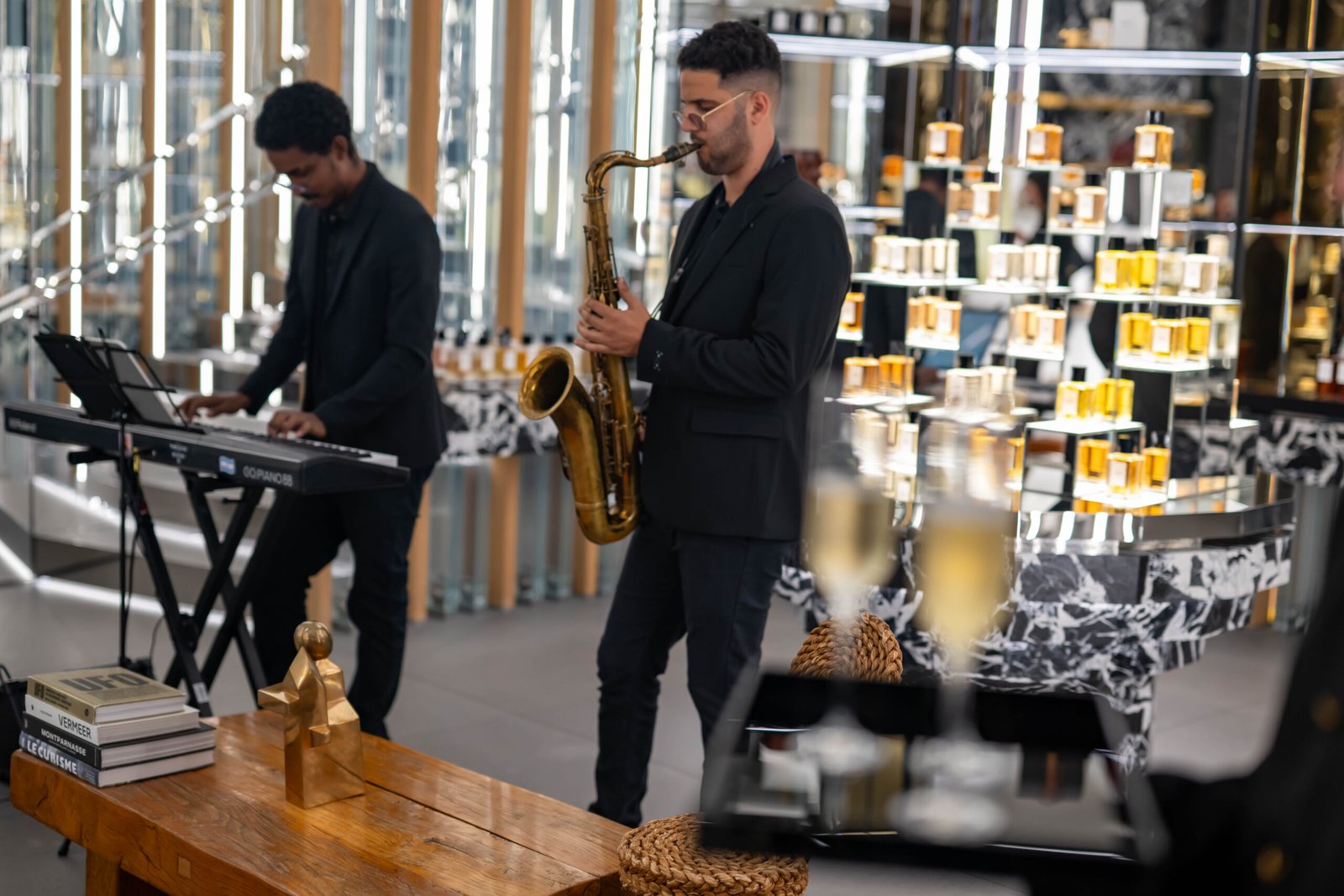
What we’ve learned is that luxury events succeed when they’re designed as complete experiences, not assembled from parts. Menu development, bar service, event design, staffing, and coordination all need to speak the same language. That’s what full-service catering actually means: not just covering the bases, but building something cohesive.
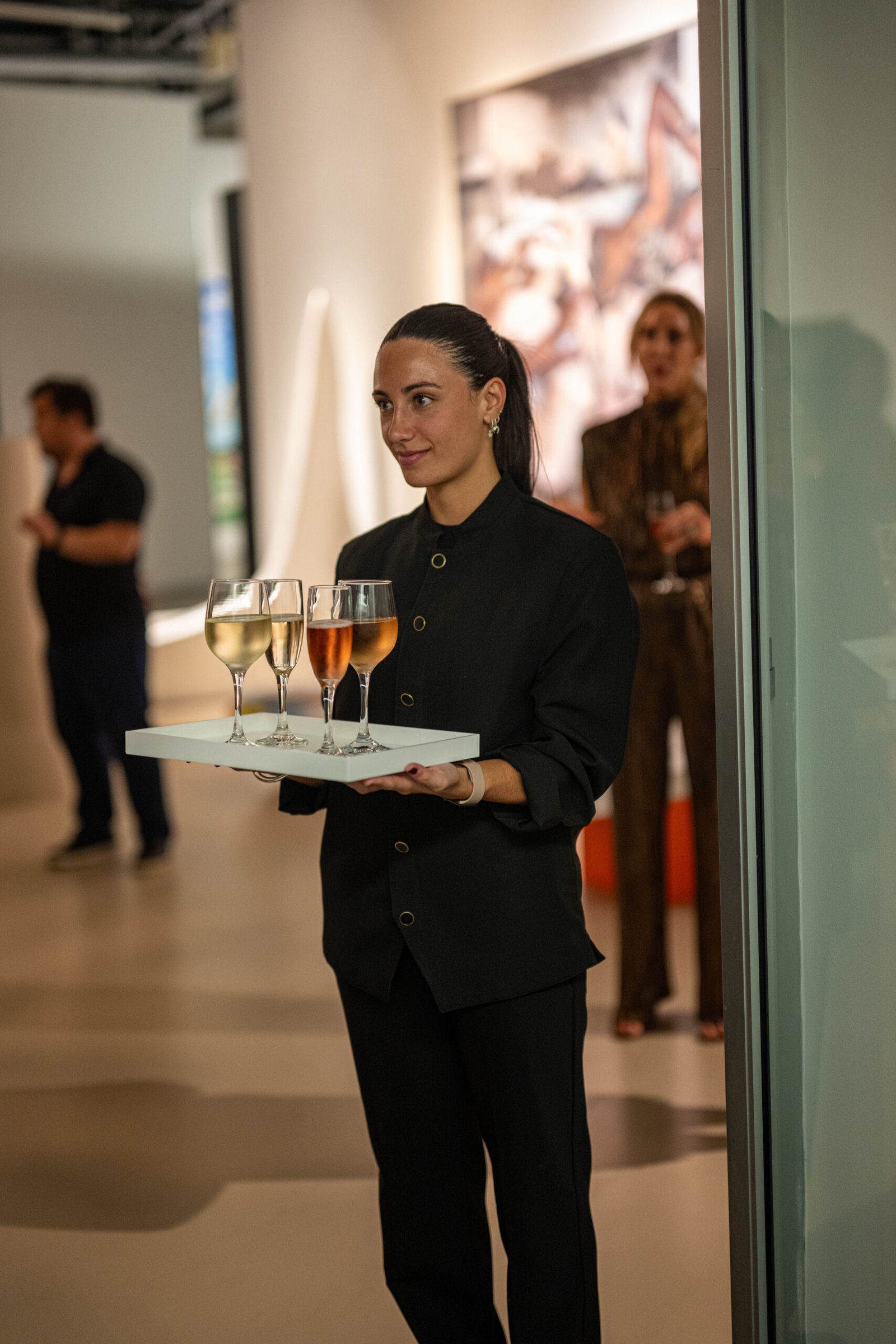
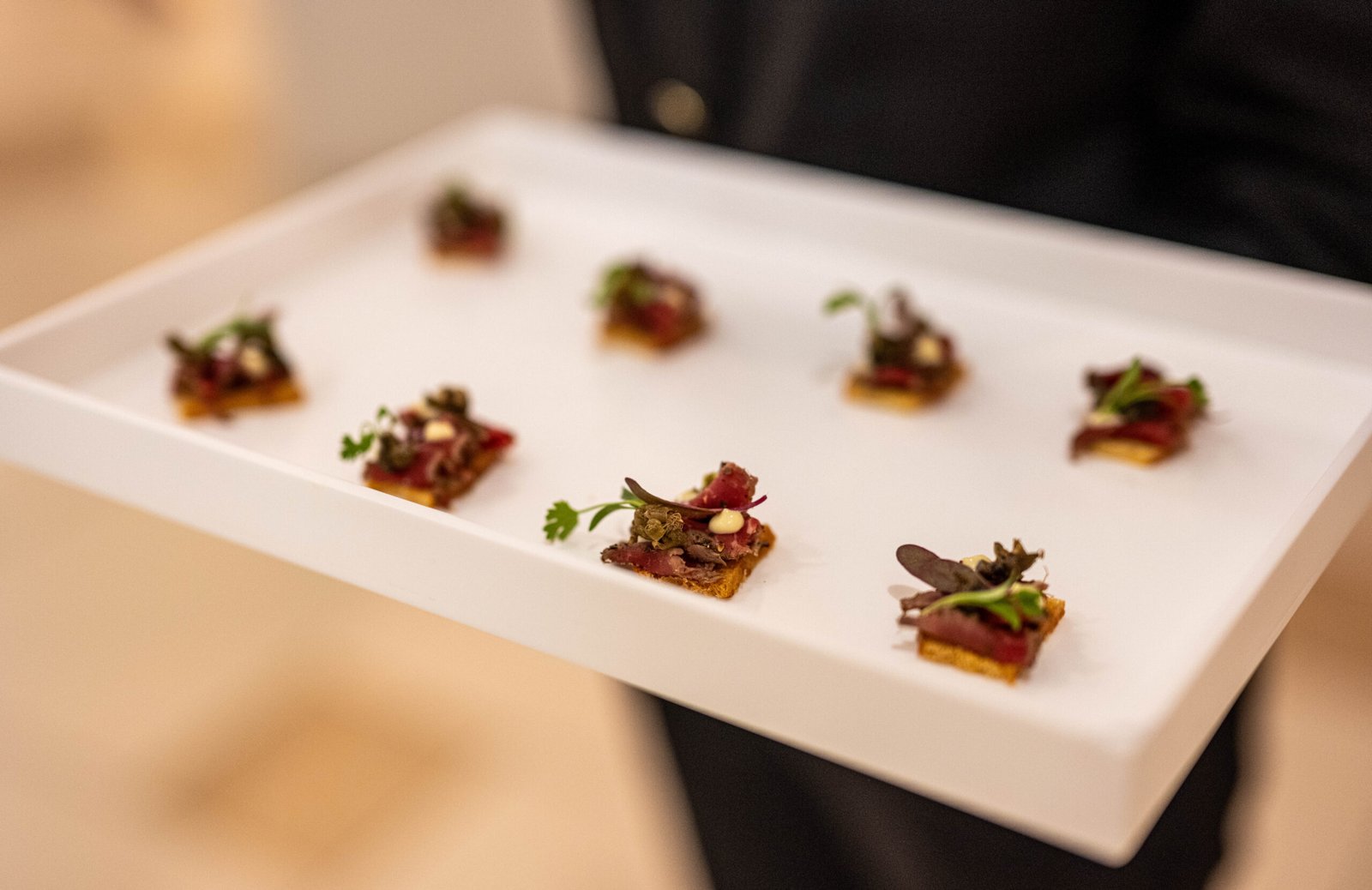
Over more than a decade working across Miami-Dade, Broward, and Palm Beach counties — at venues including Vizcaya Museum & Gardens, Bal Harbour Shops, the Riverside Wharf Penthouse, and for clients including Dior, Ferrari, Spotify, Saks Fifth Avenue, and the St. Regis Residences — we’ve watched this market evolve in real time.
What we’ve learned is that luxury events succeed when they’re designed as complete experiences, not assembled from parts. Menu development, bar service, event design, staffing, and coordination all need to speak the same language. That’s what full-service catering actually means: not just covering the bases, but building something cohesive.