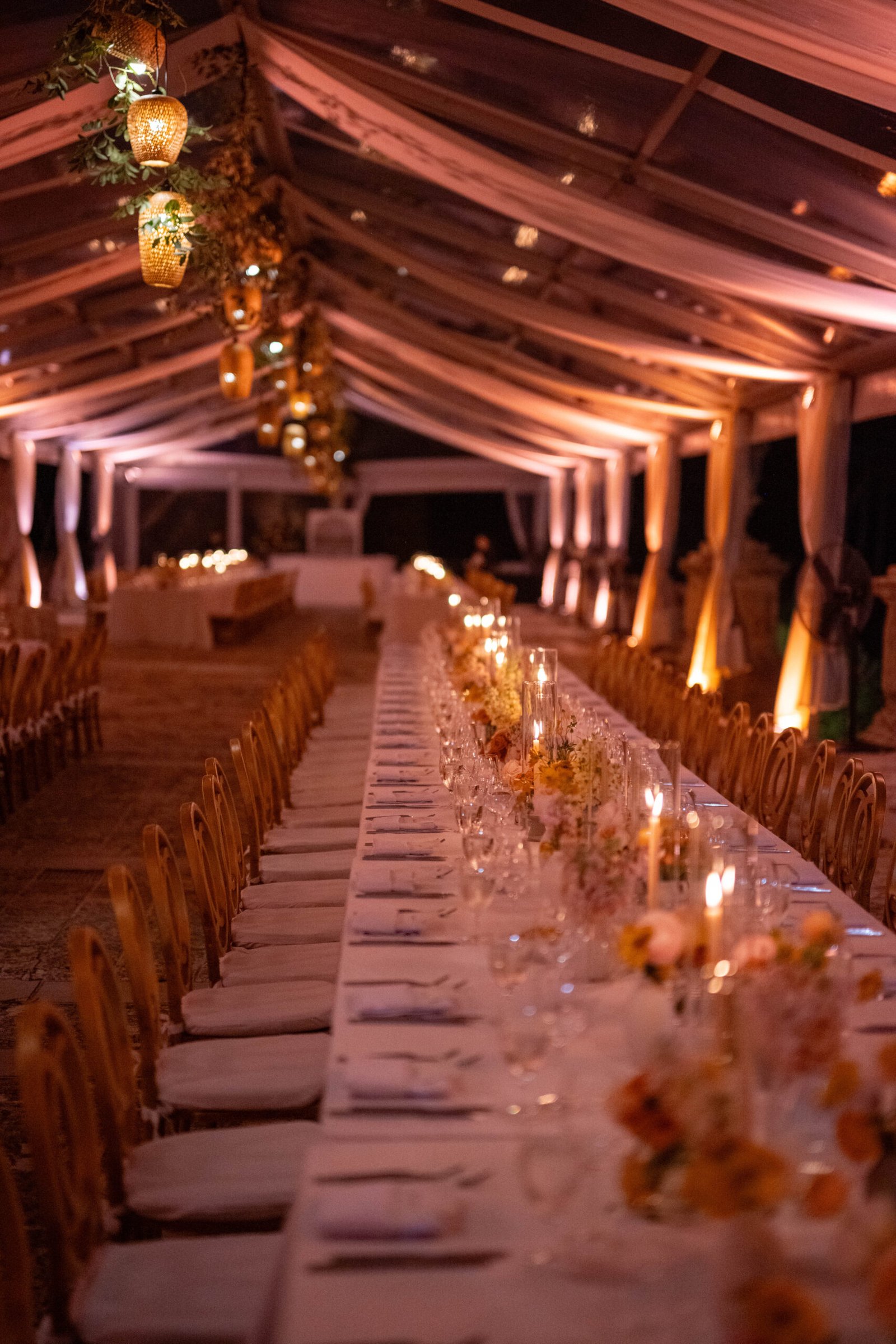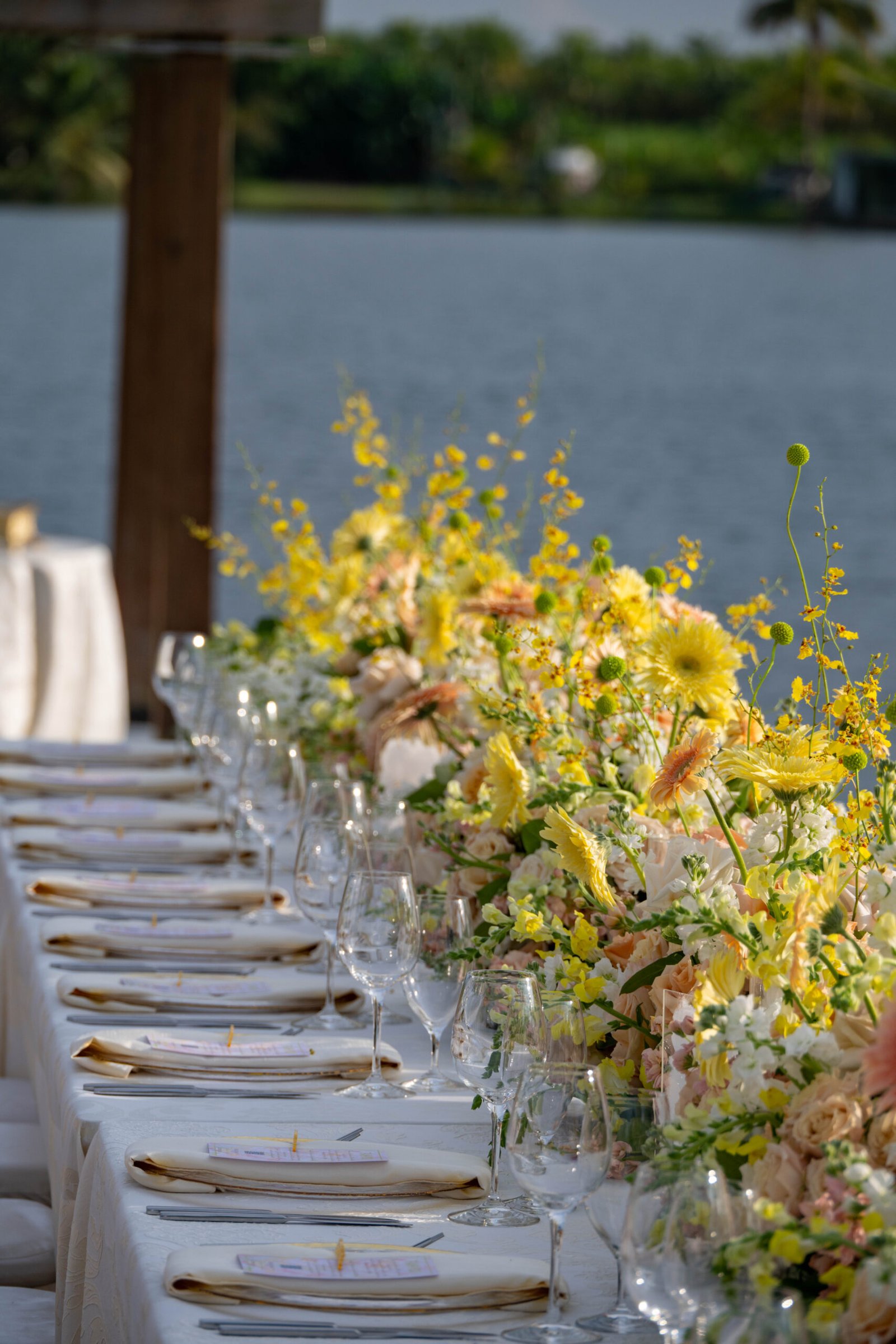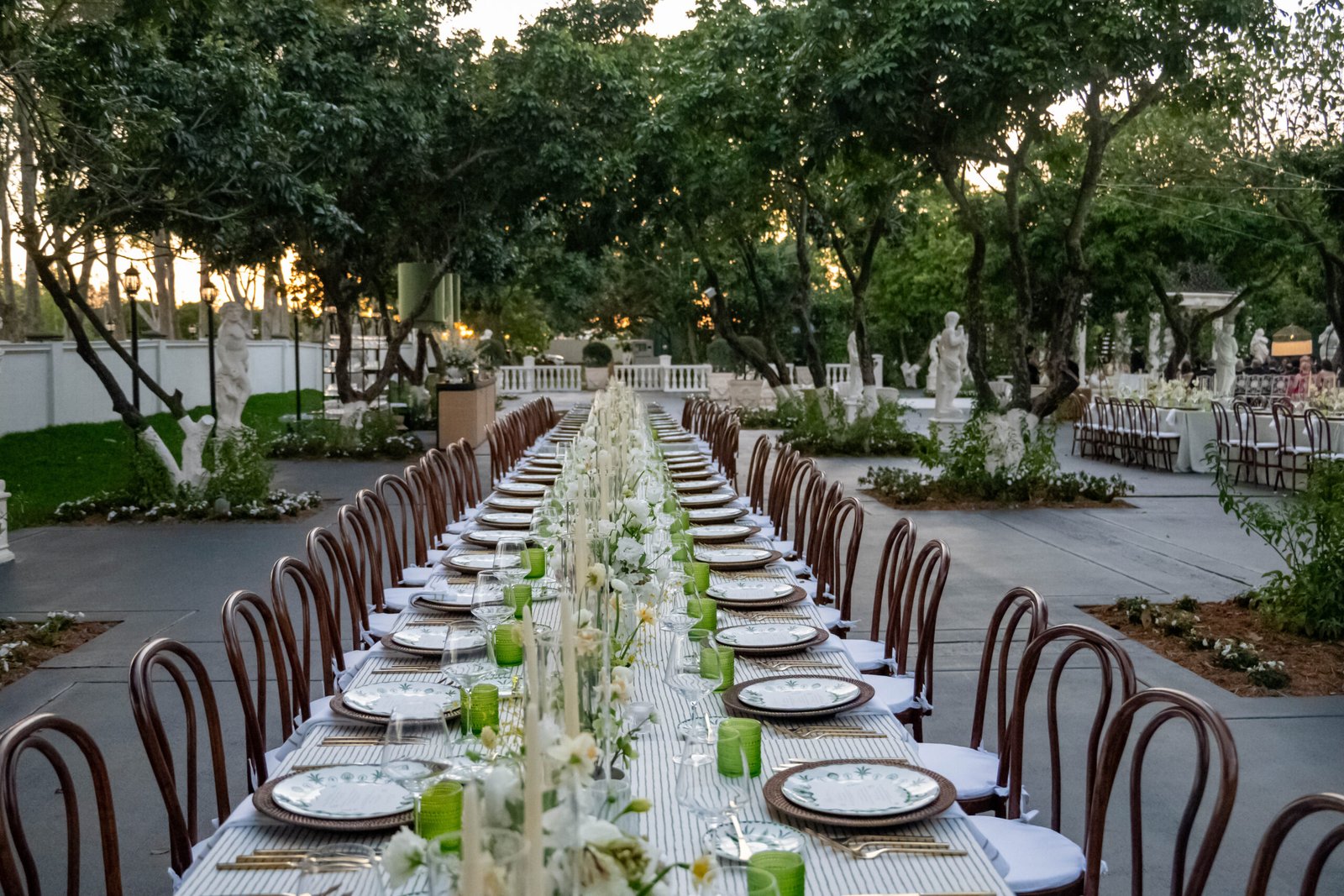
For a long time, the floral arrangement was the undisputed protagonist of the wedding table. Everything else — the linen, the charger, the glassware — existed in service of it. The flowers arrived, they were photographed, and the rest of the setting quietly did its job. That logic has shifted considerably. What couples, planners, and designers are building today is something more architectural, more deliberate, and far harder to reduce to a single element. The table itself has become the design object. And the way food fits into it — or is designed around it — has changed everything.
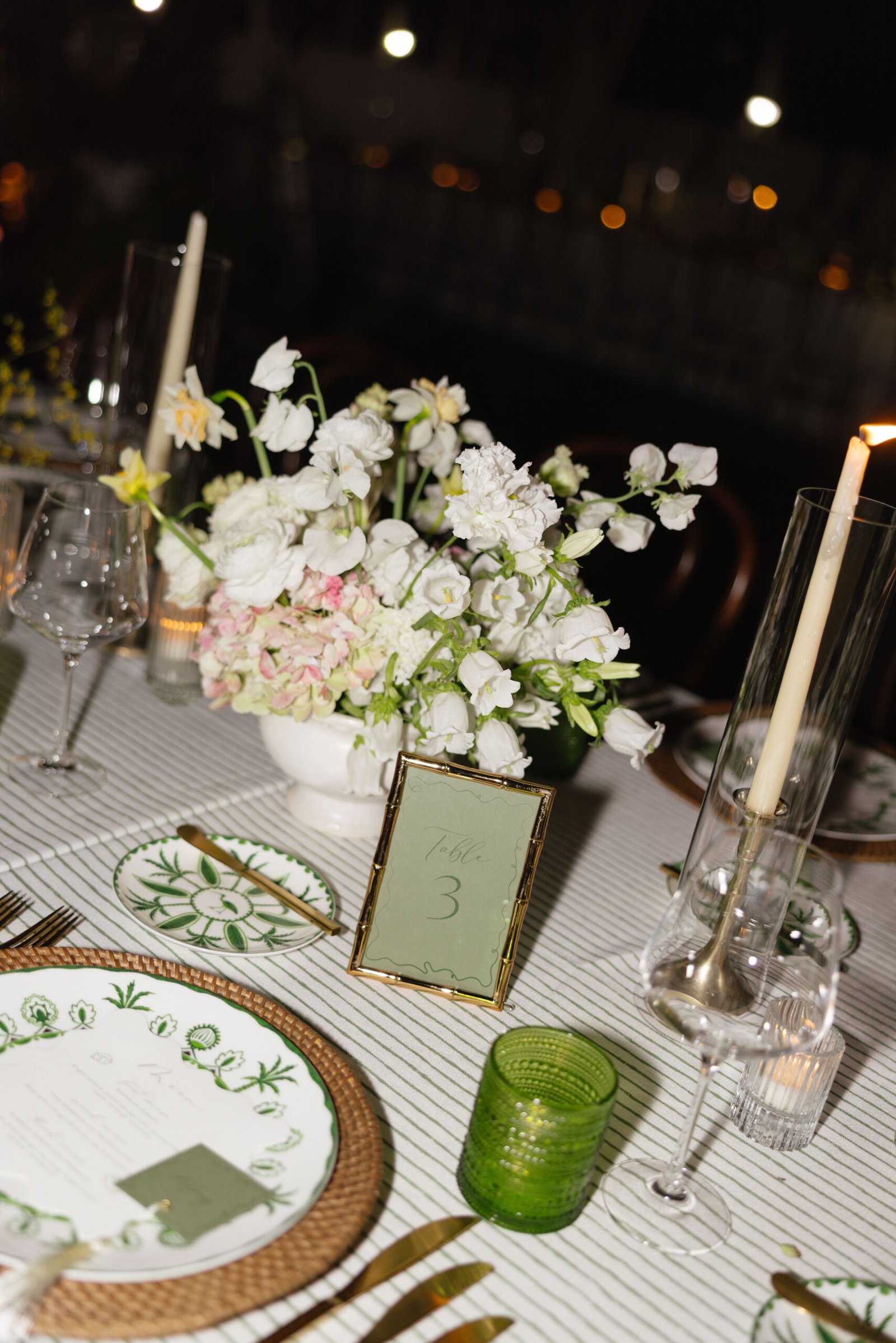
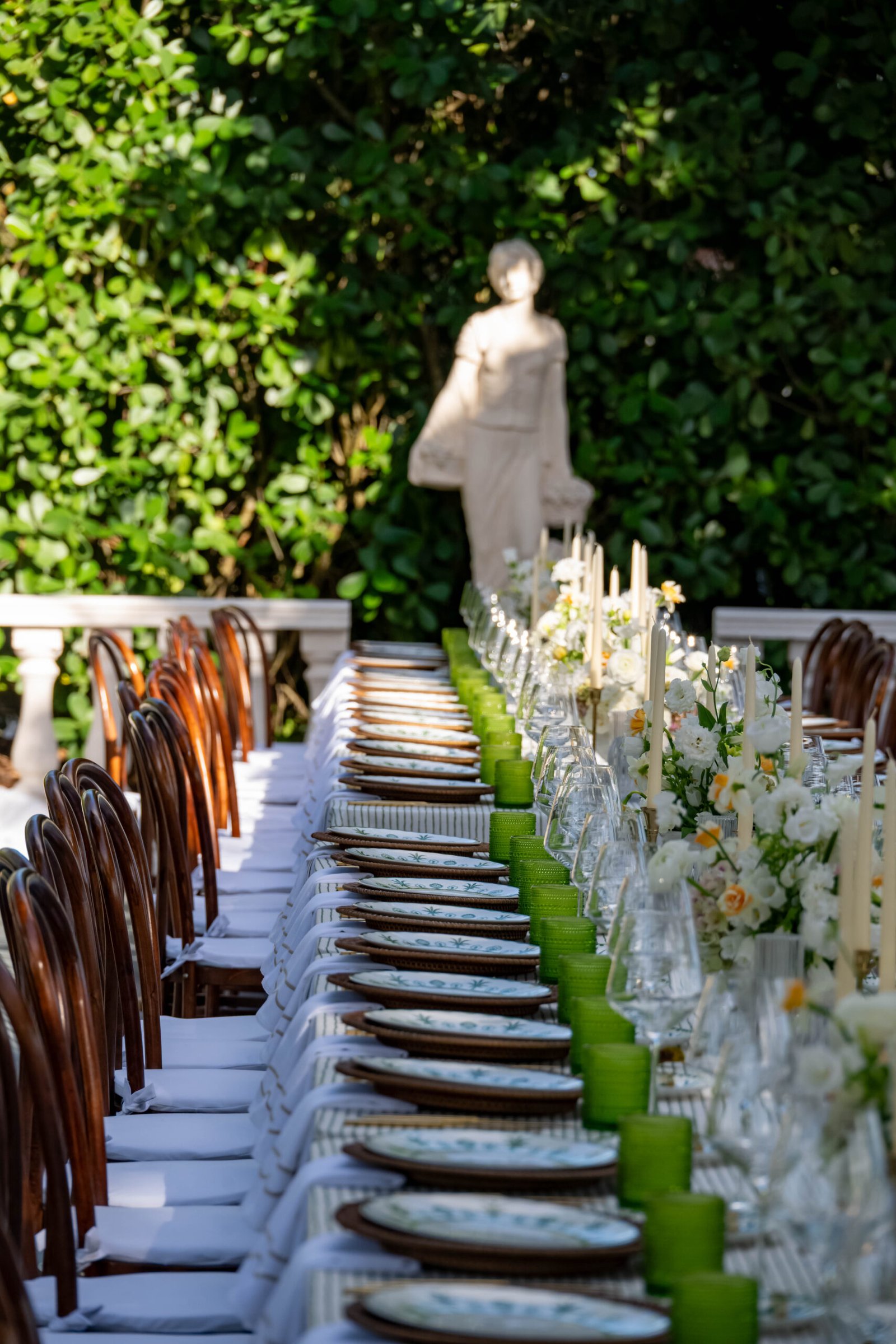
The shift isn’t just aesthetic preference. It reflects a broader change in how couples think about their wedding day. According to Vows & Visions Weddings, couples are increasingly treating their tables like editorial spreads, layering textures and materials to create depth and interest — patterned linens, sculptural chargers, colored glassware, mixed metallics — where each element is chosen not just to fill space but to tell a story. The table, in this framework, is not a surface. It’s a composition.
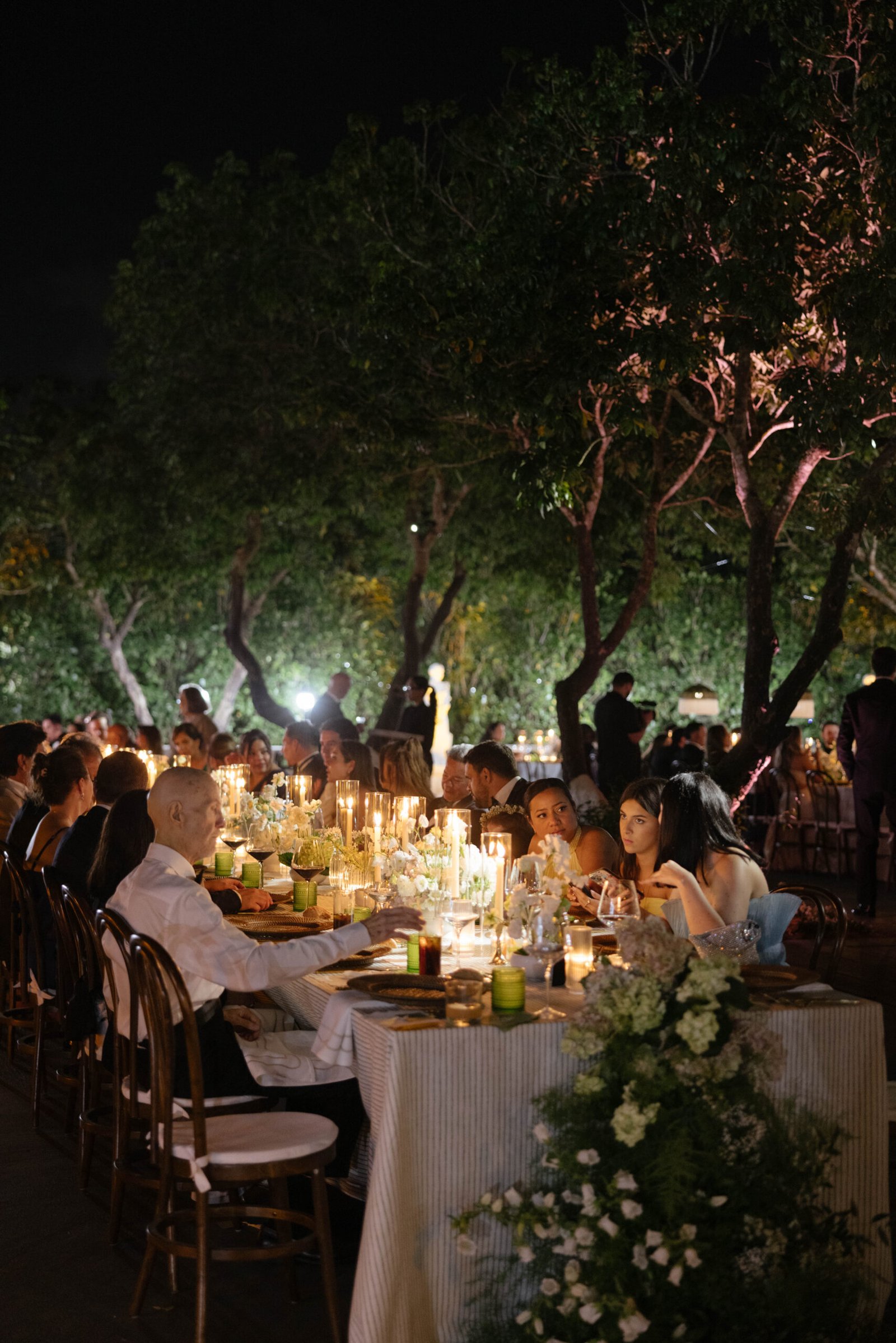
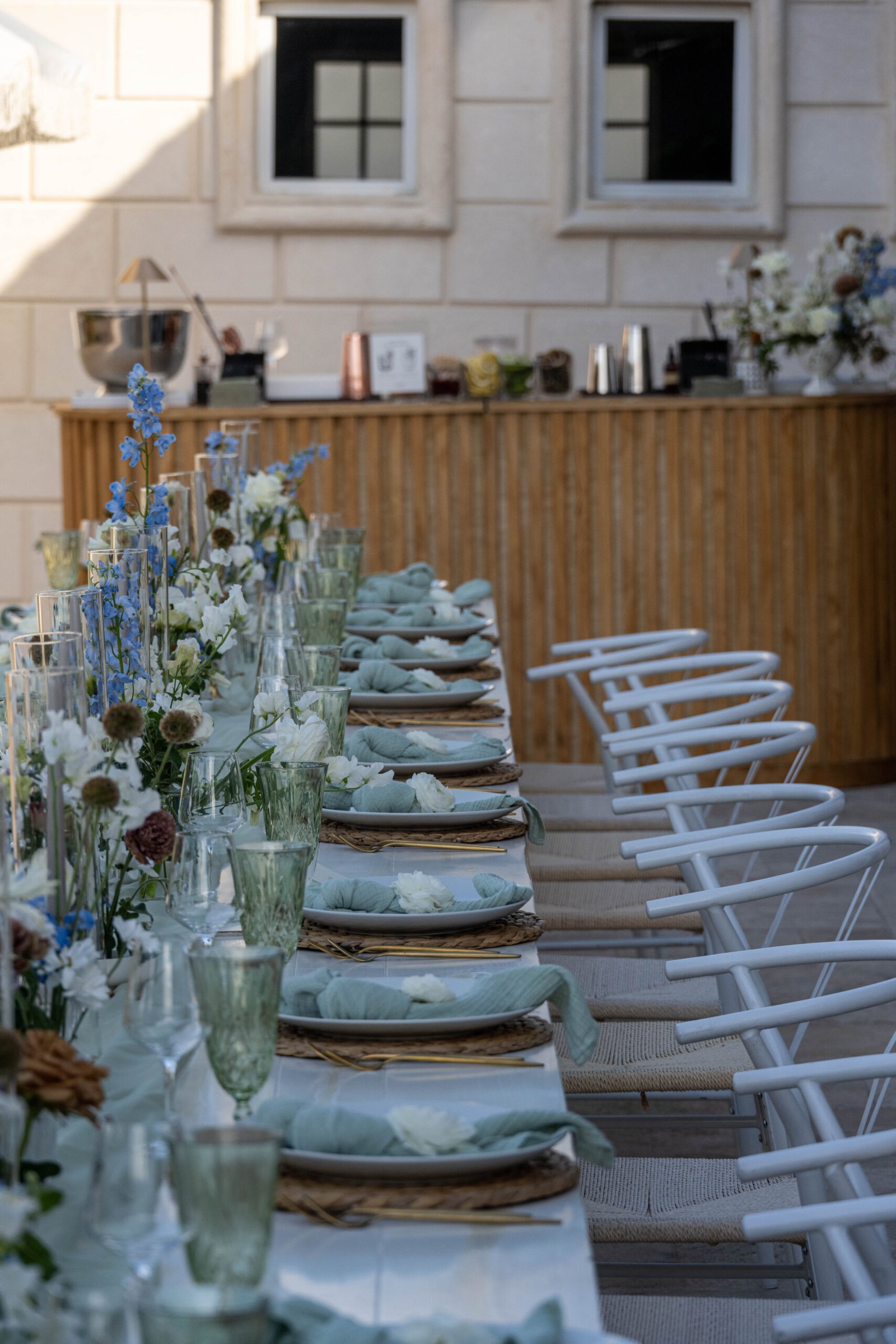
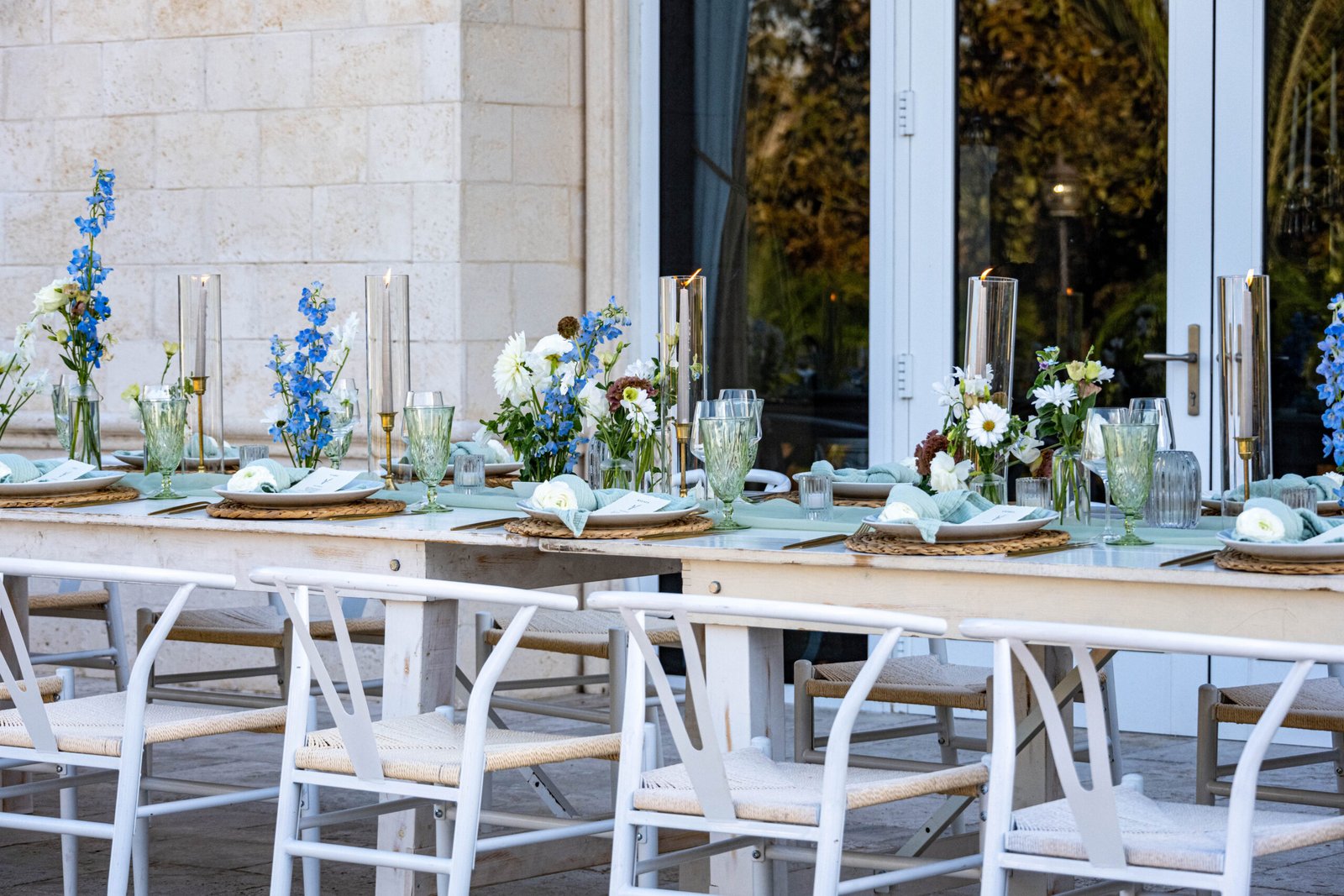
This is where the conversation between catering and event design becomes genuinely interesting. Luxury event designer Michelle Cousins, quoted in *Utah Bride & Groom*, makes the point plainly: the minute a table is fully set, it immediately looks like the couple invested more — and thought more — about the experience they were creating. The implication is clear: the completeness of the table setting, down to the charger style and the napkin fold, communicates intentionality. And intentionality, at the luxury level, is the whole point.
The trend lines for 2026 reinforce this. *The Wed* reports that the most forward-looking wedding designers are moving away from elaborate floral centerpieces as the default anchor and toward one or two jaw-dropping sculptural installations that set the tone for the entire room — while the tables themselves carry the visual weight through layering, texture, and material contrast. The flowers are no longer asked to do all the work. The table is. And when the table is designed that way, the food that arrives on it needs to meet that standard — in plating, in presentation, in the care with which it’s been thought through.
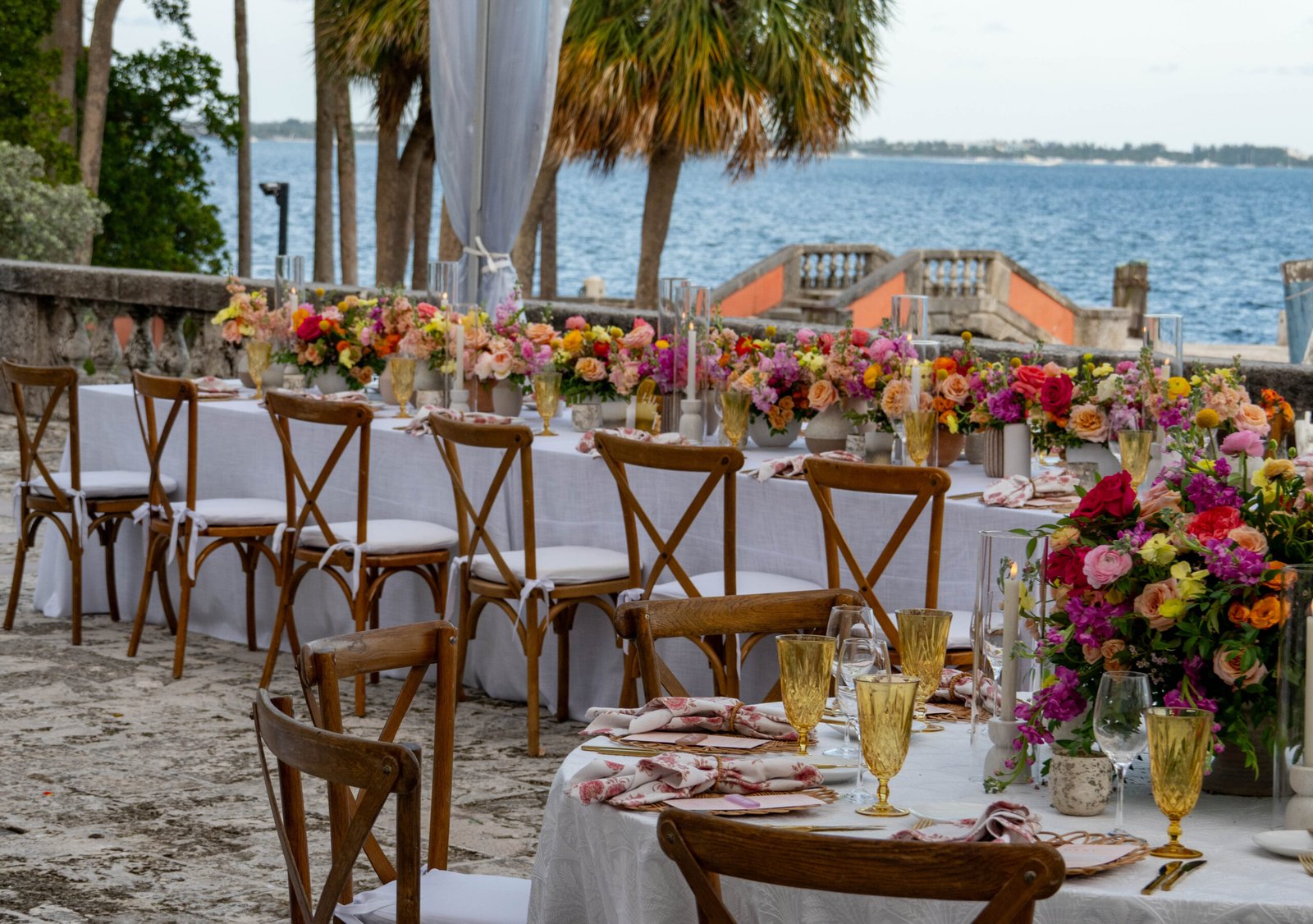
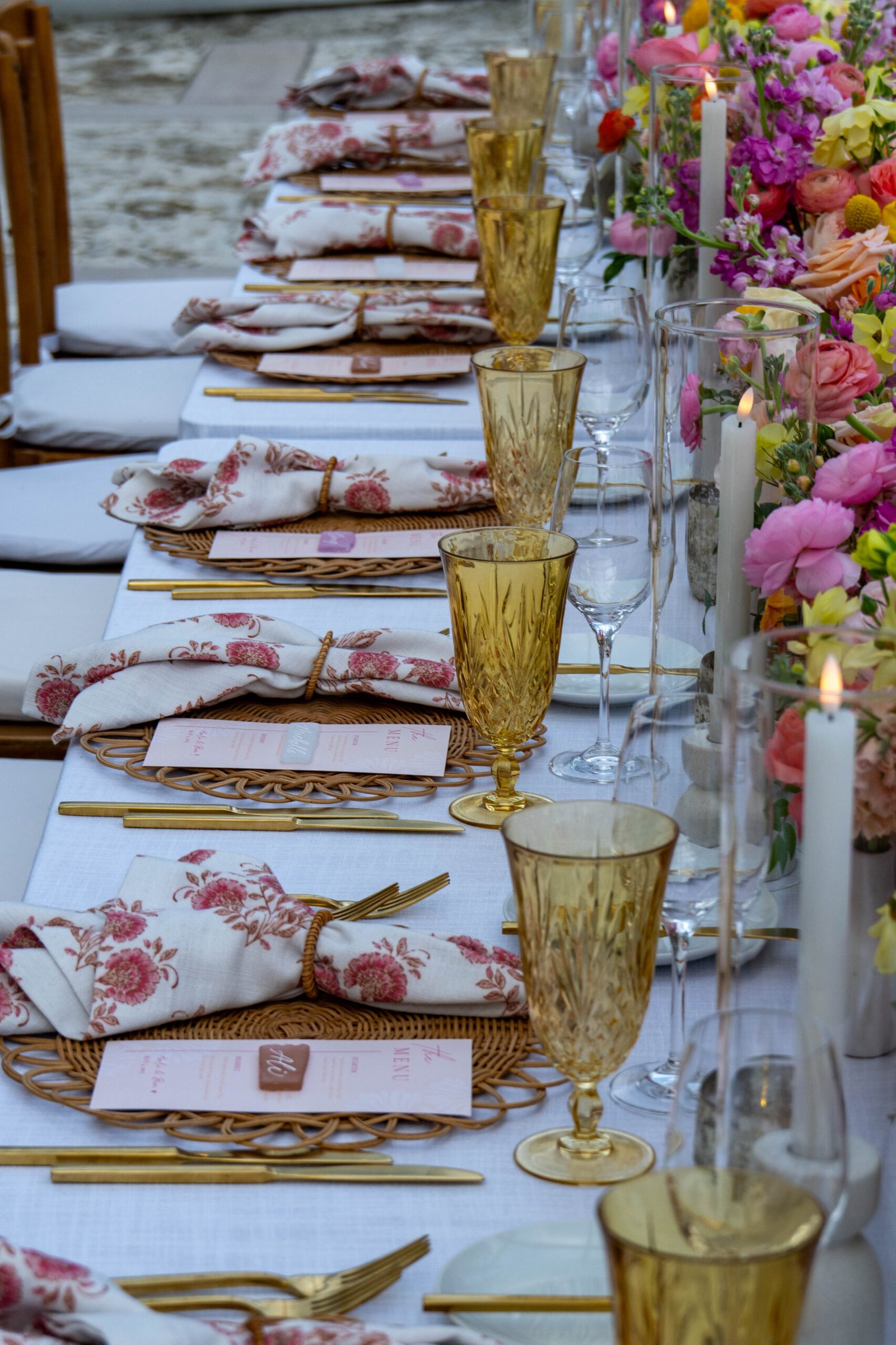
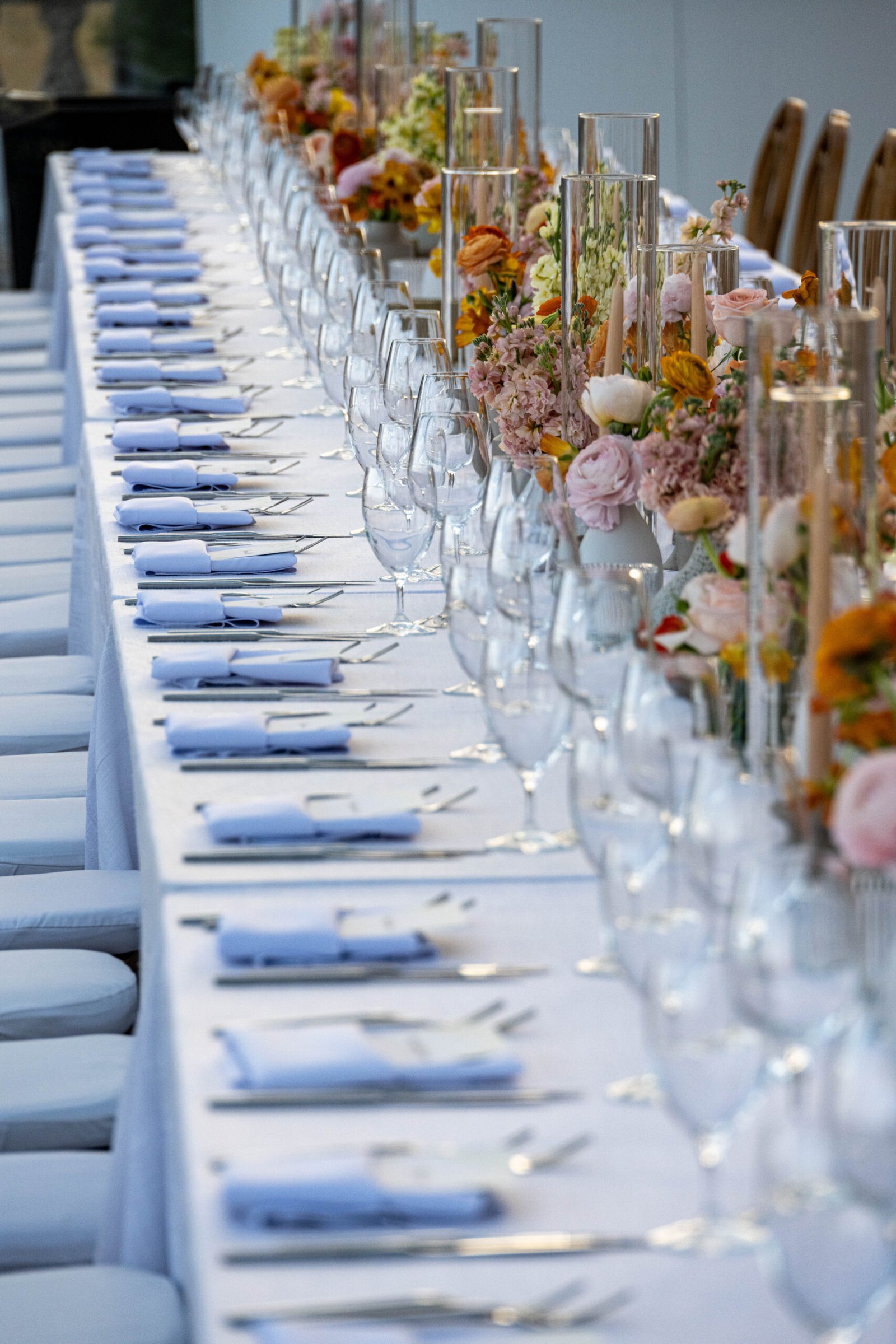
That alignment between culinary presentation and table design is something that only happens when the catering team is brought into the conversation early enough to be part of it. The charger informs the plate, which informs the plating style, which informs how a dish looks when it lands in front of a guest mid-reception, candlelight catching the rim of a custom glass. It is, genuinely, a full-room problem — and the couples who understand that tend to end up with events that look and feel entirely cohesive, rather than beautiful in parts.
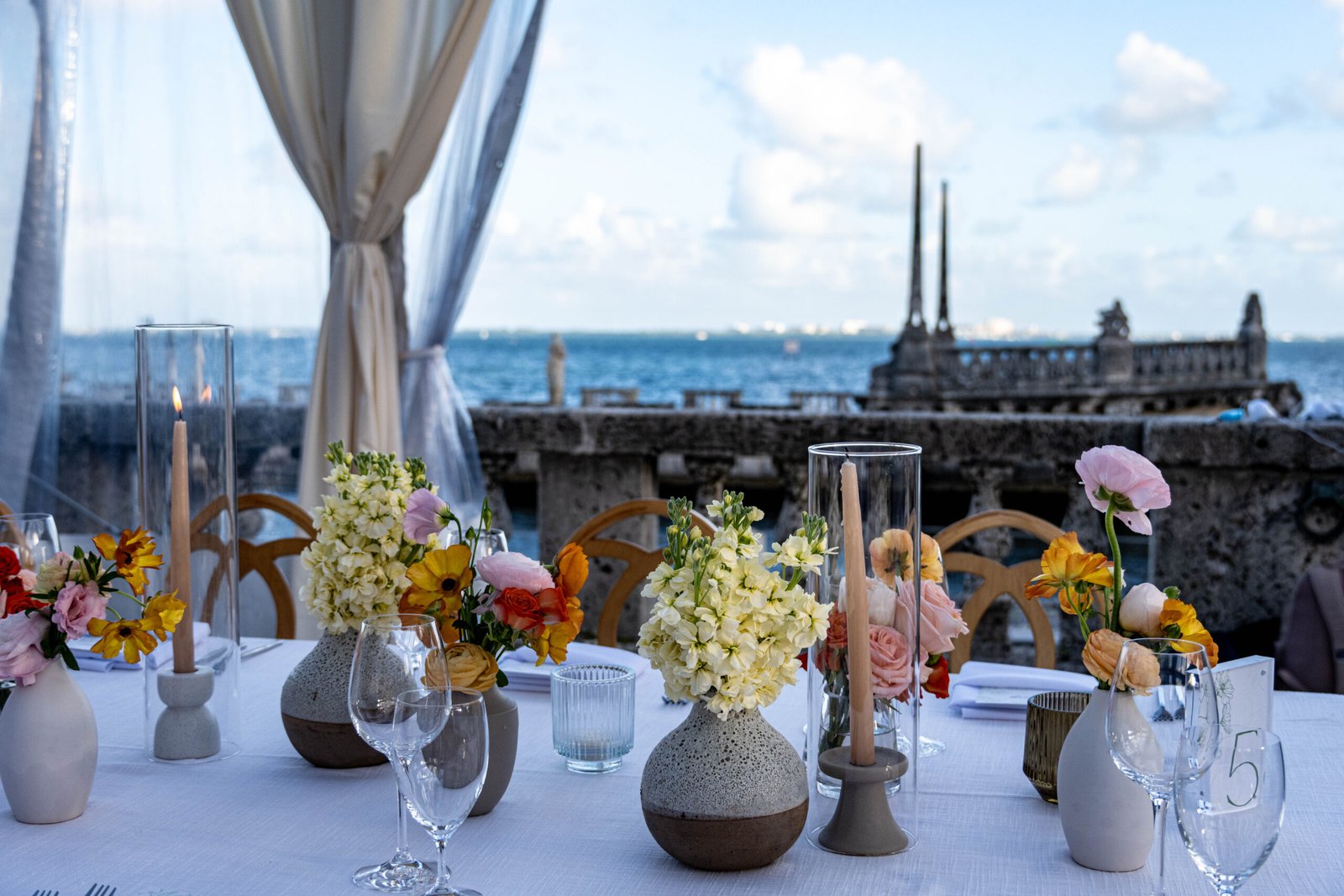
There’s also a practical argument buried in all of this: the table is the one element every guest interacts with for hours. The ceremony is over in twenty minutes. The cocktail hour circulates and disperses. But dinner — the table — is where the evening settles, where conversations happen, where the experience slows down enough for every detail to register. Which means it’s also where the quality of the food, the elegance of the service, and the care behind the presentation are felt most directly. Not as a backdrop. As the experience itself.
The flower arrangement will always have its moment. But the table, understood in full — its layers, its materials, its food — is where a wedding actually lives.