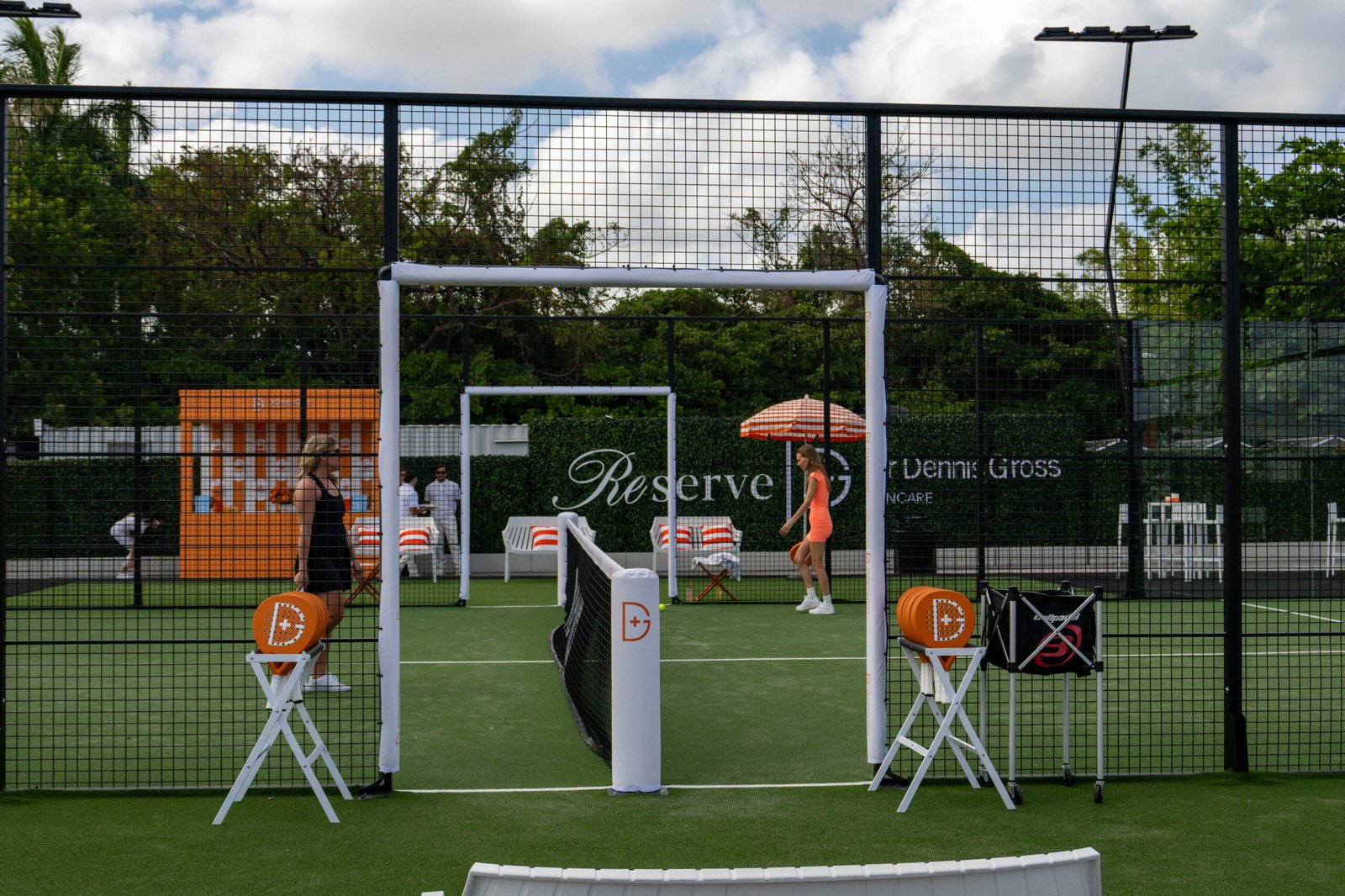
Miami is hosting seven FIFA World Cup 2026 matches at Hard Rock Stadium — group-stage games featuring Brazil, Portugal, Uruguay, and Colombia, a Round of 32, a Quarterfinal, and the Bronze Final. The first match kicks off June 15. The last one lands July 18. In between, the city will absorb what is, by any measure, one of the most concentrated windows of global attention it has ever experienced. International visitors, media delegations, corporate executives, brand teams, and decision-makers from dozens of countries will be in Miami simultaneously, moving through the same neighborhoods, staying in the same hotels, and looking — whether they admit it or not — for experiences that match the scale of the moment.
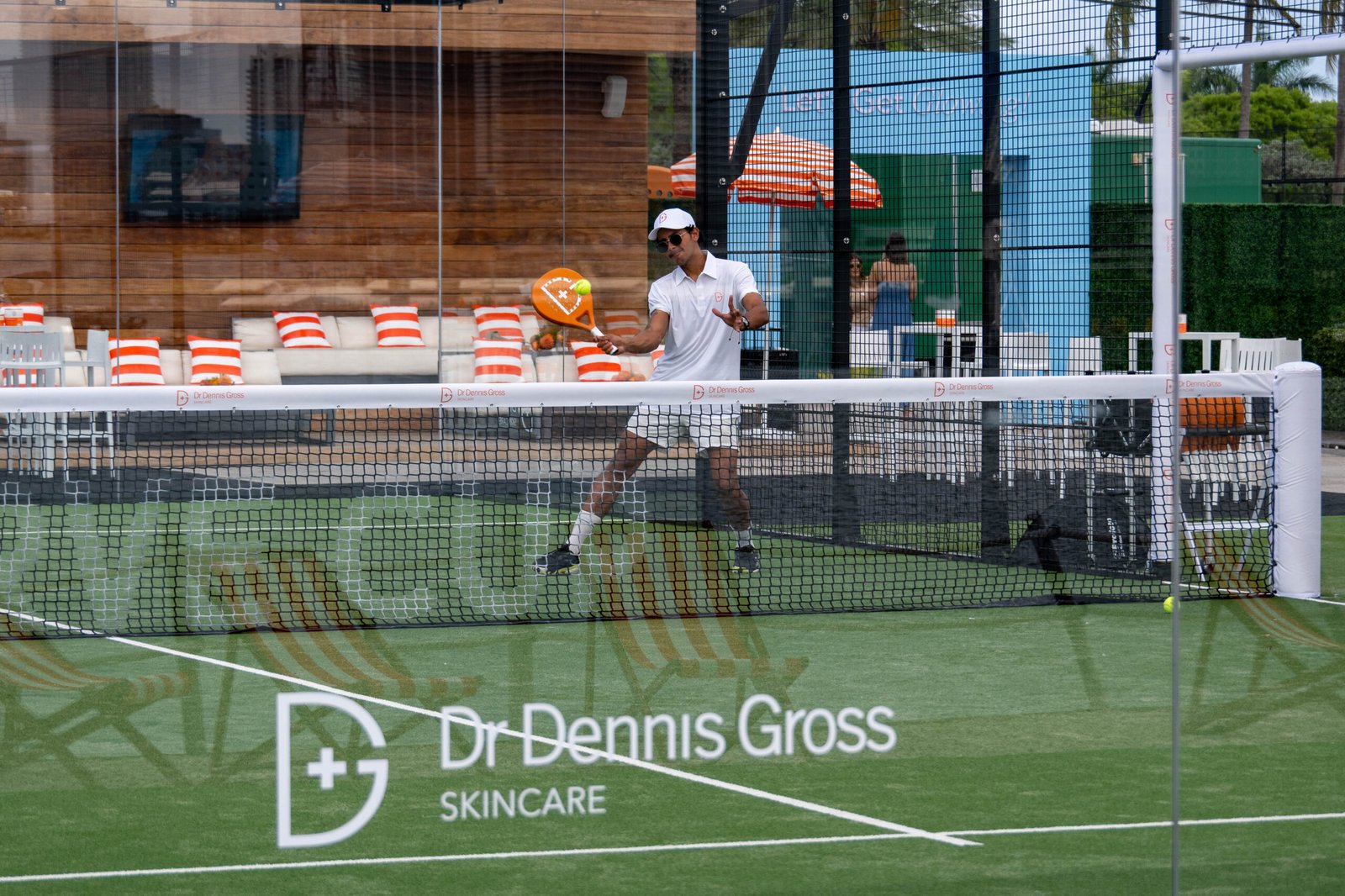
For brands with a presence in South Florida, this is not a passive opportunity. It is a window, and it is finite.
The conversation around the World Cup in business circles tends to default to the same categories: stadium suites, official hospitality packages, branded watch parties. Those formats have their place, and demand for them is already intense — FIFA’s official hospitality program, managed by On Location, reported packages selling at an unprecedented pace ahead of the tournament. But the most strategically interesting moves are happening elsewhere. As one experiential marketing analysis put it, the brands that win during the World Cup will not necessarily be the loudest — they will be the most operationally competent, the ones who built their strategy around how the city actually moves during a global event rather than how it looks on a slide deck. The real estate for meaningful corporate entertaining during the World Cup is not inside the stadium. It’s the five hours around it.
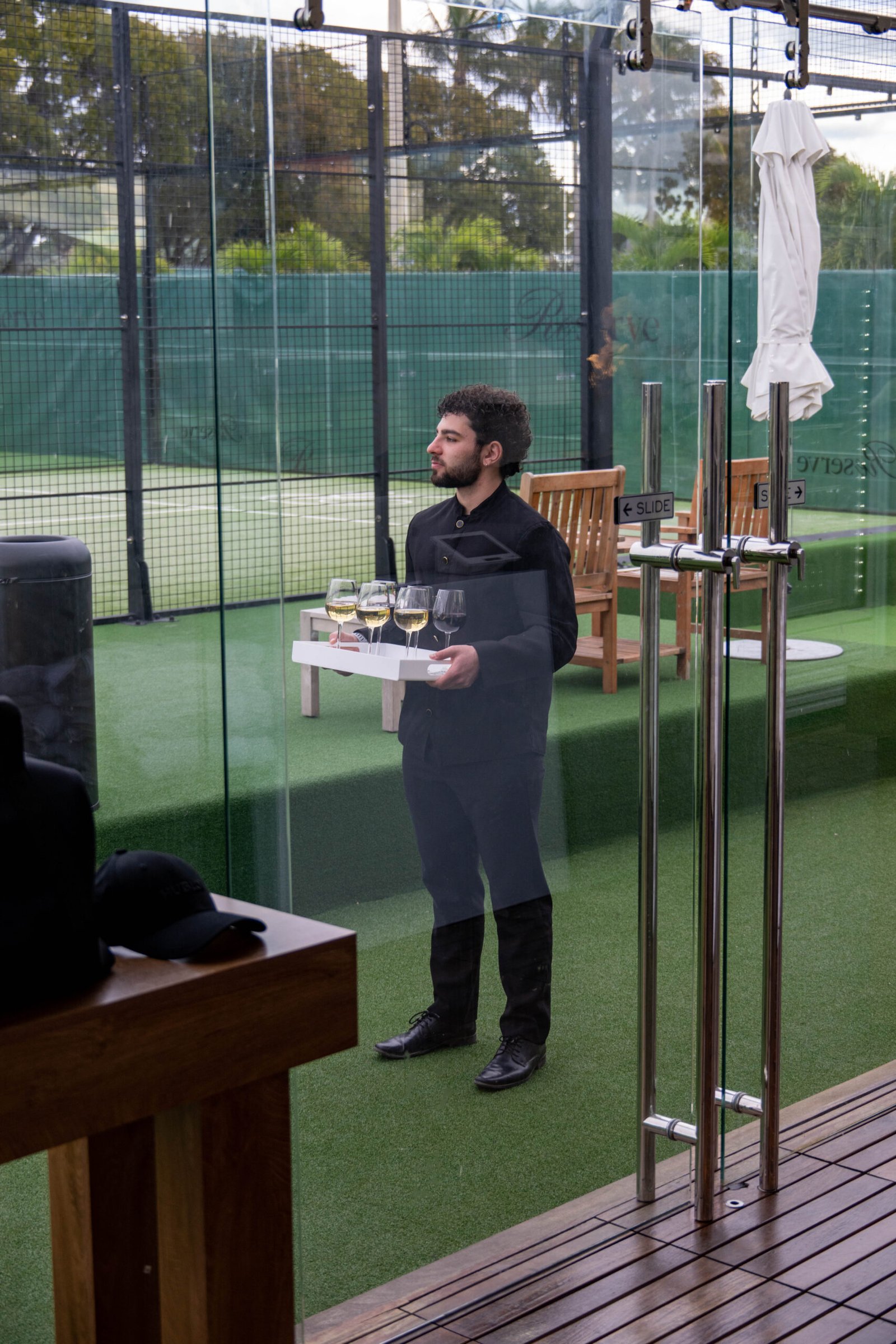
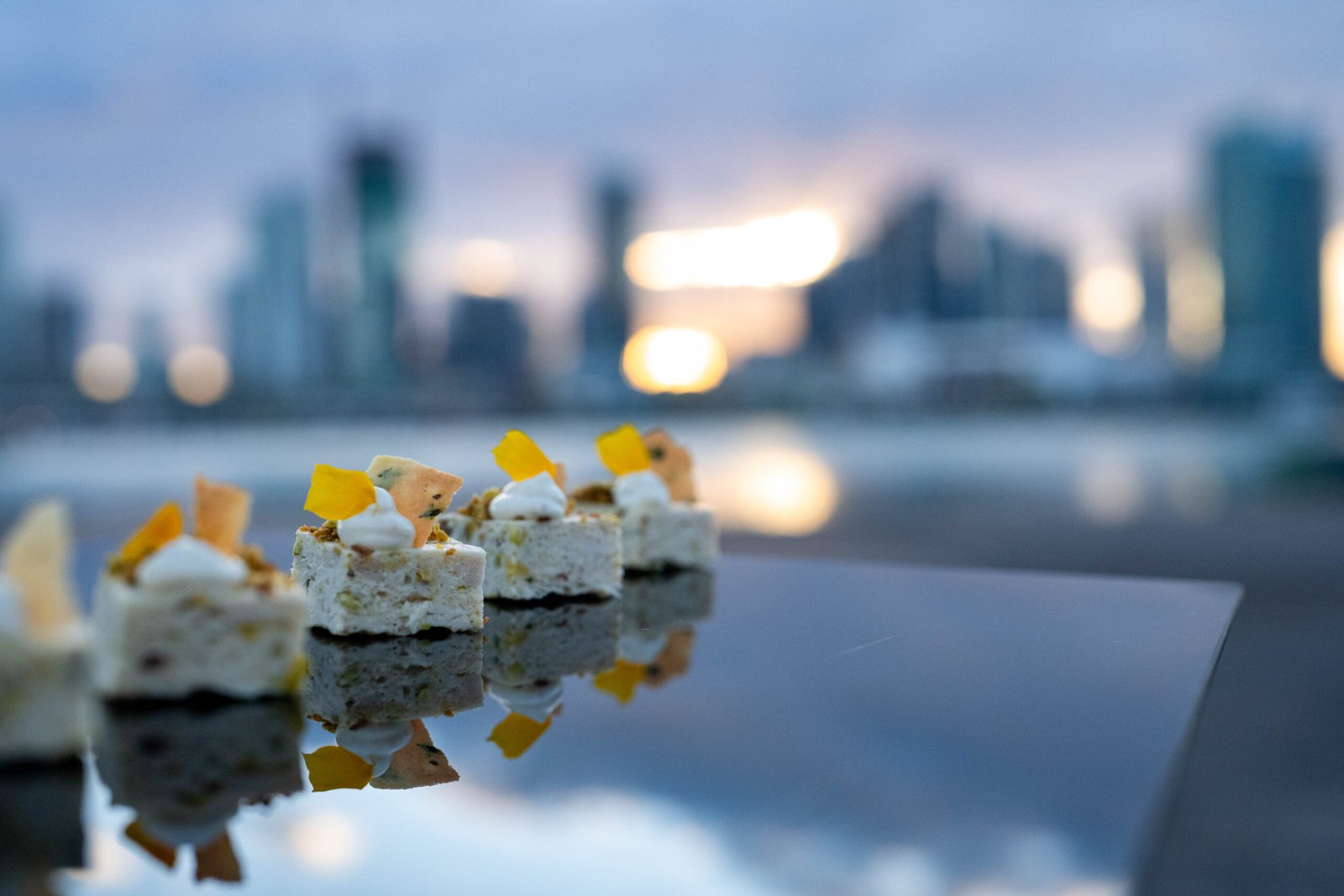
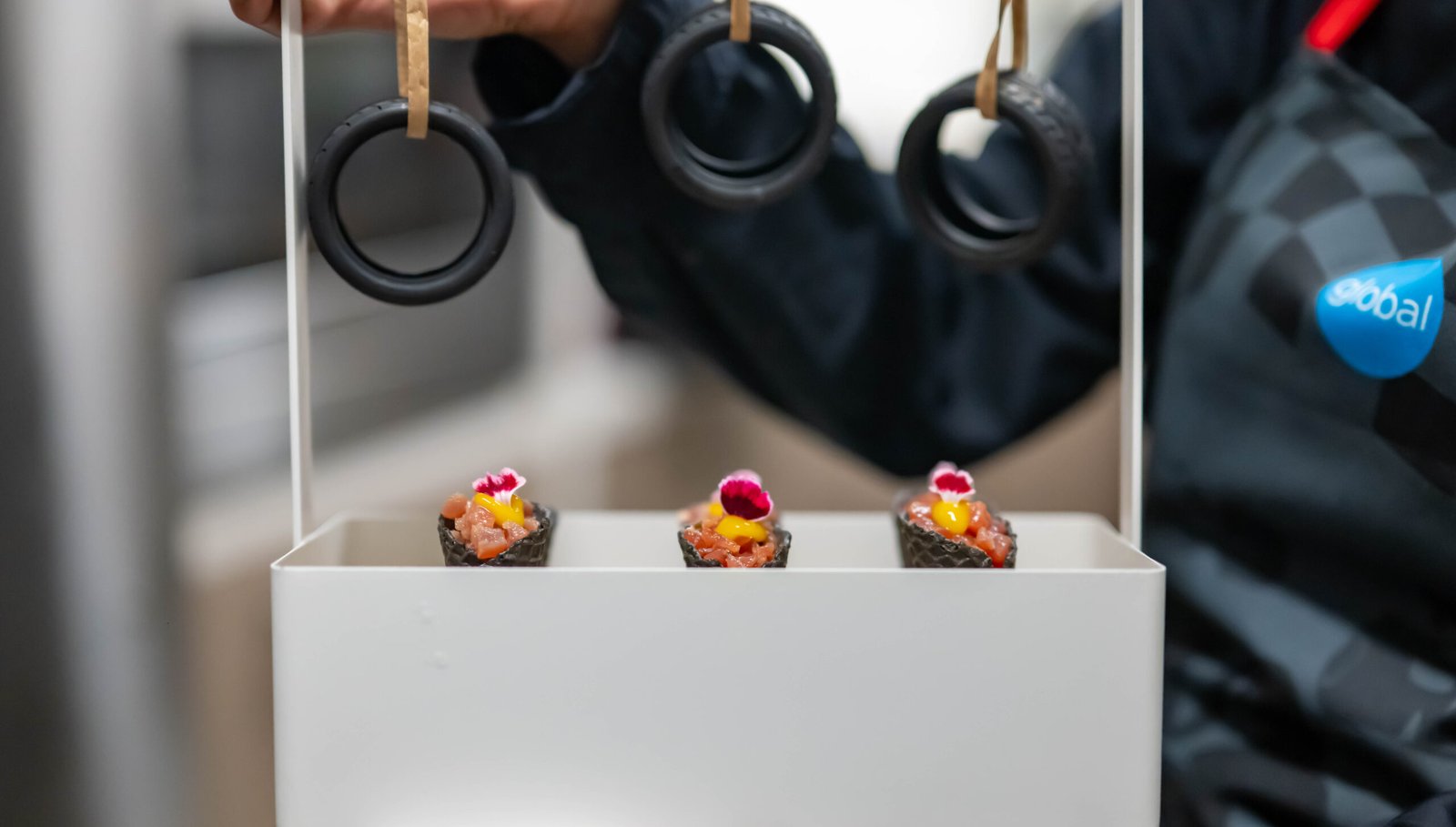
That window — the dinner before a match, the private reception after, the multi-day client program that uses the tournament as its anchor — is where the quality of the hospitality experience stops being a nice detail and starts being the actual point. A FIFA official hospitality report notes that today’s senior clients and high-net-worth decision-makers expect more than access. Access, in a moment when access is available to almost anyone with a corporate card, is no longer differentiation. What differentiates is the feeling the experience leaves behind. And that feeling is almost entirely a function of how the event was designed — the food, the service, the attention to sequence and tone — not the proximity to the pitch.
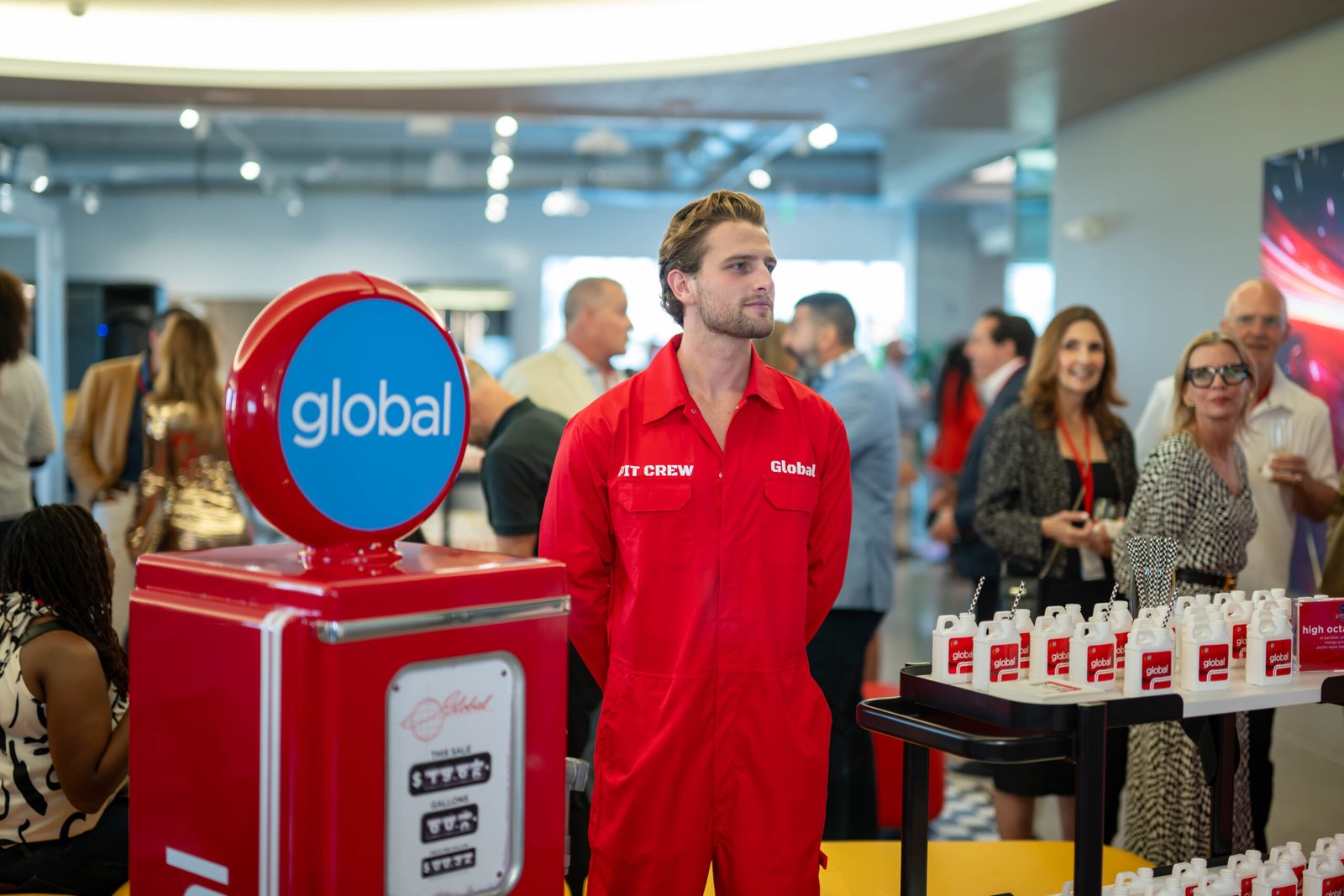
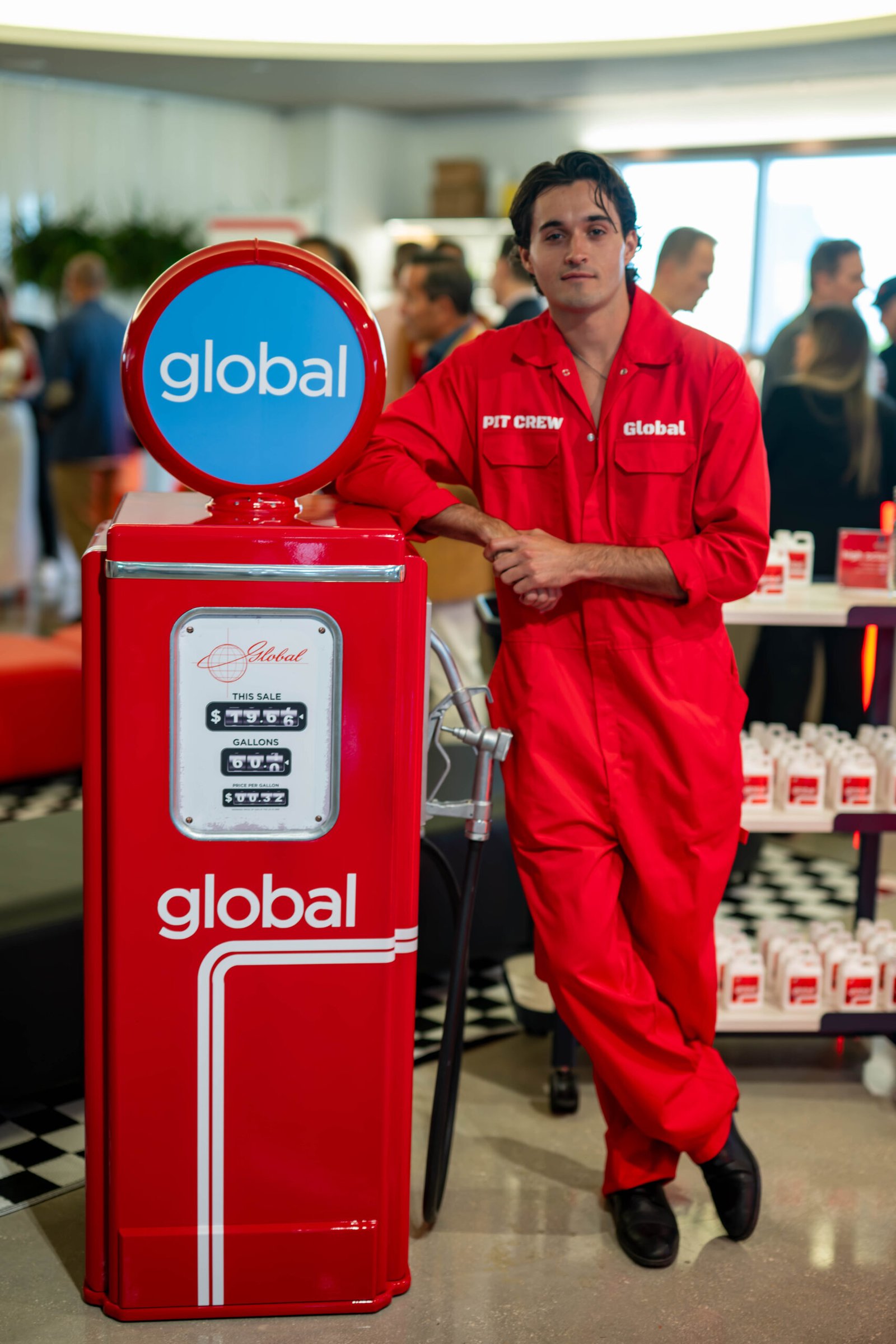
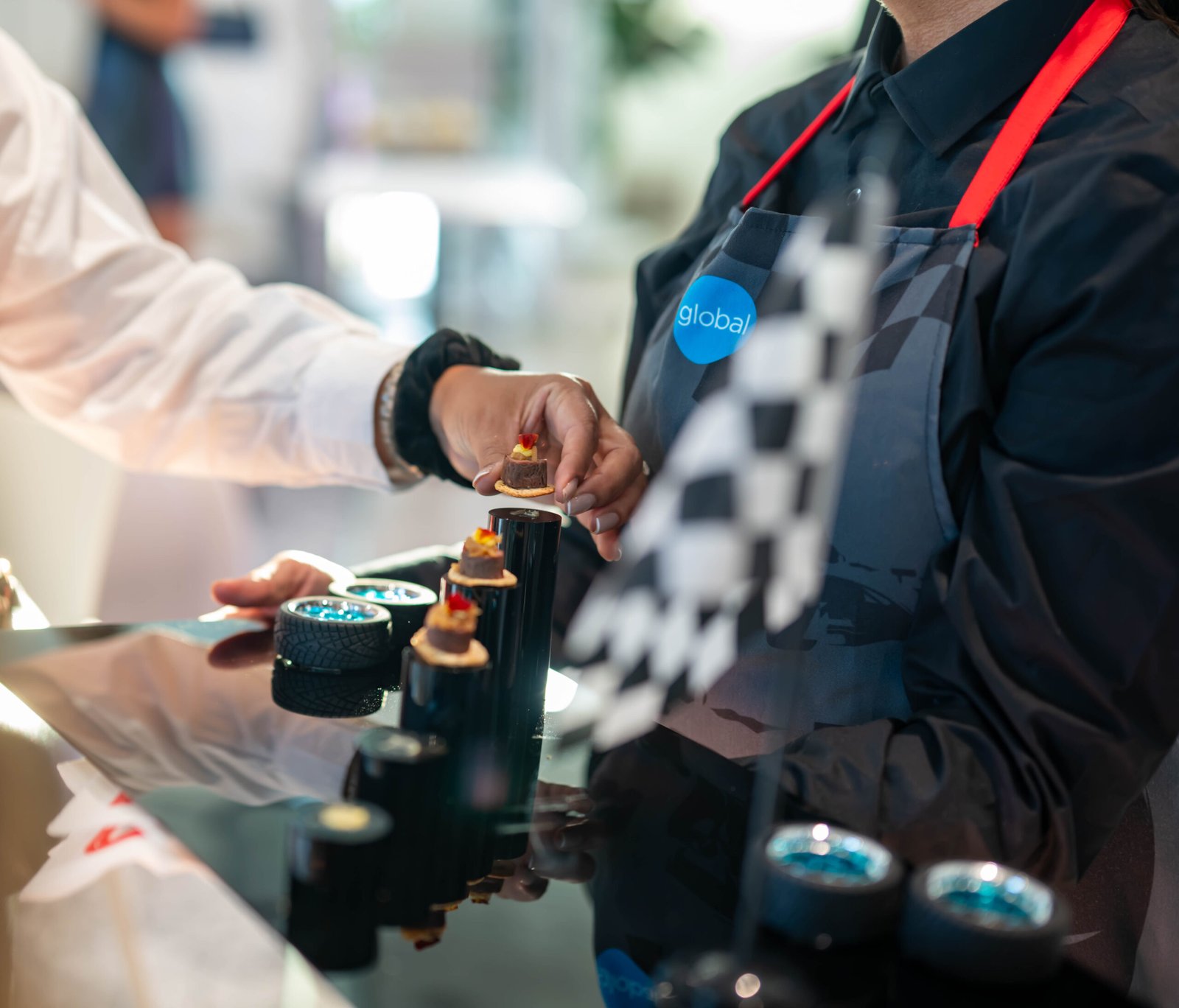
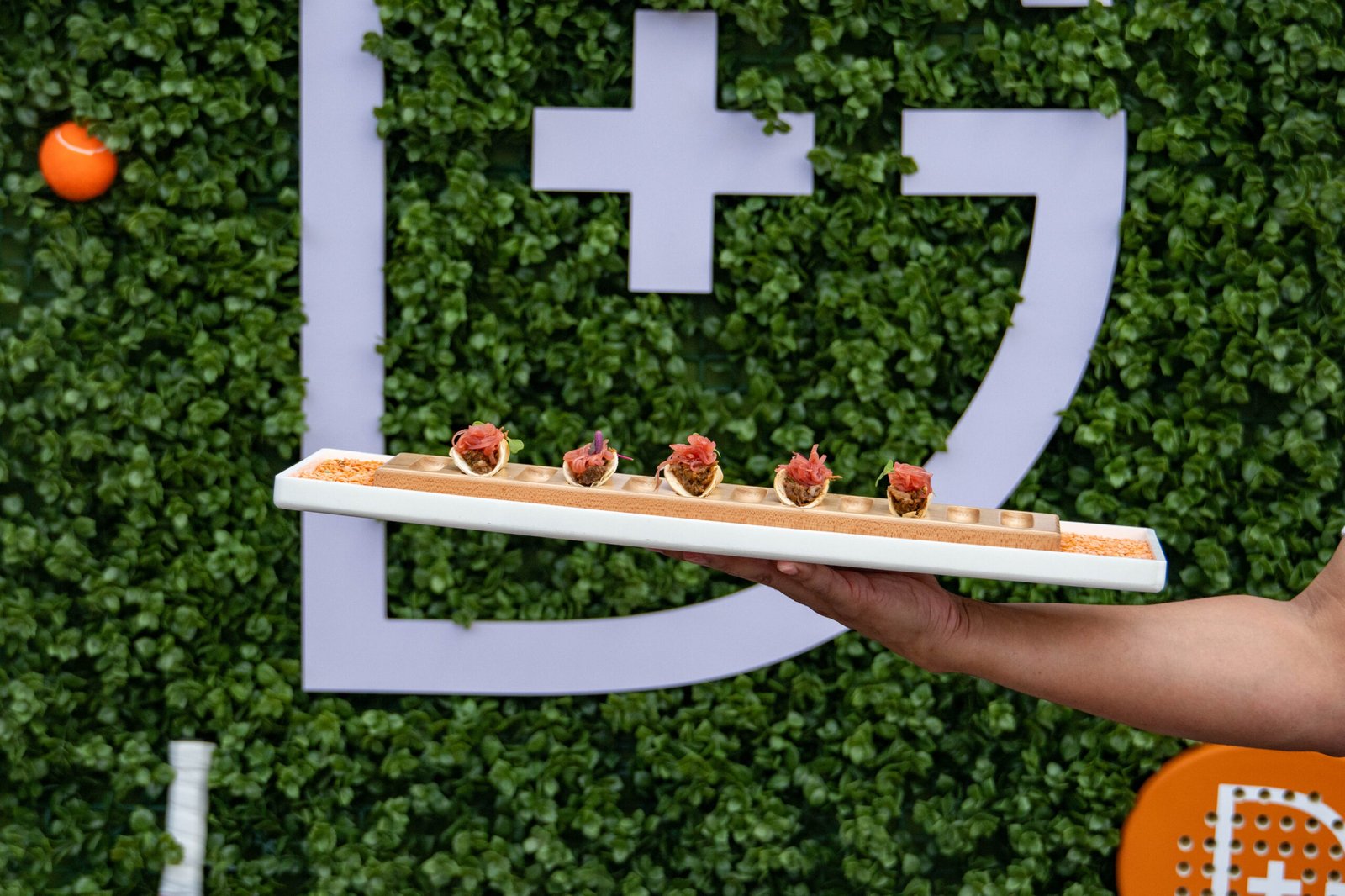
The implications for corporate entertaining in Miami during the tournament are specific. The audience in the room for any World Cup-adjacent event will be genuinely international in a way that a standard Miami corporate dinner is not. Brazil, Portugal, Colombia, and Uruguay all have matches here, which means the guest mix at any given pre-match reception could span cultures, languages, and culinary expectations simultaneously. That’s not a logistical complication — it’s an opportunity, if the catering is thoughtful enough to meet it. A menu designed with that audience in mind, executed at a level that reflects the caliber of the guests, is itself a statement about how seriously a brand takes the relationship.
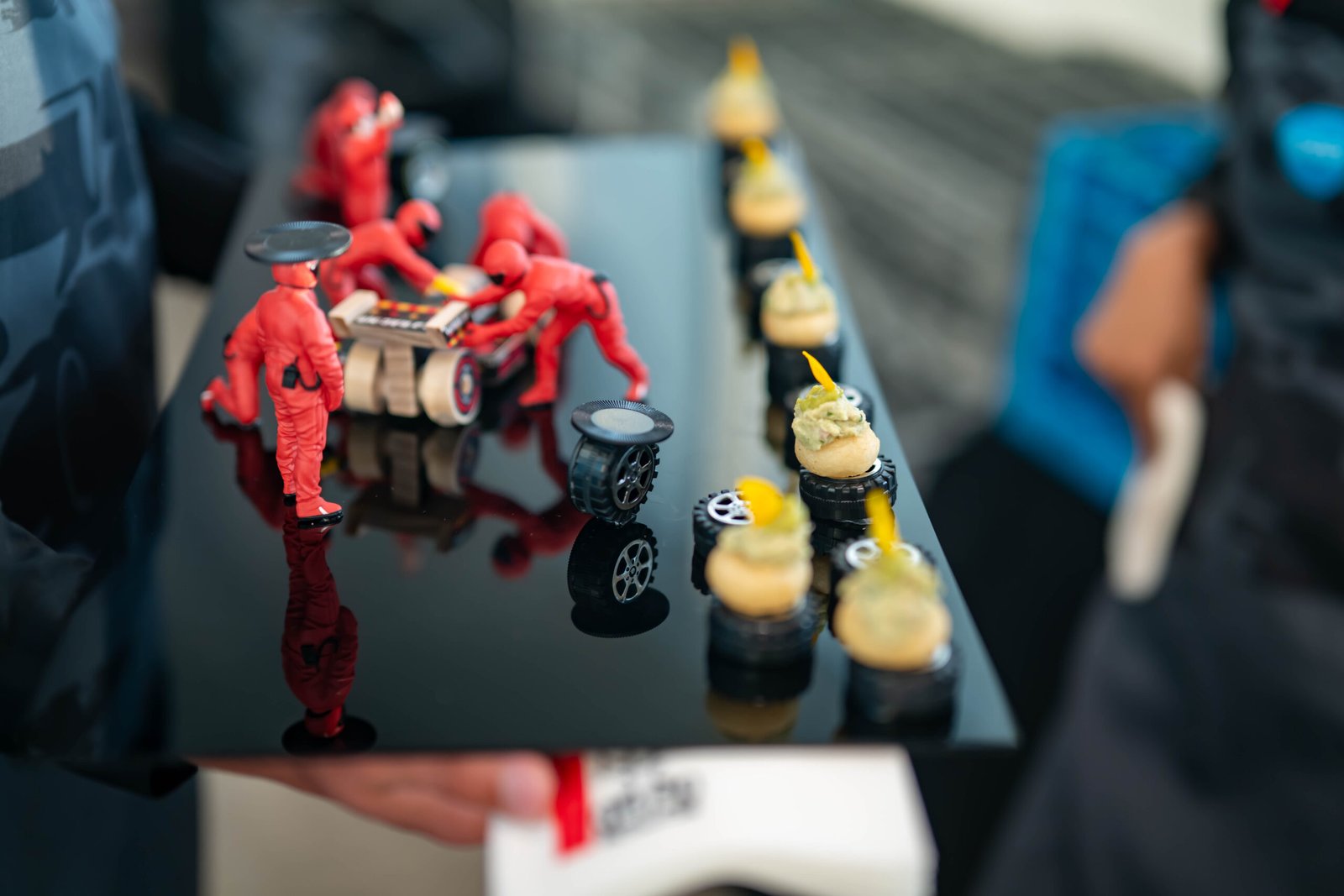
There is also a timing argument worth taking seriously. The Midway Event Spaces, writing specifically about brand strategy during FIFA 2026, observed that the most effective corporate experiences during global sporting events are the ones built around the match schedule rather than around internal convenience — events designed to feel like they belong to the cultural moment, not like standard client entertainment that happens to have a football reference in the subject line. That requires planning well in advance of the match calendar, not reacting to it once venues are gone and caterers are booked.
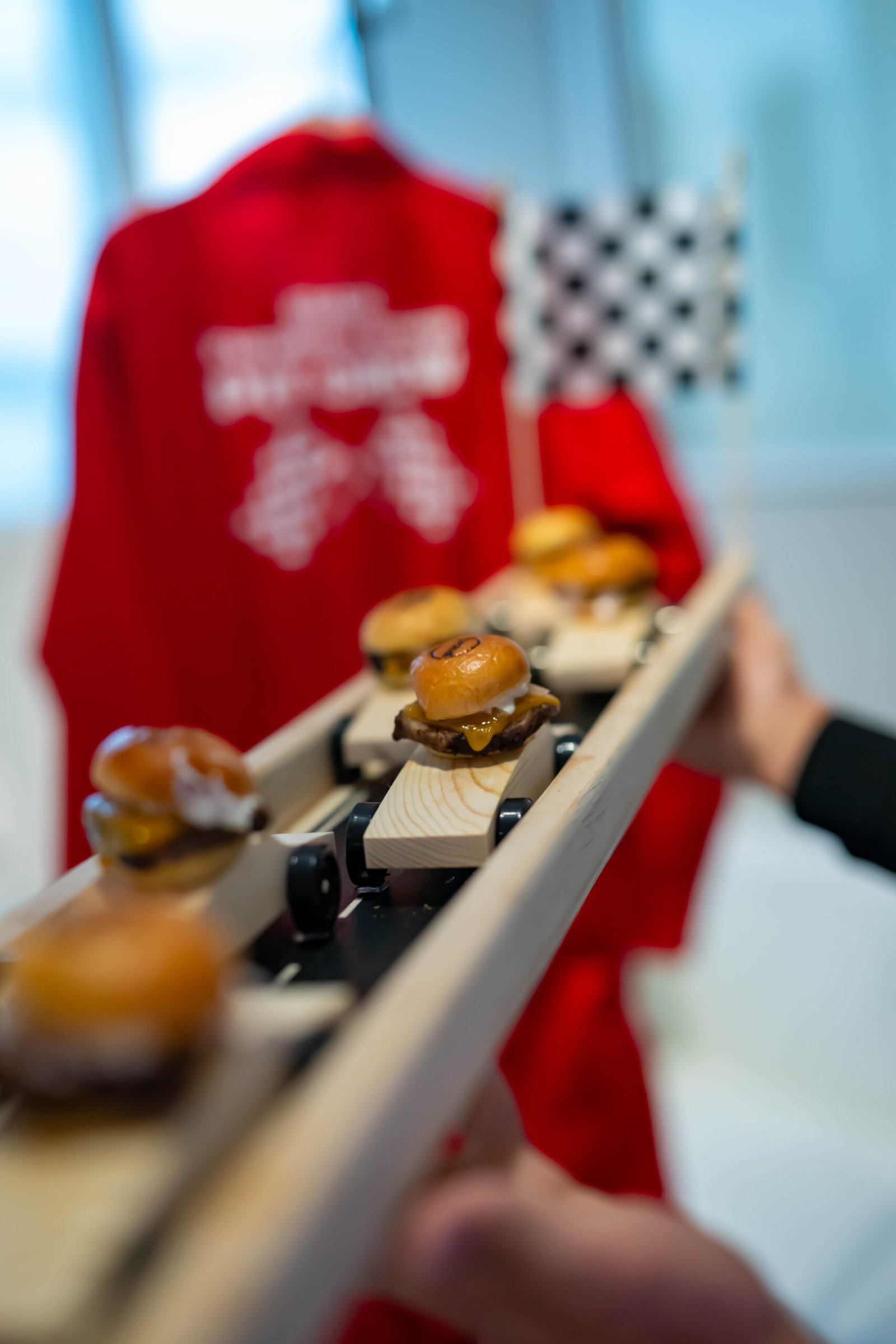
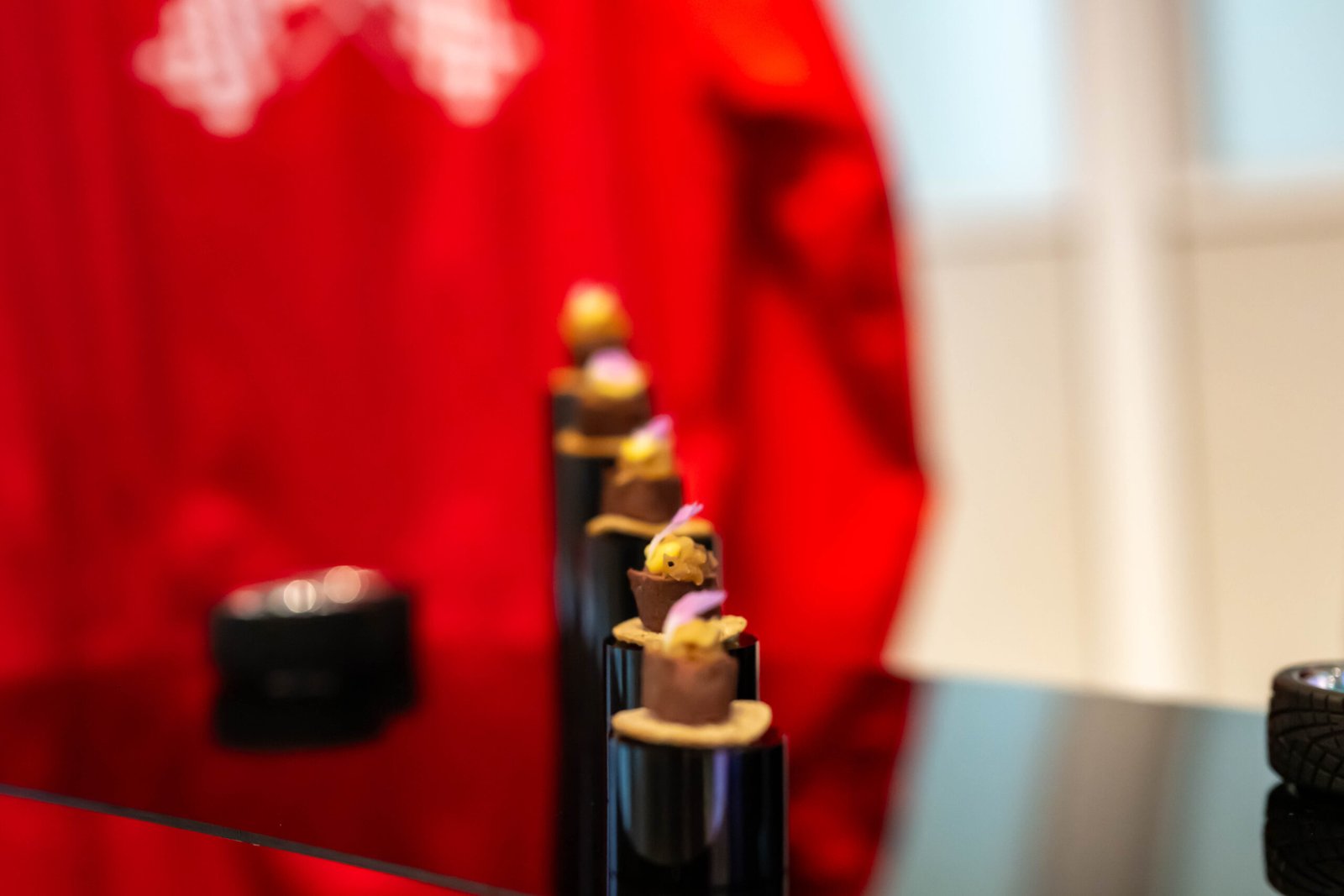
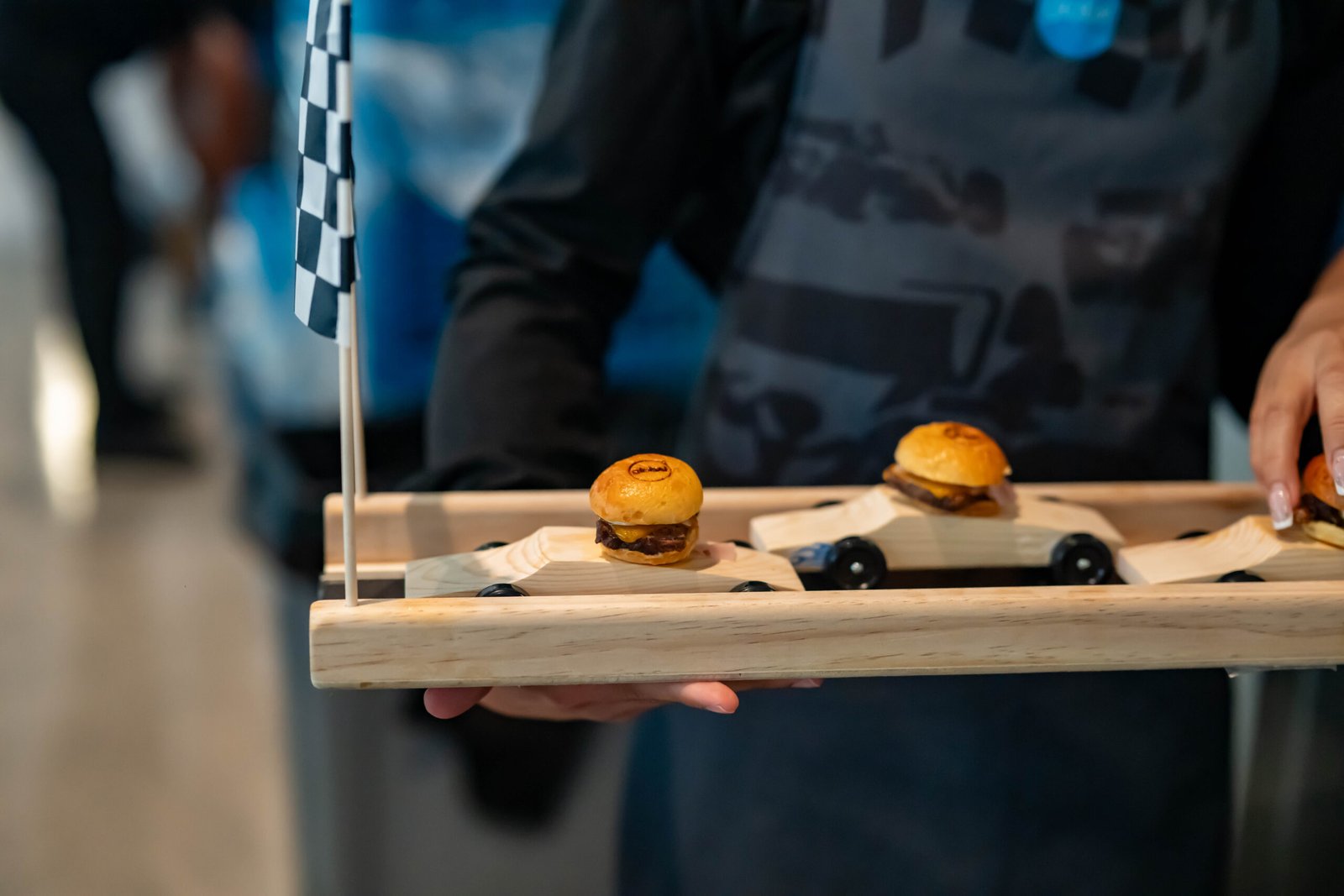
Miami has hosted moments like this before — Art Basel, Formula 1, the Super Bowl — and the pattern is consistent. The brands that use those moments to create something genuinely elevated walk away with relationships that outlast the event. The ones that show up with a rented space and a standard catering package walk away with photos. Essence Caterers has been part of that equation for years, working alongside brands and organizers during Art Basel and Formula 1 Miami to deliver hospitality that holds up against the standard the city sets during its biggest moments. Those events taught us something that applies directly here: the guests at a global event are not a generic audience. They are some of the most well-traveled, discerning people in the world, and they notice everything — the temperature of the room, the precision of the service, whether the food was designed for the occasion or simply adequate for the budget. The World Cup concentrates all of that, for seven matches, across five weeks.
The world is coming to Miami this summer. If you’re planning a client program, a private reception, or a multi-day hospitality strategy around the tournament, the time to get the details right is now — not after the match schedule fills up the calendar. Reach out to the Essence team, and we’ll build something worth remembering.